(+86) 19121971501

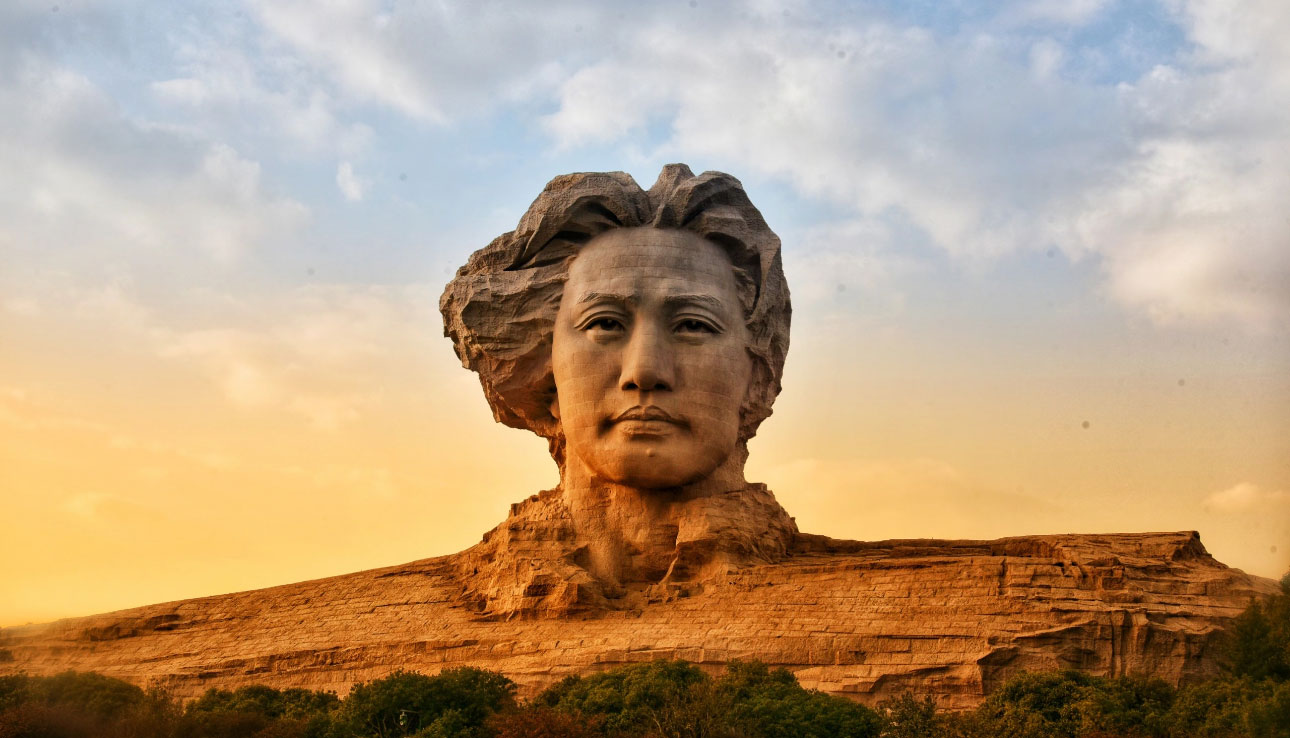
Changsha, an ancient city with over 3,000 years of history, is a dynamic hub where culture and modernity intertwine along the Xiang River. Here, the rich legacy of Chu-Han culture meets a bustling modern metropolis, and fiery cuisine blends seamlessly with joyful local traditions—making it the perfect destination to experience Hunan’s culture and culinary delights.
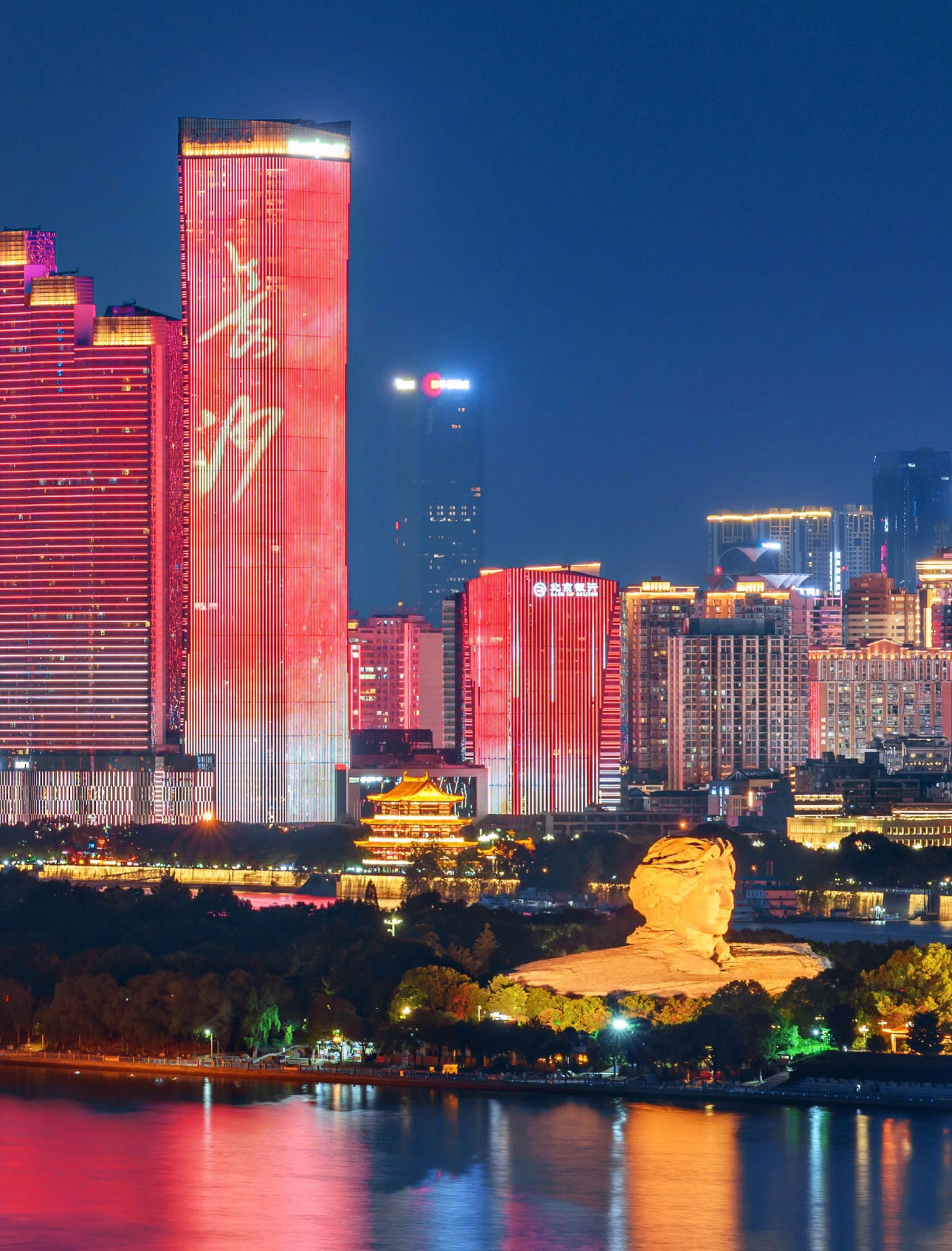
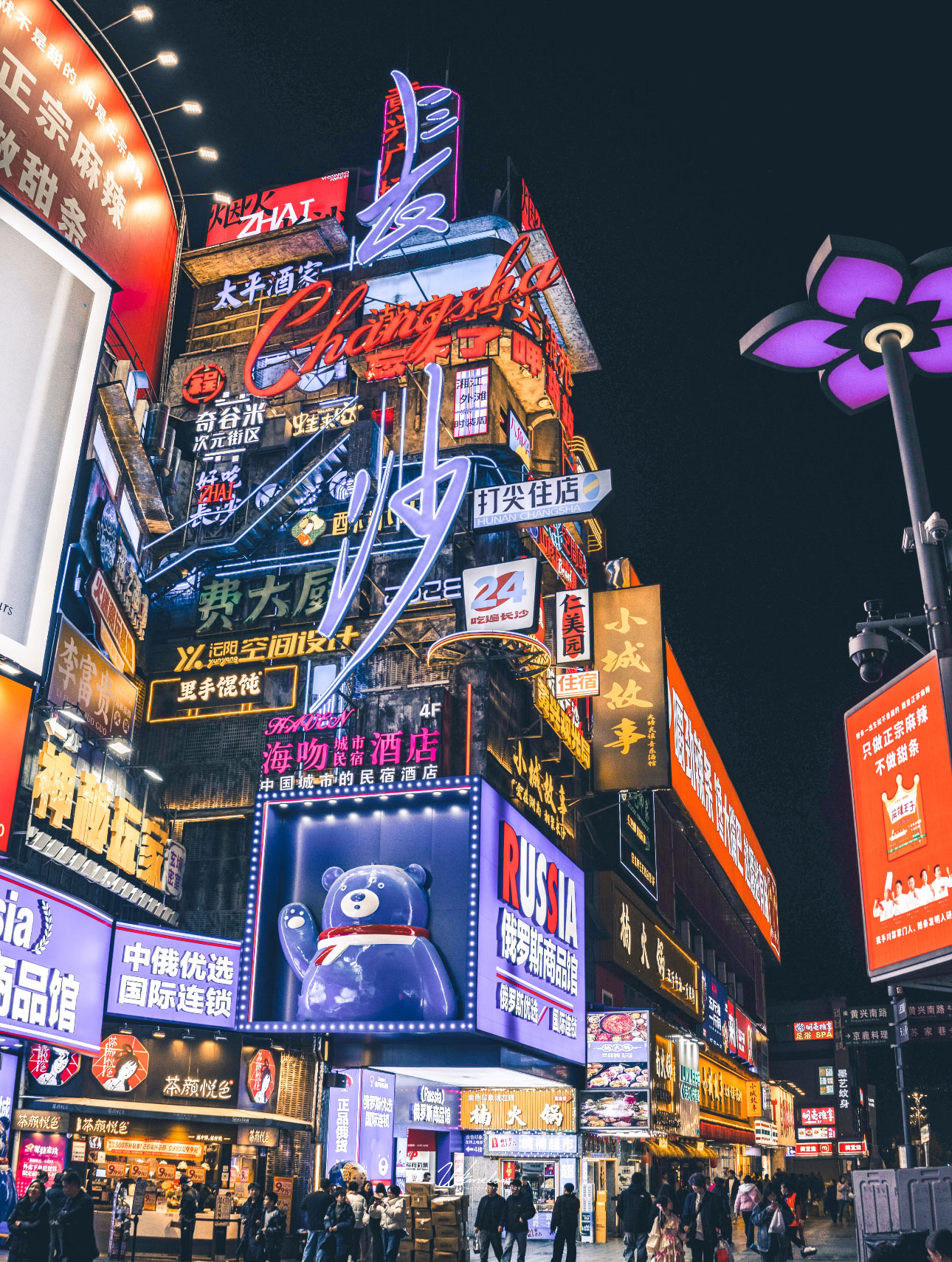
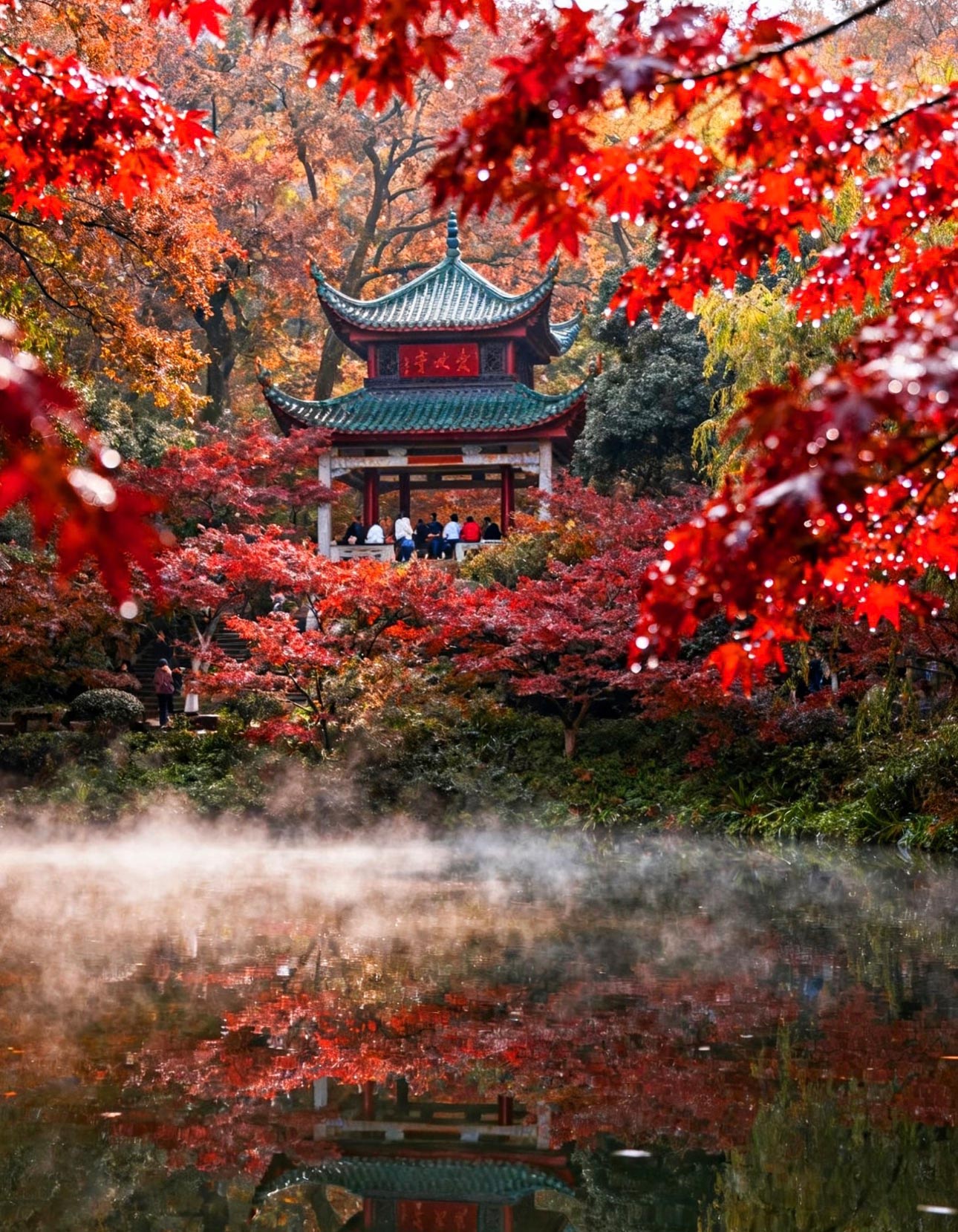
Changsha has witnessed the splendor of Chu culture. Landmarks such as Yuelu Academy, Tianxin Pavilion, and Orange Isle carry profound historical and cultural significance. As a key site in modern Chinese revolutionary history, Changsha also resonates with red cultural heritage, recording a passionate era of transformation.
At the heart of Huxiang culture, the city embodies the spirit of “practicality and innovation.” Yuelu Academy, one of China’s four great academies, was a center for Neo-Confucian learning in the Southern Song Dynasty and remains a cherished cultural landmark today.
Changsha’s arts scene is vibrant: the passionate melodies of Xiang opera reflect the city’s spirited character; local storytelling in dialect adds a rich, authentic flavor; and events like the fireworks show at Orange Isle and performances at Meixi Lake International Culture & Arts Center bring tradition and modernity together. The people here love to read, think, and express their enthusiasm for life, creating a distinctive cultural aura.
Changsha cuisine is famous nationwide for its bold flavors and variety:
• Changsha Rice Noodles: A “morning ritual” for locals, with silky flat noodles, chewy round noodles, and a variety of toppings—beef, minced pork, and more—finished with a spoonful of chili for a fragrant, invigorating start to the day.
• Stinky Tofu: Crispy outside, tender inside, topped with garlic, chili, and coriander. The Huogong Palace version is legendary, a classic taste of Changsha’s street food scene.
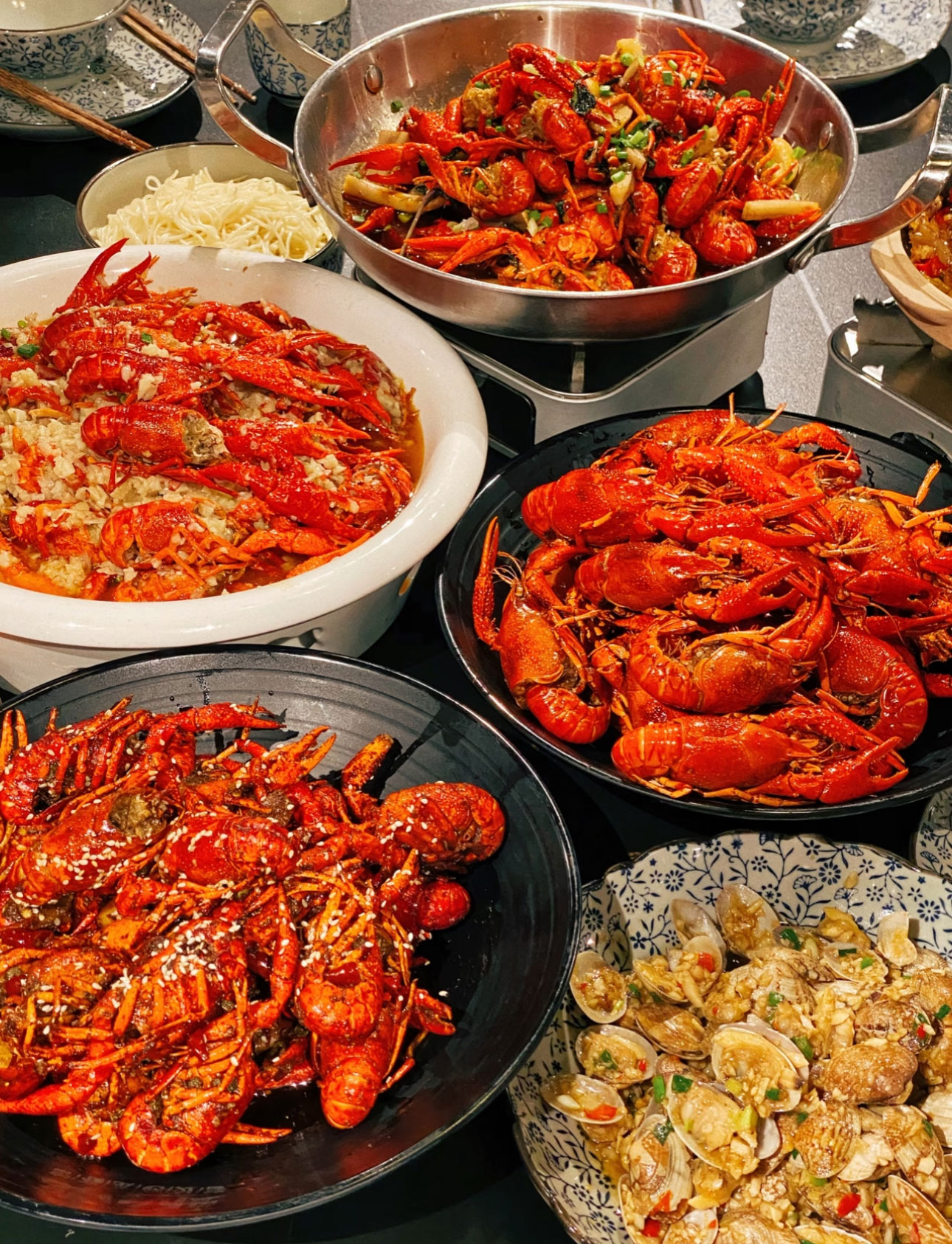
• Spicy Crayfish: A summer-night favorite, crayfish braised with chili, perilla, and beer, tender and flavorful, best enjoyed with a cold beer—a quintessential night market treat.
• Steamed Fish Head with Chopped Chili: A Xiang cuisine classic, with fish head topped with bright red chopped chili, steamed to perfection, spicy yet irresistible.
• Sweet Glutinous Rice Balls (Tang You Ba Ba): A common street dessert, crispy outside and chewy inside, drizzled with syrup, perfectly sweet without being cloying.
Changsha’s customs are as bold as its chili and as flowing as the Xiang River. During Lunar New Year, visitors flock to Kaifu Temple for blessings; lantern riddles fill Pozi Street at the Lantern Festival; and the Dragon Boat Race along the Xiang River on Duanwu Festival reverberates with cheers, reflecting local resilience and community spirit.
Locals are warm and lively. Morning noodle shops draw long lines, with elderly residents slurping noodles from enamel bowls on street corners. Public squares see energetic dancing, and bars along Hualongchi and Taiping Street buzz with youthful energy. Changsha’s folk culture is found in these everyday moments of joy and camaraderie.
• Yuelu Mountain & Yuelu Academy: The city’s “green lung,” with lush forests and historic sites. From the top of Yunlu Palace, visitors can enjoy panoramic views of Changsha and the Xiang River.
• Orange Isle: A city landmark in the middle of the Xiang River, featuring Mao Zedong’s Youth Art Statue, with sweeping river views.
• Taiping Street & Pozi Street: Well-preserved ancient streets with cobblestone paths and brick-wood buildings from the late Qing and early Republican era, including Jia Yi’s former residence.
• Hunan Provincial Museum: Home to the “world miracle” of Mawangdui Han tomb artifacts, including the millennia-old Lady Dai, silk manuscripts, and lacquerware vividly depicting Han Dynasty life.
• Tianxin Pavilion: Overlooking the city, offering a glimpse of Changsha’s blend of classical and modern landscapes.
• Wuyi Square: The city’s commercial hub, bustling with skyscrapers and traffic.
• Huogong Palace: A “living fossil” of local folk culture, both a temple and a food hub, essential for experiencing Changsha’s street-life spirit.
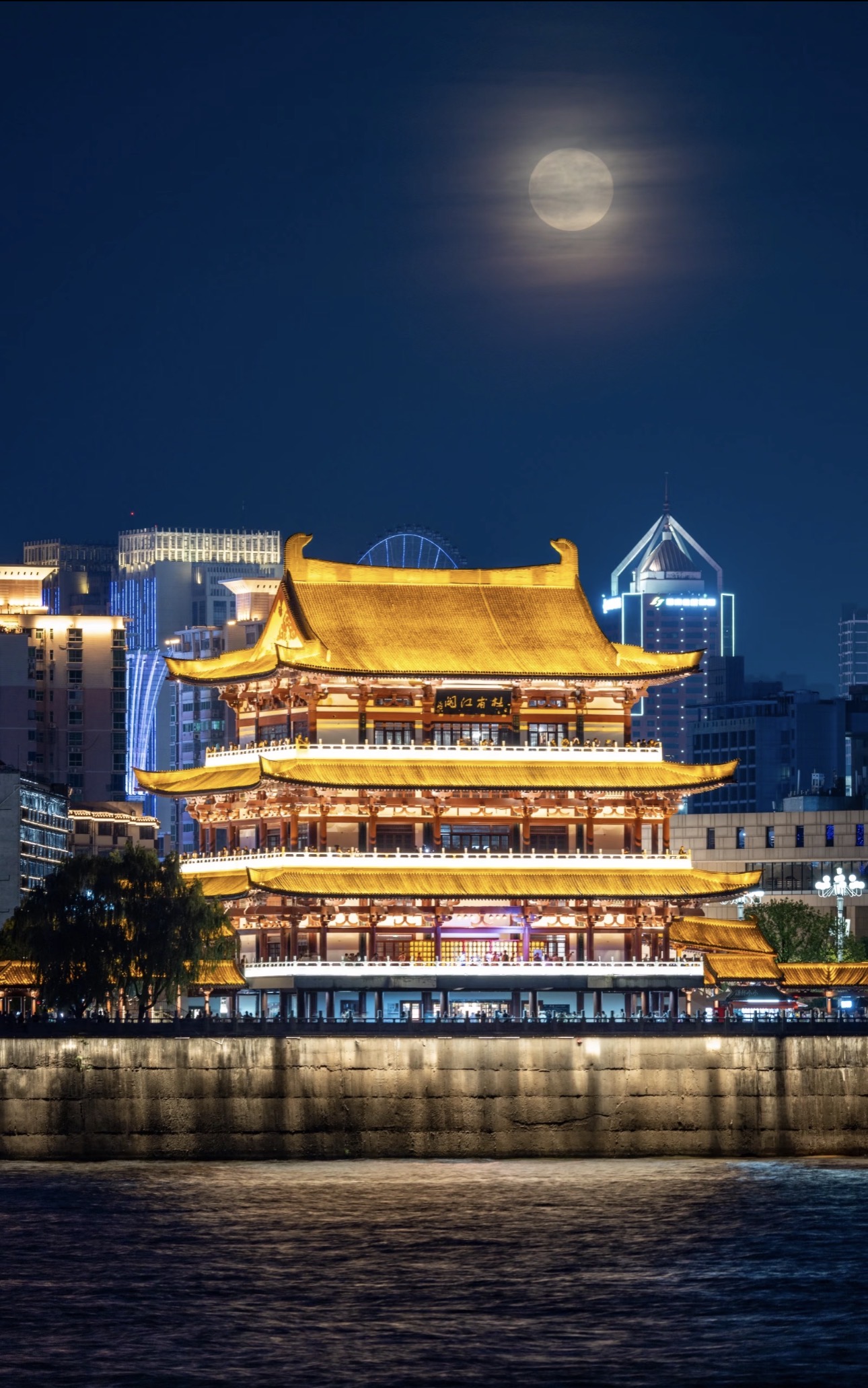
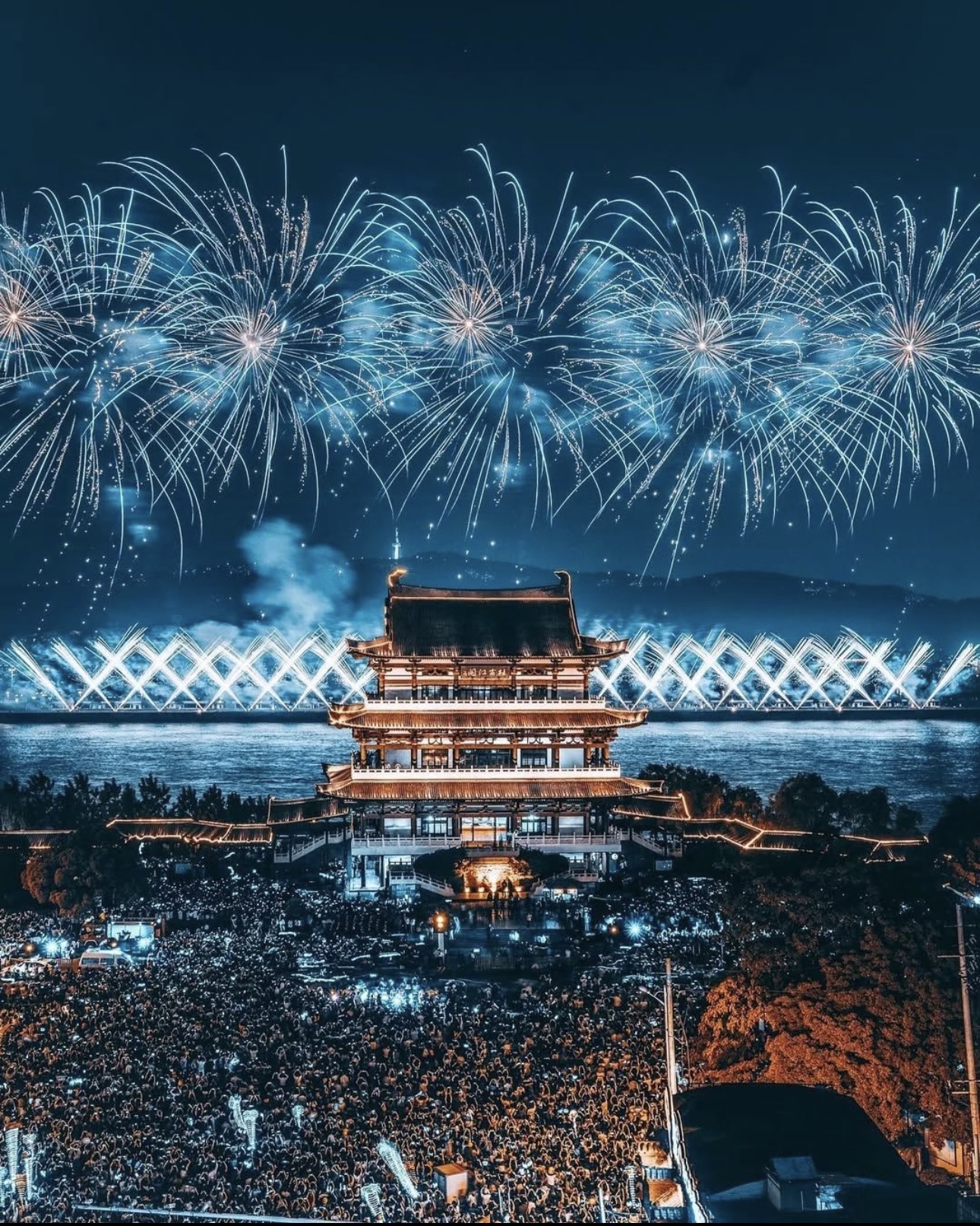
Changsha is a city that shines brighter at night. By day, it offers the tranquility of Yuelu Academy and the openness of Orange Isle; by night, it comes alive with street food aromas along Pozi Street, neon bars on Jiefangxi Road, and reflections of city lights on the Xiang River.
The city combines historical depth with modern vitality. The Xiang River winds through, old streets exude everyday charm, and local culture and warmth fuse perfectly in this lively Hunan jewel.
Curious where your China journey could take you? Start here and tell us what you’re dreaming of.
SIGN UP