(+86) 19121971501

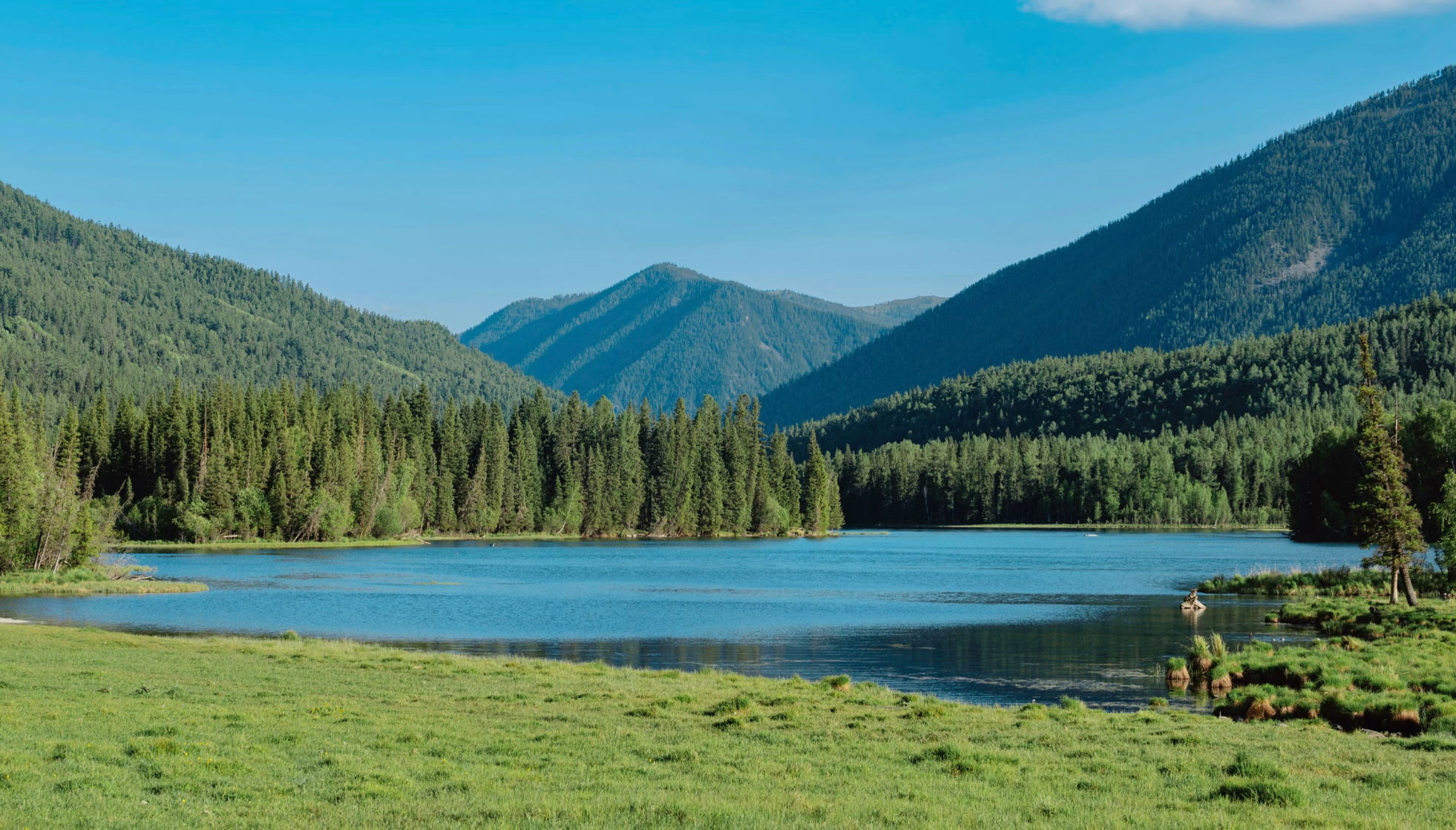
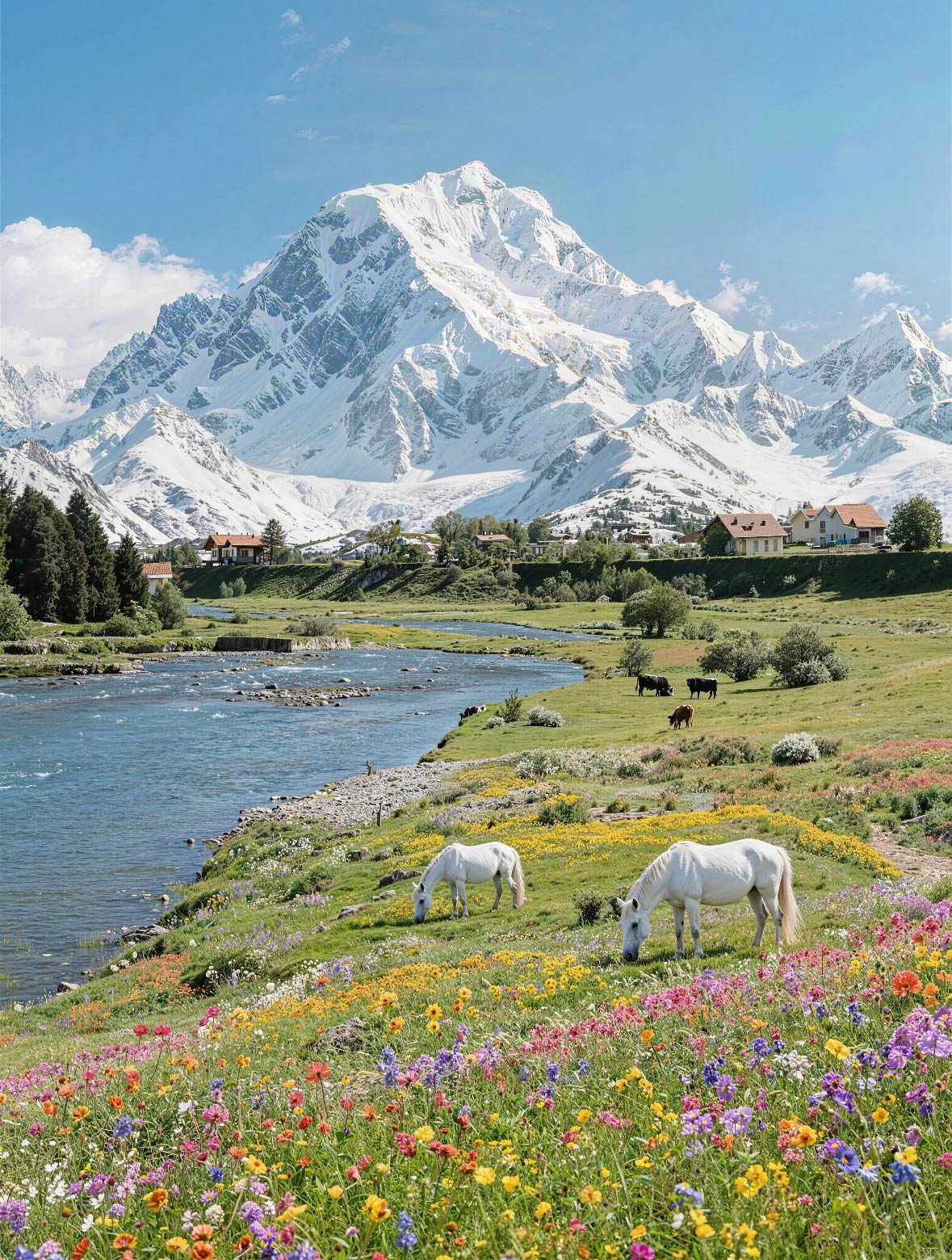
In the vast expanse of northwestern China, Xinjiang unfolds like a magnificent scroll — where snow-capped mountains meet golden deserts, where boundless grasslands embrace crystal lakes, and where diverse cultures flourish side by side. Every inch of this land bears the imprint of millennia, etched deep by history and shaped by the Silk Road.
Step into Xinjiang, and you will be awed by its vastness, touched by its warmth, and enchanted by its unique charm of the Western Regions. Once a vital crossroads of the ancient Silk Road, Xinjiang is today a living tapestry of cultures, landscapes, and flavors awaiting discovery.
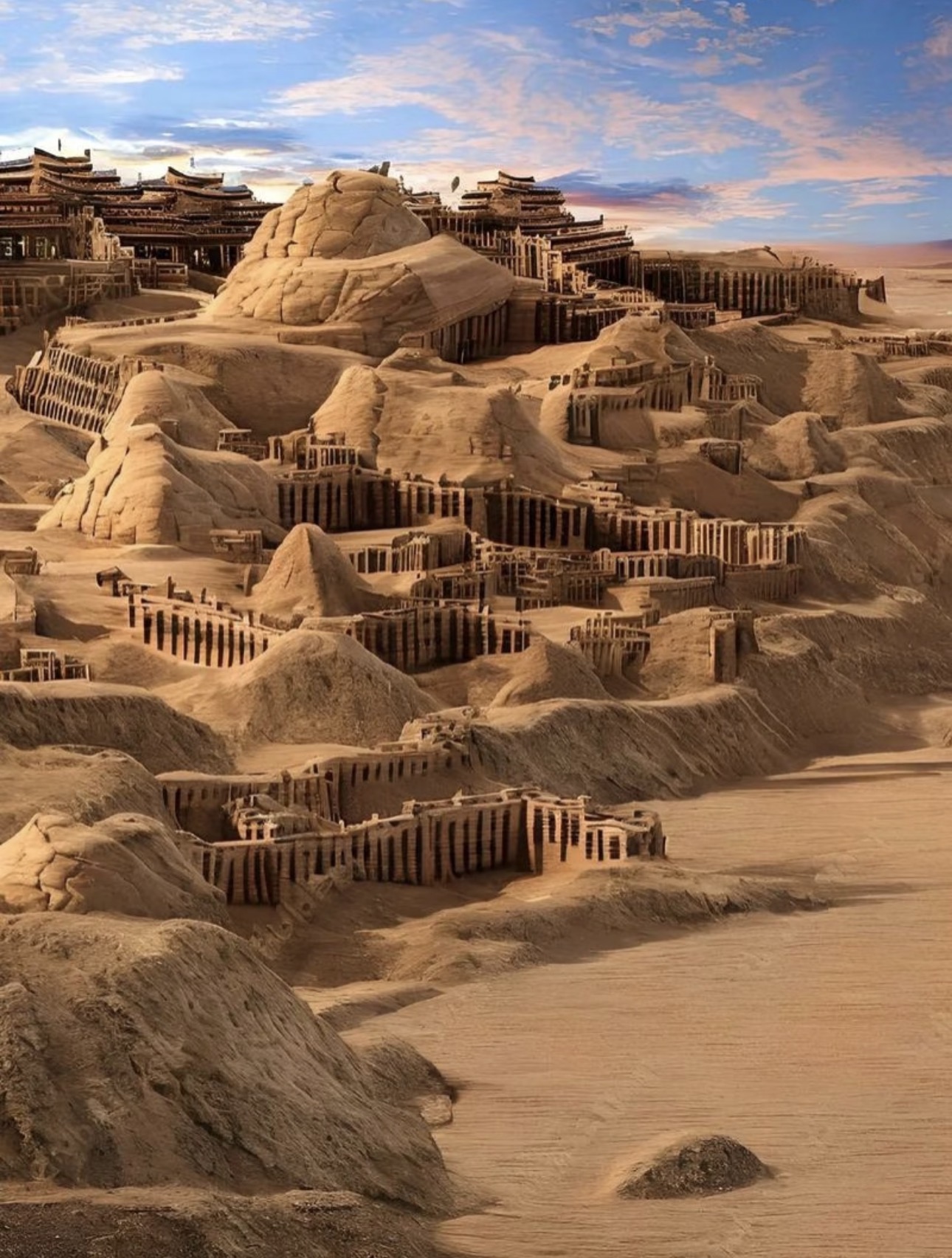
As the heart of the ancient Silk Road, Xinjiang is home to legendary civilizations and timeless cultural treasures. From the mysterious kingdom of Loulan to the thriving hubs of Turpan and Kashgar, this region has long been a meeting point of trade and ideas.
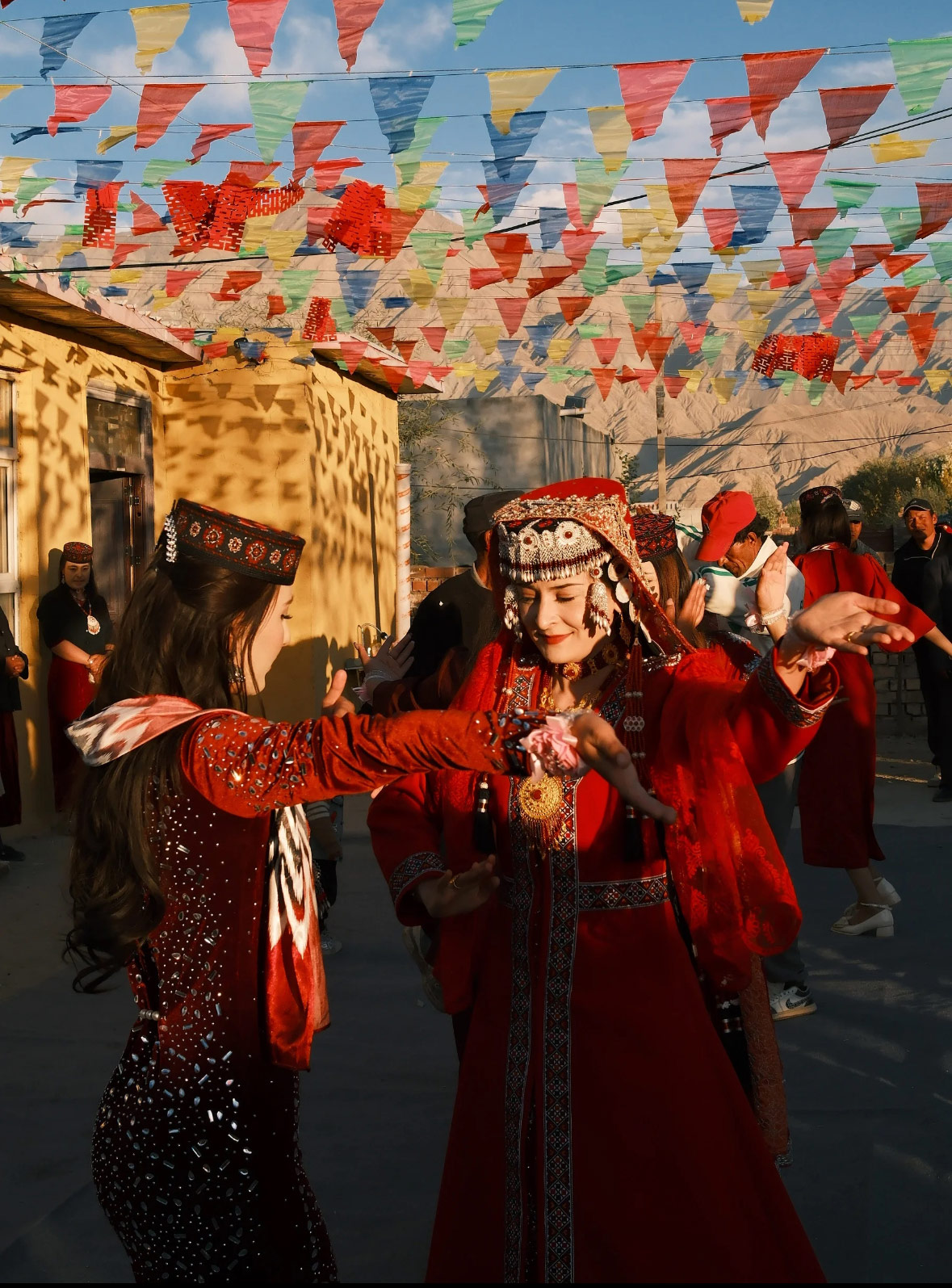
Here, 56 ethnic groups live in harmony — Uygur, Han, Kazakh, Hui, Kyrgyz, and many more, each contributing to Xinjiang’s radiant cultural mosaic.
• The Uygur Muqam is known as the ‘Pearl of Oriental Music,’ blending song, dance, and poetry in a celebration of life.
• The Kazakh akyns sing epic ballads to the strum of the dombra, praising the vast steppe.
• The Kyrgyz Manas Epic, the world’s longest heroic epic, continues to be passed down through generations, echoing with the spirit of the grasslands.
Xinjiang’s folk life is vibrant and colorful, its festivals and traditions brimming with joy and artistry:
• Nowruz Festival: A joyous Uygur celebration that fills villages with music, dance, and laughter.
• Horsemanship & Eagle Hunting: Kazakh traditions showcasing the strength and freedom of the steppe.
• Ethnic Crafts: From embroidery and carpet weaving to leatherwork, each piece carries the heart and skill of artisans.
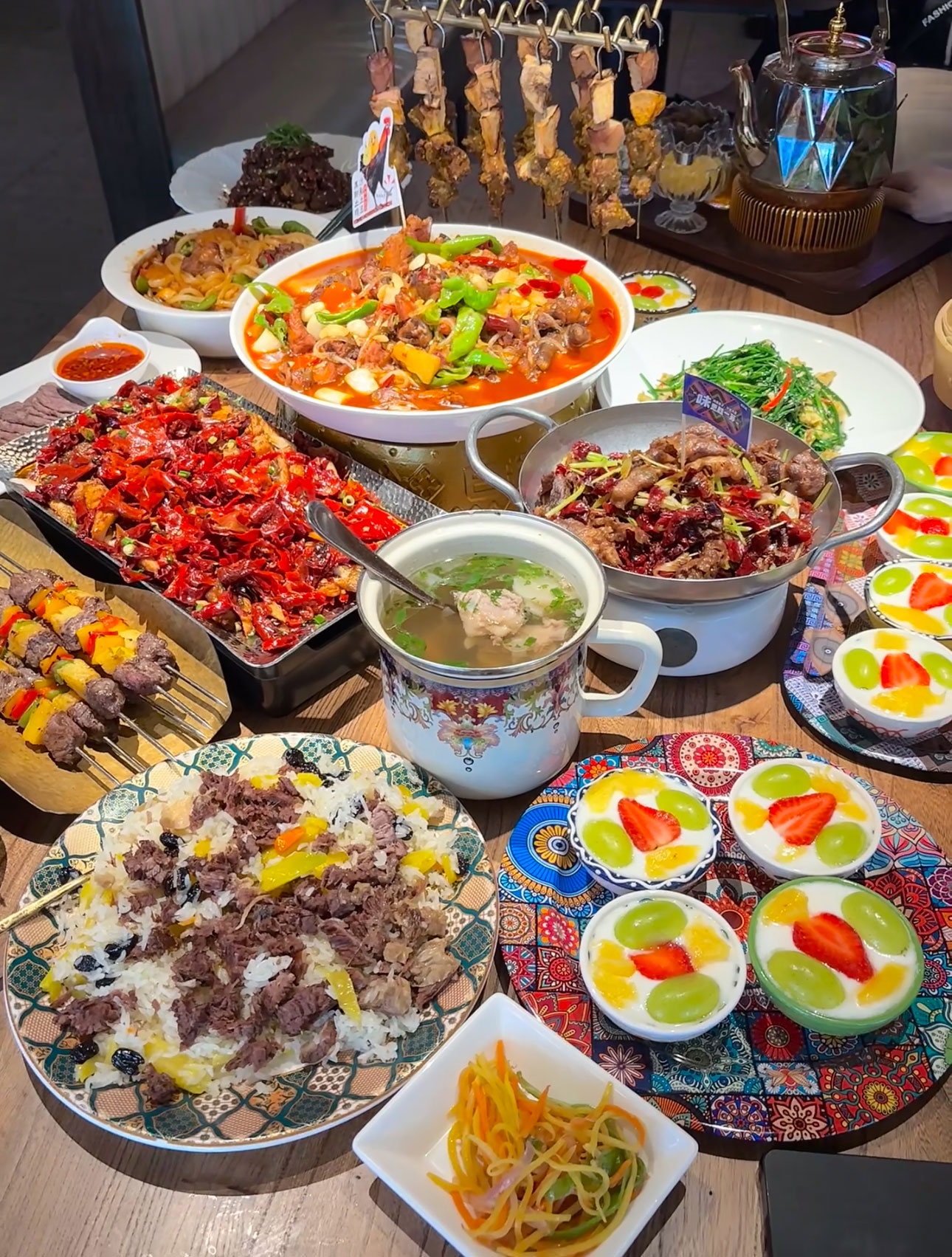
Xinjiang’s cuisine reflects its history of trade and exchange, blending Central Asian spices with local traditions, with lamb at its heart:
• Hand-Pulled Lamb: Tender cuts of young lamb, simple yet unforgettable.
• Roast Whole Lamb: A grand feast, its golden-crisp skin and juicy meat paired with onions to enhance the flavor.
• Big Plate Chicken: Stewed chicken with potatoes and peppers in a rich broth, served with wide belt noodles that soak up the sauce.
• Pilaf (Polo): Fragrant rice simmered with lamb, carrots, and raisins — a hearty staple beloved by locals.
• Samsa & Naan Bread: Crispy baked buns filled with minced lamb and onion, alongside hand-patted flatbreads baked in tandoors.
• Fruits of the Oasis: Grapes of Turpan, melons of Hami, pears of Korla, and pomegranates of Yecheng — nature’s sweetest treasures born from abundant sunshine.
• Heavenly Lake of Tianshan: Known as the ‘Jade Pool,’ this alpine lake reflects snow peaks and is framed by dense spruce forests, offering serenity in summer and wonder in winter.
• Kanas Lake: A mystical alpine lake in the Altai Mountains, famed as the ‘Color-Changing Lake.’ Its waters shift hues with the seasons, and legends of lake creatures add an air of mystery. From the Fish-Watching Pavilion, panoramic views reveal a dreamscape of snow peaks, forests, and meadows.
• Korla Pear Orchards: Homeland of China’s sweetest pears, crisp and dripping with nectar.
• Nalati Grasslands: One of the world’s four great river valley pastures, blanketed with wildflowers in summer and dotted with yurts. Ride horseback across endless meadows and listen to the wind rustle through the pines.
• Sayram Lake: The highest alpine lake in Xinjiang, shimmering blue and called ‘the last tear of the Atlantic.’ Its wildflower meadows and snowy backdrop make it a photographer’s paradise.
• Kashgar Old Town: China’s only preserved labyrinthine ancient city, with mud-brick houses, artisan workshops, and century-old teahouses. Here, mornings begin with steaming samsa from street ovens, and evenings glow with music and dance at the square — a living echo of the Silk Road.
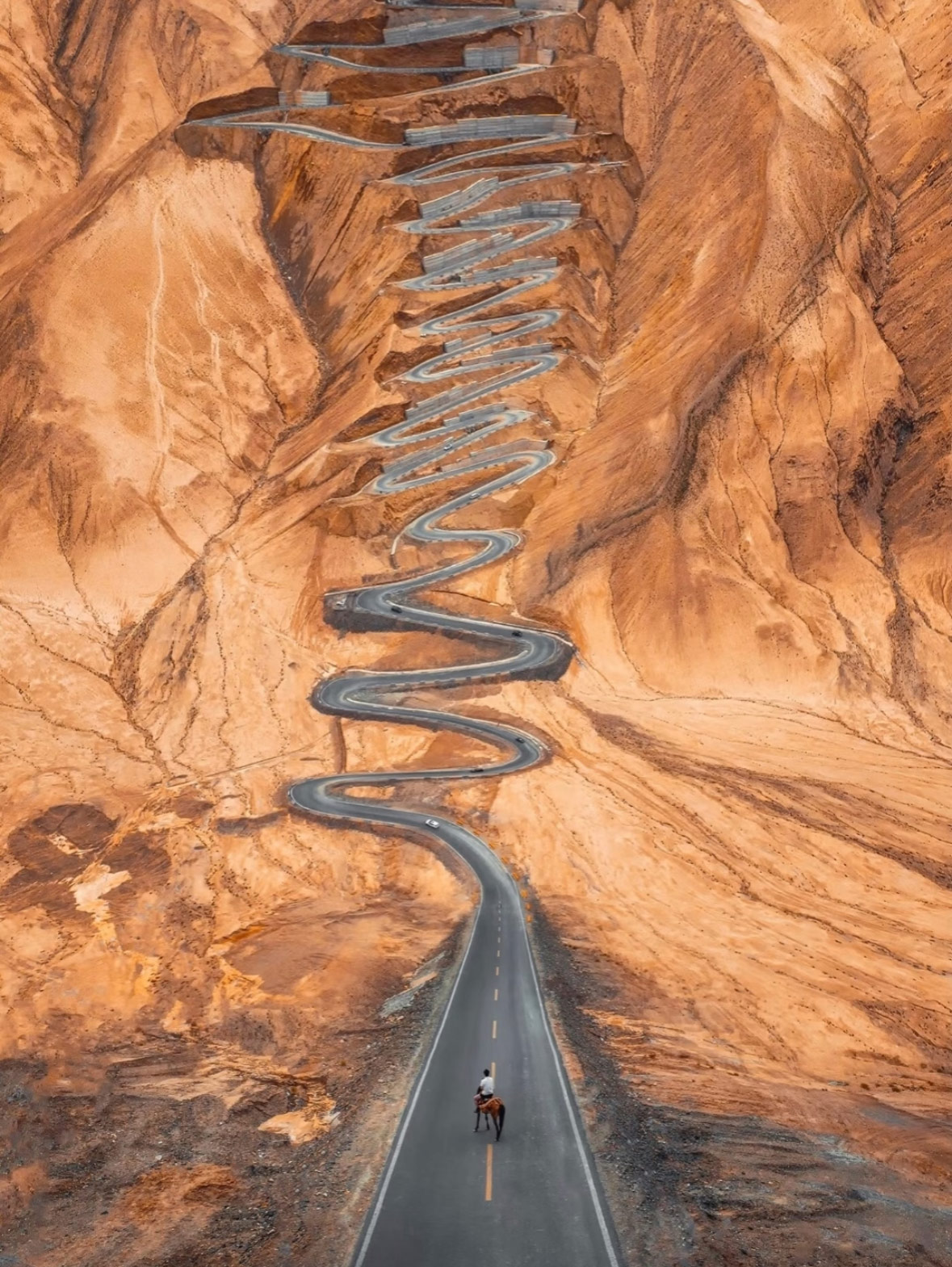
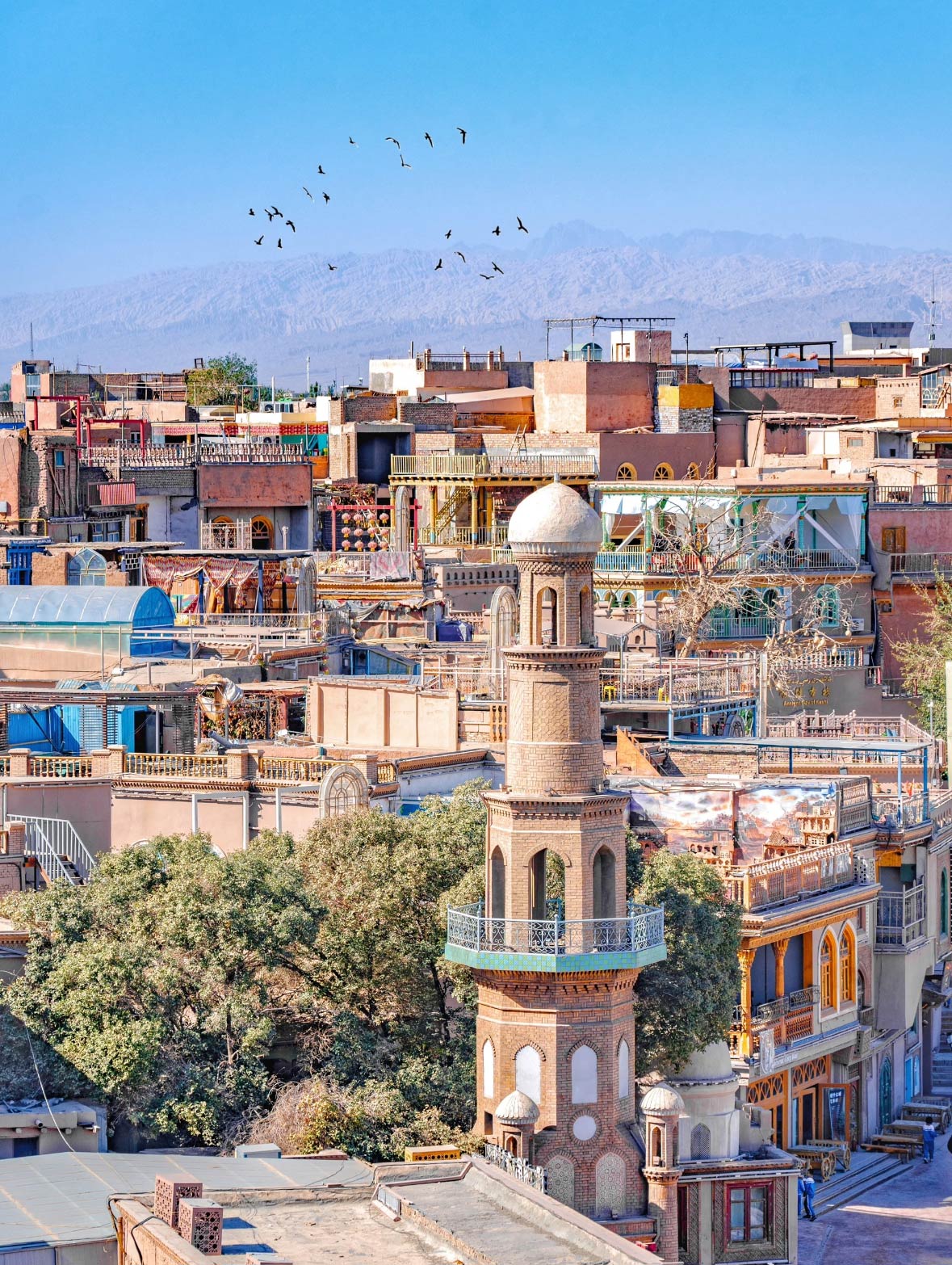
Xinjiang’s cities are a blend of the ancient and the modern. In Urumqi, the exotic charm of the Grand Bazaar contrasts with gleaming skyscrapers. Kashgar retains its centuries-old street grid, where old teahouses stand alongside lively new districts. Yining’s Six-Star Street hums with accordion music and café aromas, creating a bohemian atmosphere.
Life here is unhurried: mornings filled with the aroma of fresh-baked samsa, afternoons with the sound of the dutar in shaded parks, and evenings where people gather for lively Meshrep dances in public squares. The magic of Xinjiang lies in this seamless fusion of history, nature, and human warmth.
Curious where your China journey could take you? Start here and tell us what you’re dreaming of.
SIGN UP