(+86) 19121971501

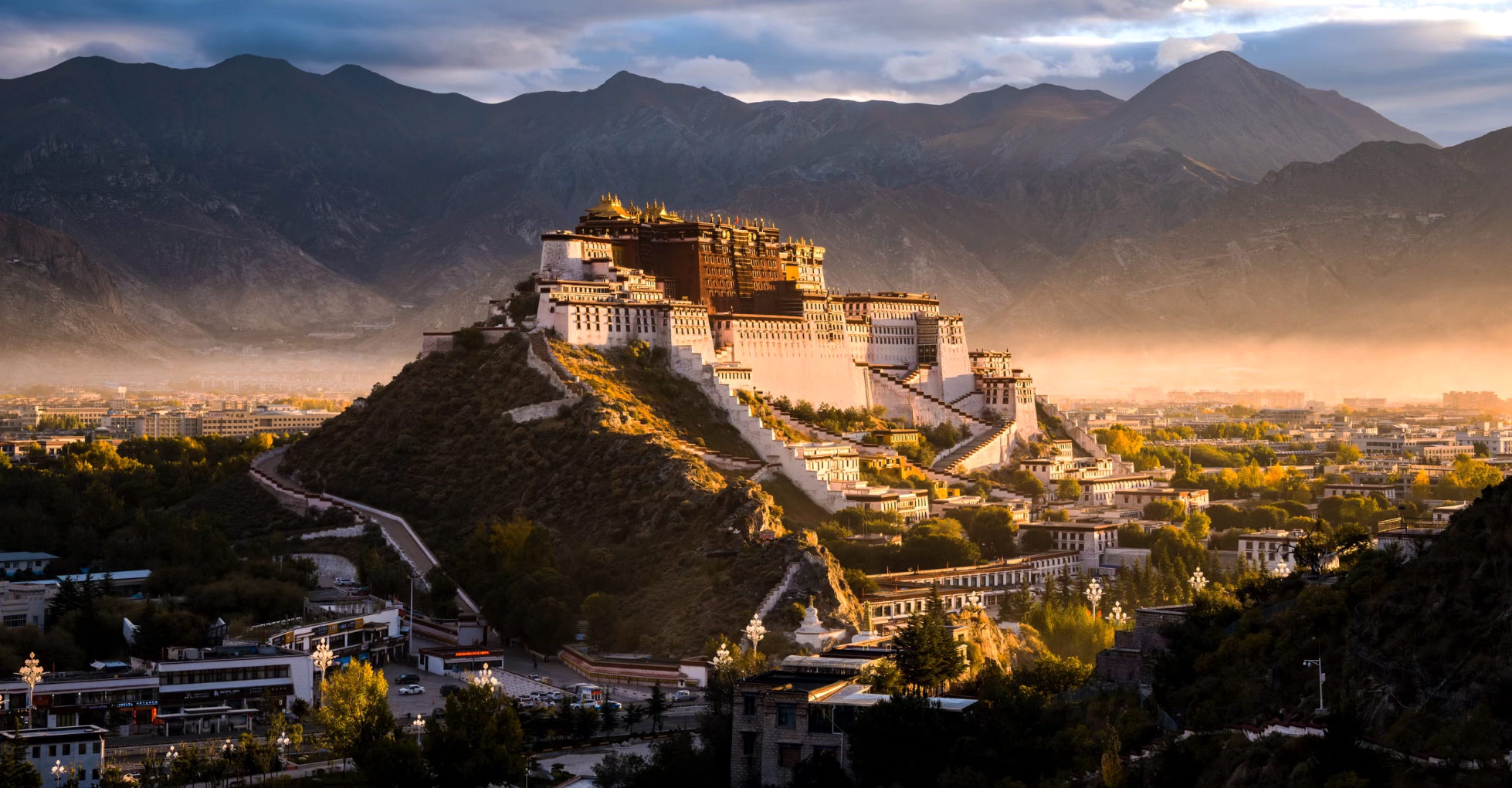
Tibet — a mysterious land on the Roof of the World. It is the sacred heart of Tibetan Buddhism, a realm where natural wonders meet ancient civilization. Pure and awe-inspiring, Tibet is the closest place to the sky: every snow-capped peak carries timeless legends, every vast meadow resounds with songs of the past. With its majestic mountains, sapphire lakes, and the power of devotion, Tibet has become a lifelong dream for countless travelers. Step into this holy land, and you will be shaken by its grandeur, moved by its faith, and find your truest self in its purity and serenity.
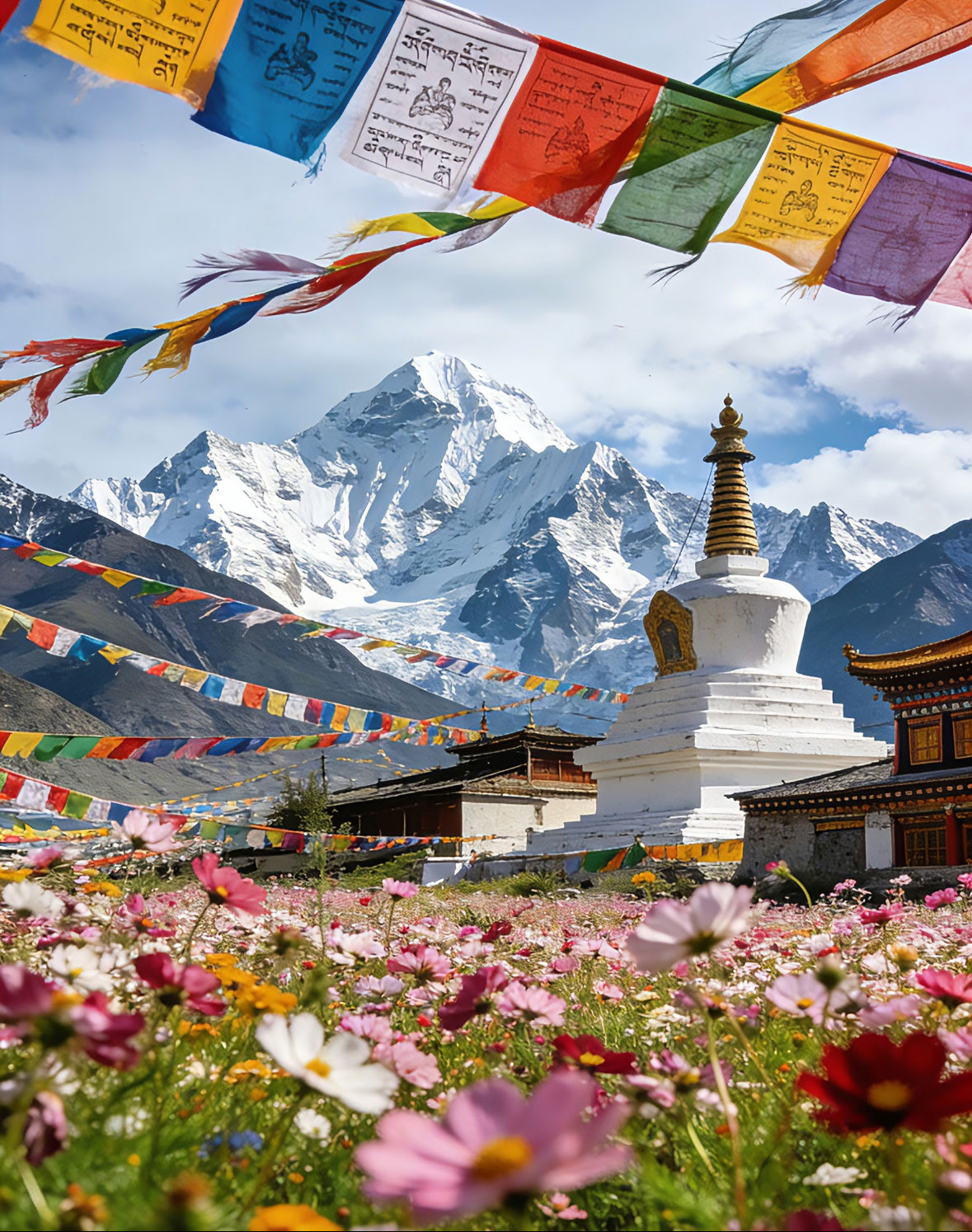
The history of Tibet is an epic of coexistence with nature and devotion to faith. As early as the Neolithic Age, traces of ancient life were left on the plateau. In the 7th century, Songtsen Gampo unified Tibet, established the Tubo Kingdom, and created the Tibetan script.
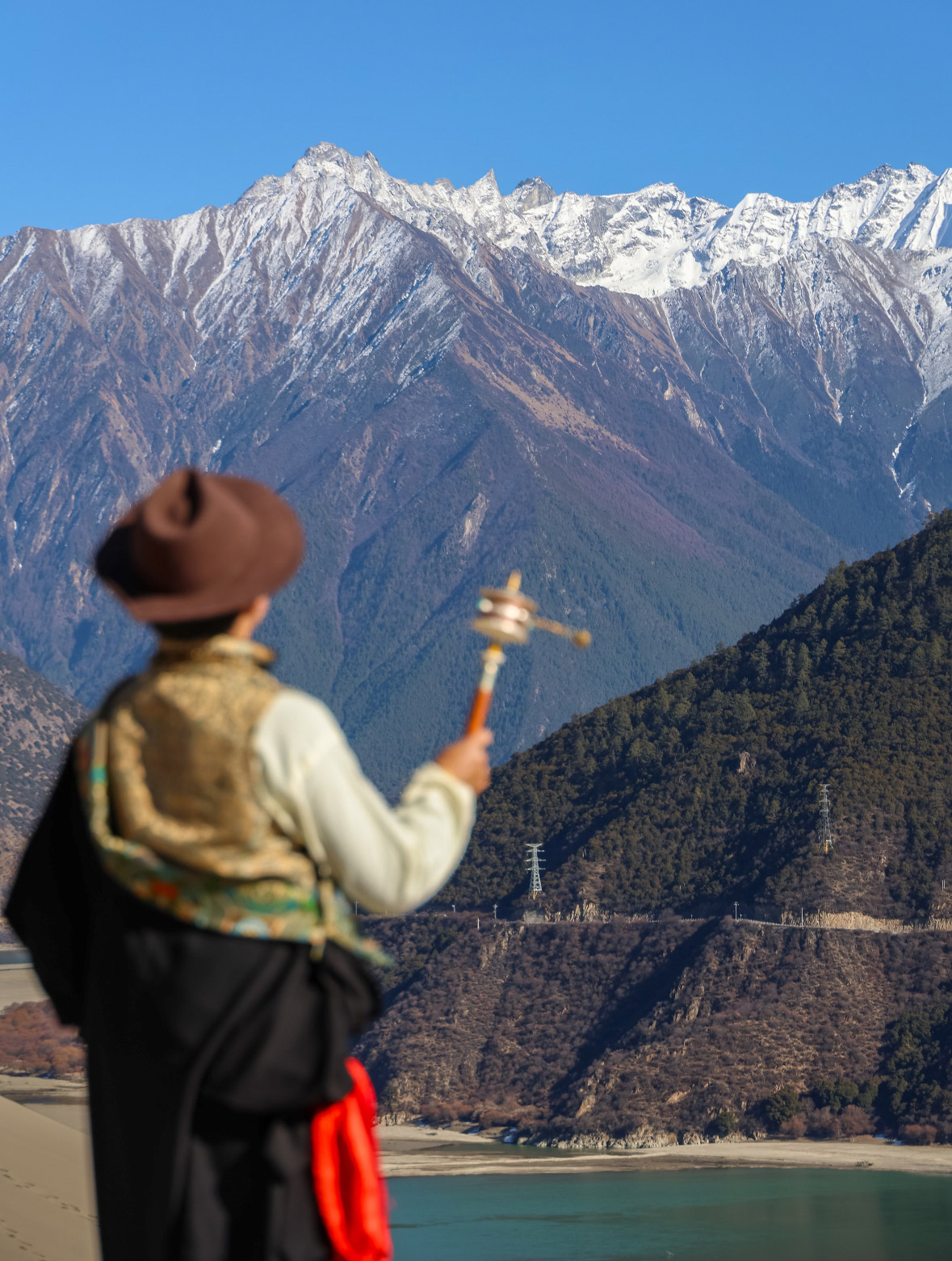
Here, reverence for nature and devotion to faith intertwine. Pilgrims spin prayer wheels and chant mantras as they circle sacred mountains and lakes. Monks chant scriptures in golden halls lit by butter lamps, their faces serene with concentration. Tibetan culture is the perfect fusion of belief and life — pure, profound, and timeless.
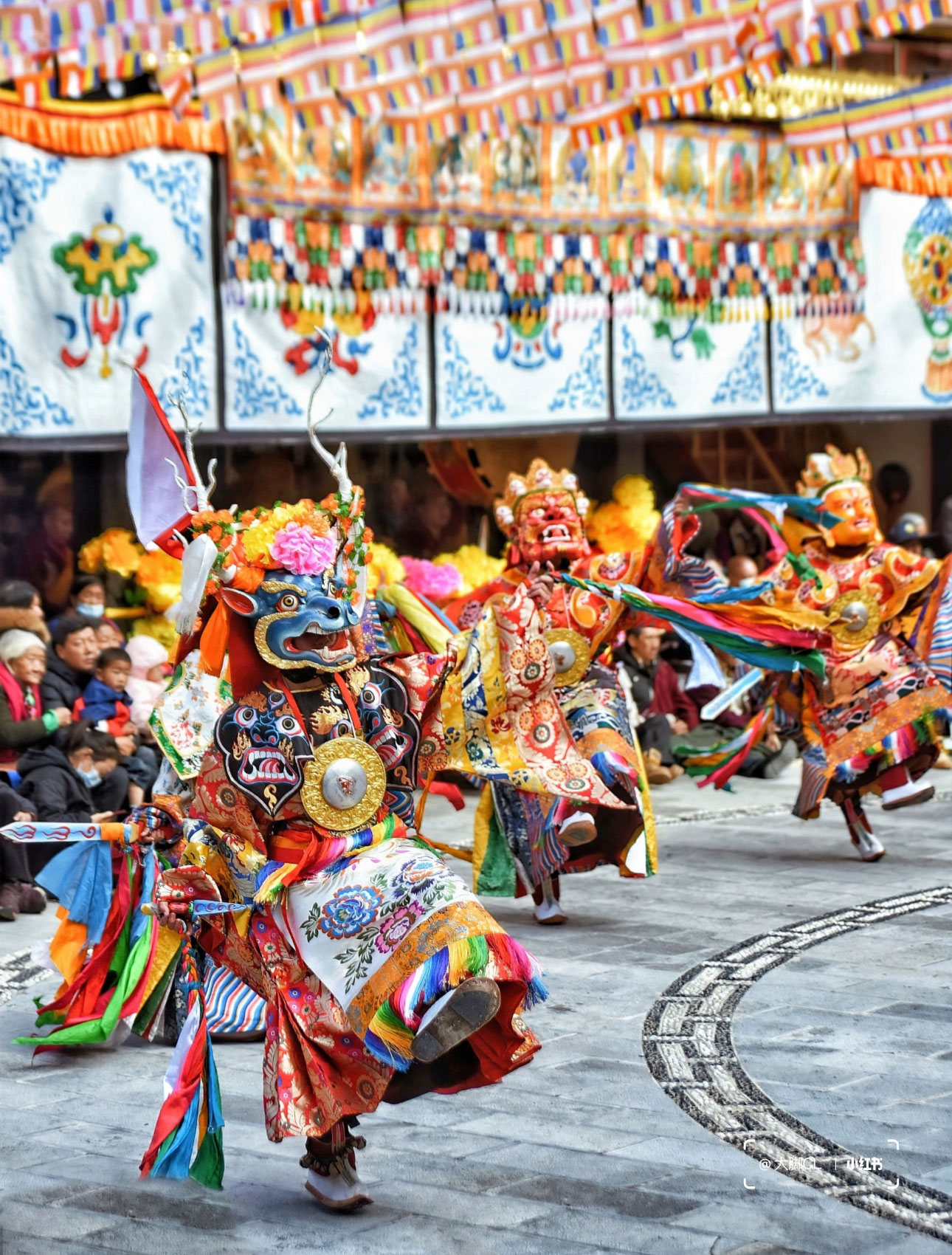
Tibetan festivals and customs are vibrant, embodying the people’s warmth and devotion:
• Losar (Tibetan New Year): Families pray for blessings, dress in traditional finery, and gather with song, dance, and barley wine.
• Shoton Festival (Yogurt Festival): A grand unveiling of giant Buddha thangkas at Drepung Monastery, a breathtaking scene of devotion.
• Nadam Fair: Equestrian competitions, archery, and wrestling showcase the courage and strength of the Tibetan people.
• Pilgrimage & Circumambulation: Faithful devotees walk around temples and sacred mountains, spinning prayer wheels in reverence.
• Tibetan Handicrafts: Thangka painting, Tibetan knives, and handwoven carpets embody centuries of craftsmanship and artistry.
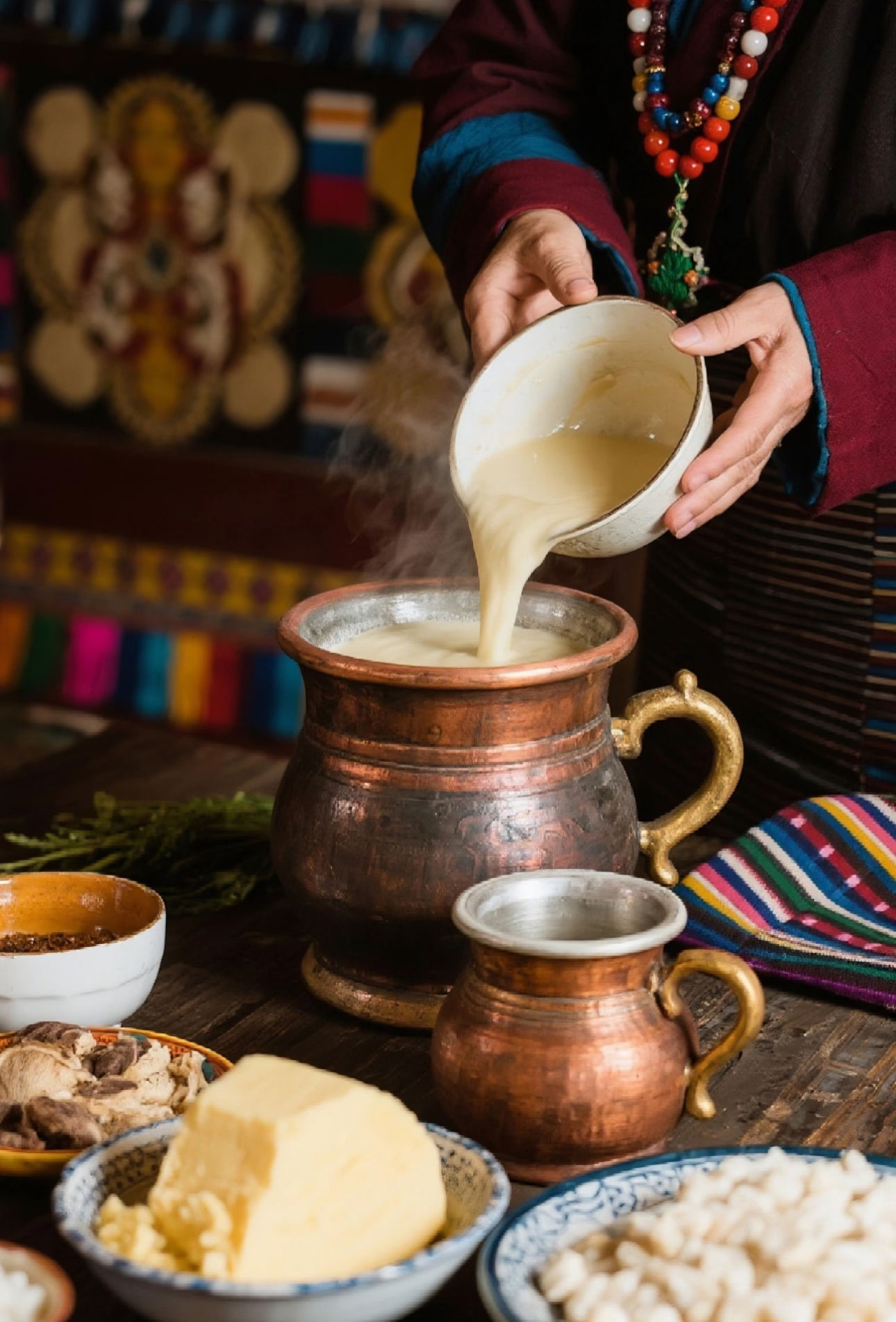
Simple yet rich, Tibetan cuisine reflects the plateau’s unique environment:
• Tsampa: Roasted barley flour mixed with butter tea or barley wine, hearty and nourishing, the staple of Tibetan life.
• Butter Tea: A daily drink made with tea, yak butter, and salt — savory, warming, and a remedy against the high-altitude chill.
• Yak Jerky & Yogurt: Lean, flavorful yak meat and rich dairy, reflecting the essence of life on the plateau.
• Tibetan Noodles: Wheat noodles served in bone broth with yak meat and chili — comforting and hearty, a common street food.
• Barley Wine (Chang): A lightly sweet, low-alcohol drink brewed from barley, shared among friends and family during festivals, symbolizing blessings and joy.
• Potala Palace: A UNESCO World Heritage Site and the world’s highest palace complex. Its white and red palaces shimmer under the sun, while inside lie invaluable murals, relics, and sacred statues. From its heights, all of Lhasa unfolds below, solemn and magnificent.
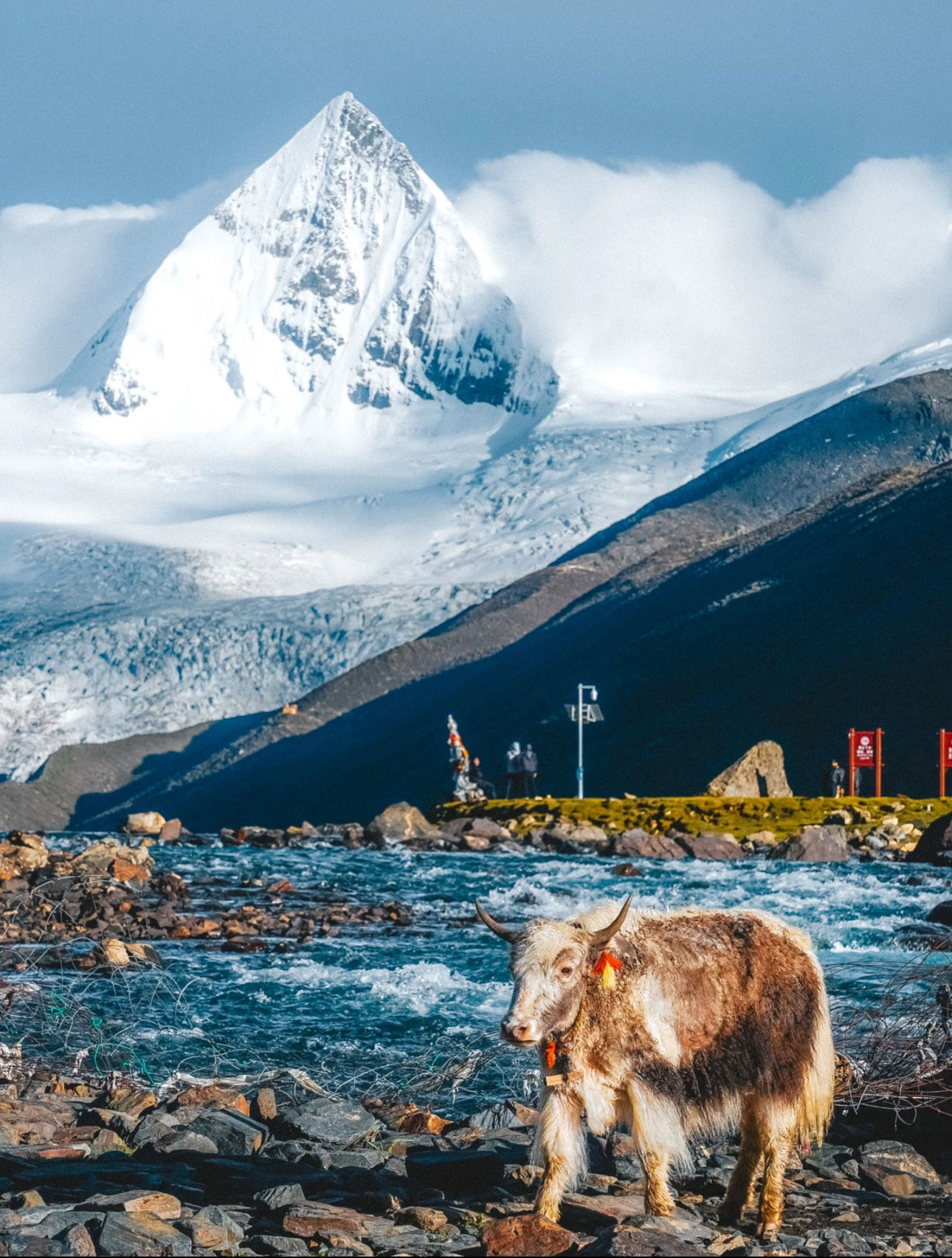
• Nyenchen Tanglha Range & Namtso: The sacred mountain and lake are revered as eternal lovers, protectors of the plateau and its people.
• Yamdrok Lake: Known as the ‘Sacred Lake in the Sky,’ its waters glisten in hues of turquoise, emerald, and sapphire, winding gracefully among the mountains.
• Tashilhunpo Monastery: One of the six great Gelugpa monasteries, housing the towering 26-meter copper statue of Maitreya Buddha. The sound of chanting and turning prayer wheels fills the air with serenity.
• Nyingchi: The ‘Jiangnan of Tibet,’ with lower altitude and mild climate. In spring, its peach blossom valleys bloom pink against snow peaks and barley fields, while Basum Lake offers turquoise waters and a temple on a secluded island.
• Jokhang Temple: The holiest shrine of Tibetan Buddhism, where pilgrims from across the plateau prostrate in devotion.
• Mount Everest Base Camp (China side): A chance to witness the grandeur of the world’s highest peak.
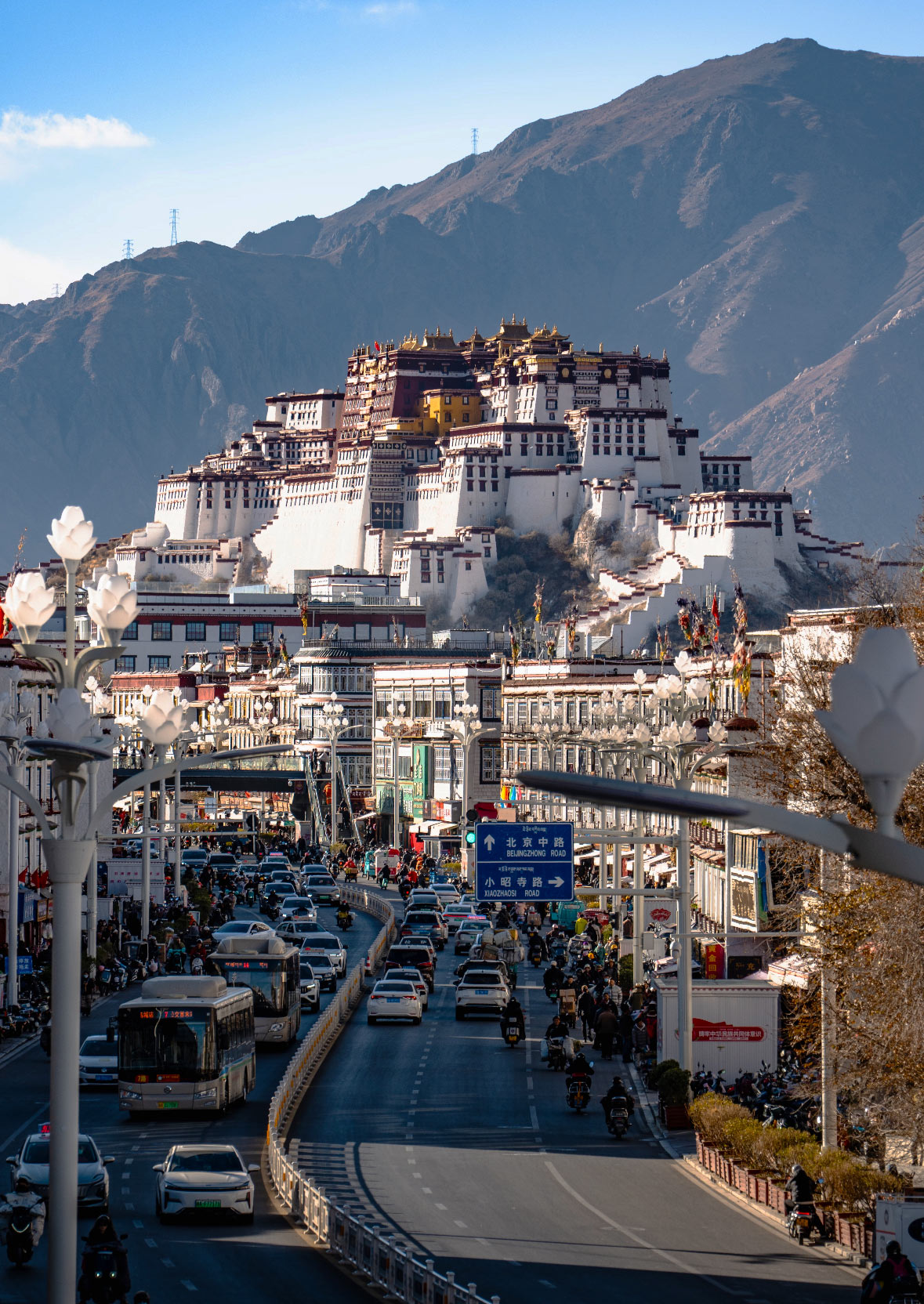
Tibetan cities are a balance of sacred tradition and modern progress. In Lhasa, the Potala Palace and the Barkhor Circuit carry centuries of devotion, while Beijing Road reflects the city’s growth with shops, hospitals, and schools. In Shigatse, the Tashilhunpo Monastery sits beside bustling markets. Nyingchi’s Bayi Town blends the grace of Jiangnan with the rugged spirit of the plateau, a peaceful and livable town.
Curious where your China journey could take you? Start here and tell us what you’re dreaming of.
SIGN UP