(+86) 19121971501

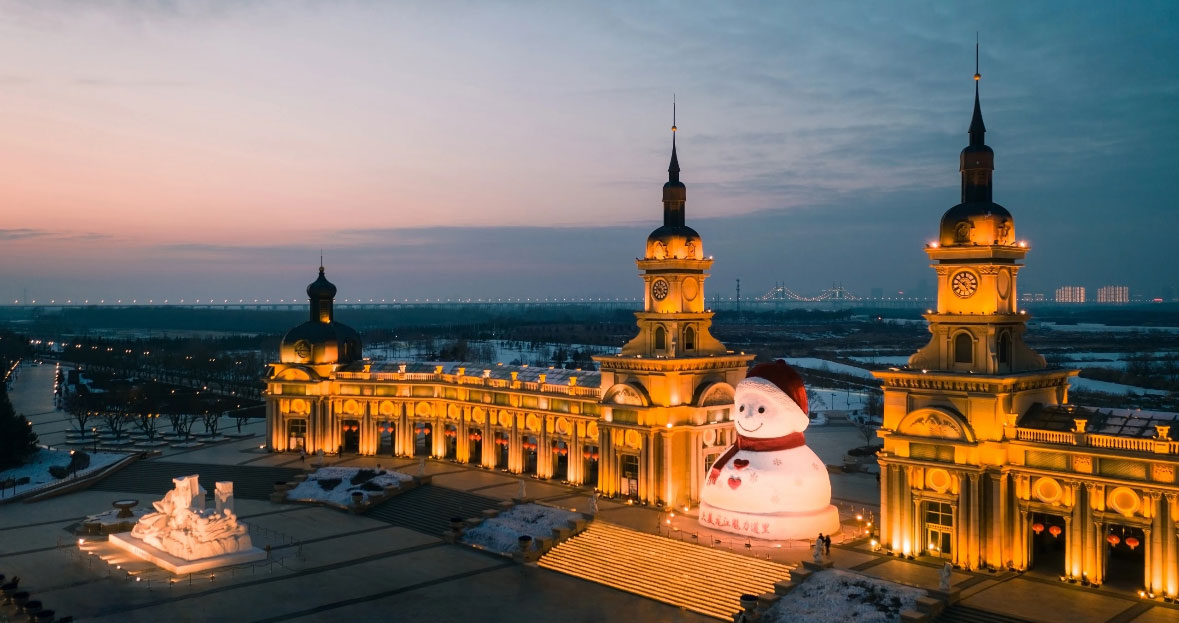
Harbin, the celebrated northern city along the Songhua River, is known as the ‘Moscow of the East’ and the ‘Oriental Paris.’ Its winters glisten with crystalline beauty, while summers are refreshingly mild. The city’s architecture, culture, and cuisine carry the charm of Sino-Russian fusion and a rich, multi-layered history.
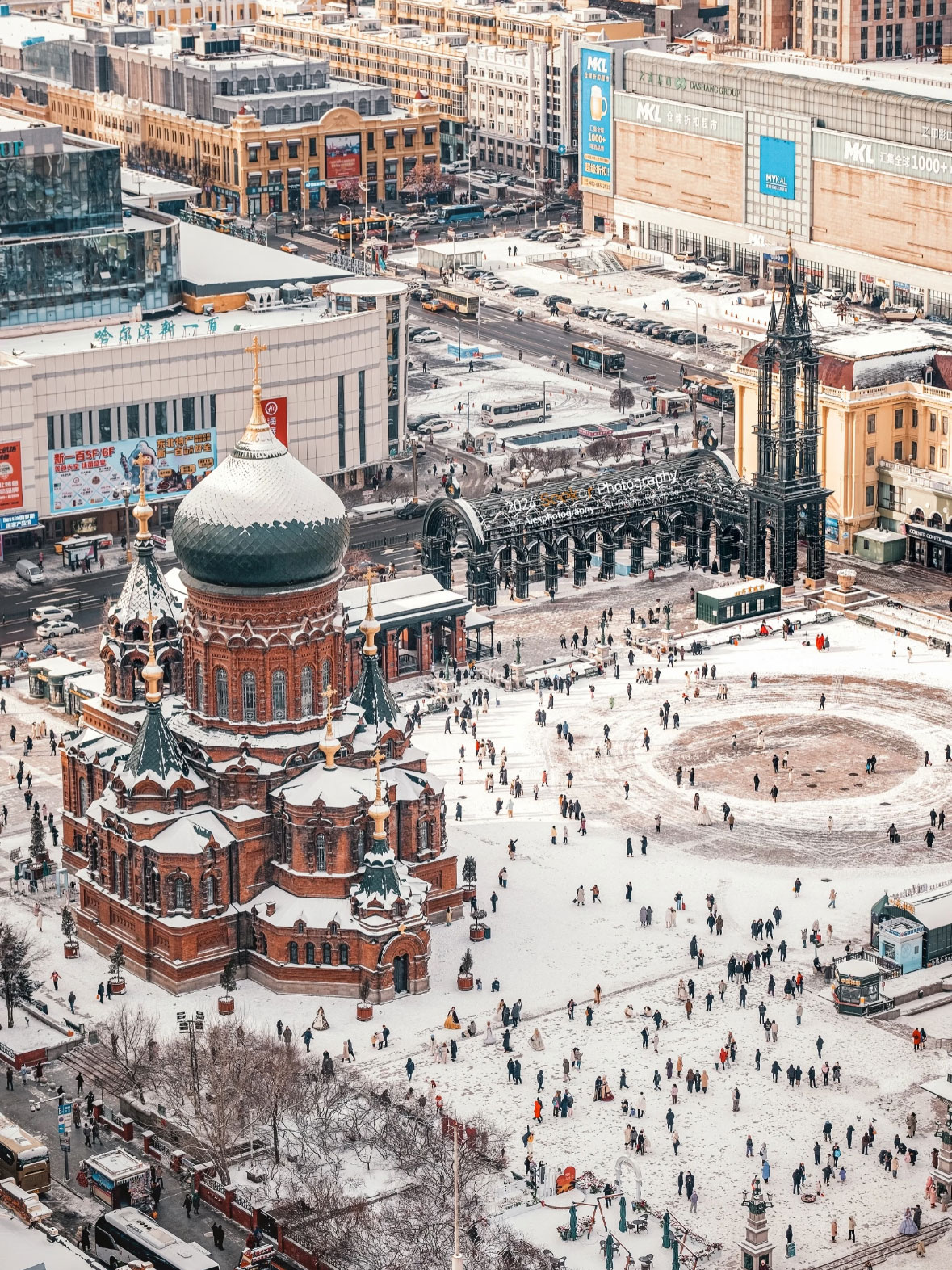
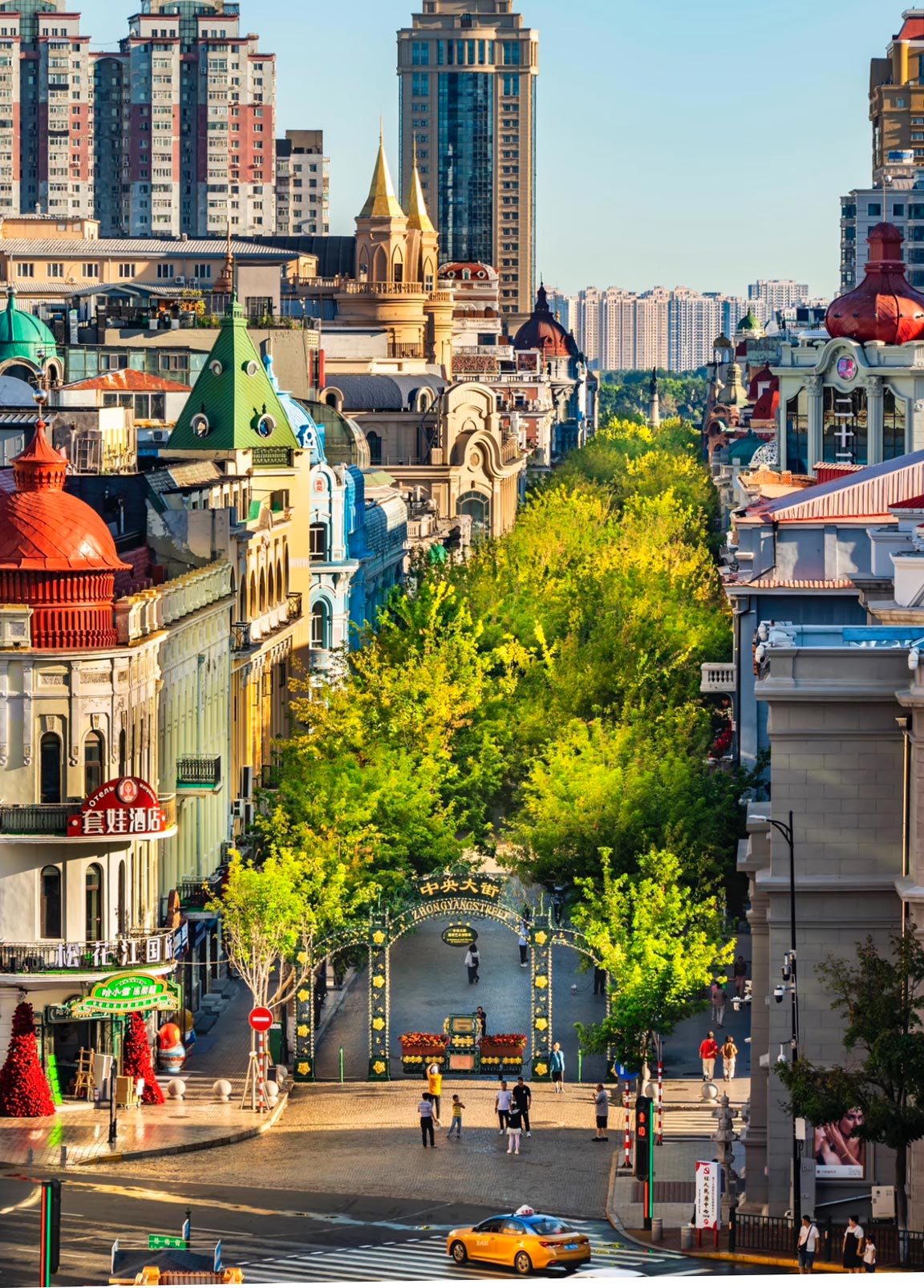
Harbin’s growth is closely tied to the construction of the Chinese Eastern Railway. Since the late 19th century, Russian, Jewish, Japanese, and other foreign influences have shaped its character, making it one of China’s most European-style cities. Strolling along the century-old Central Street (Zhongyang Dajie), you’ll see Baroque façades standing beside Art Nouveau masterpieces.
Harbin blends the romantic elegance of European architecture with the warmth and boldness of Northeast China’s people. From lively streets to a vibrant nightlife, the city exudes an irresistible energy and charm.
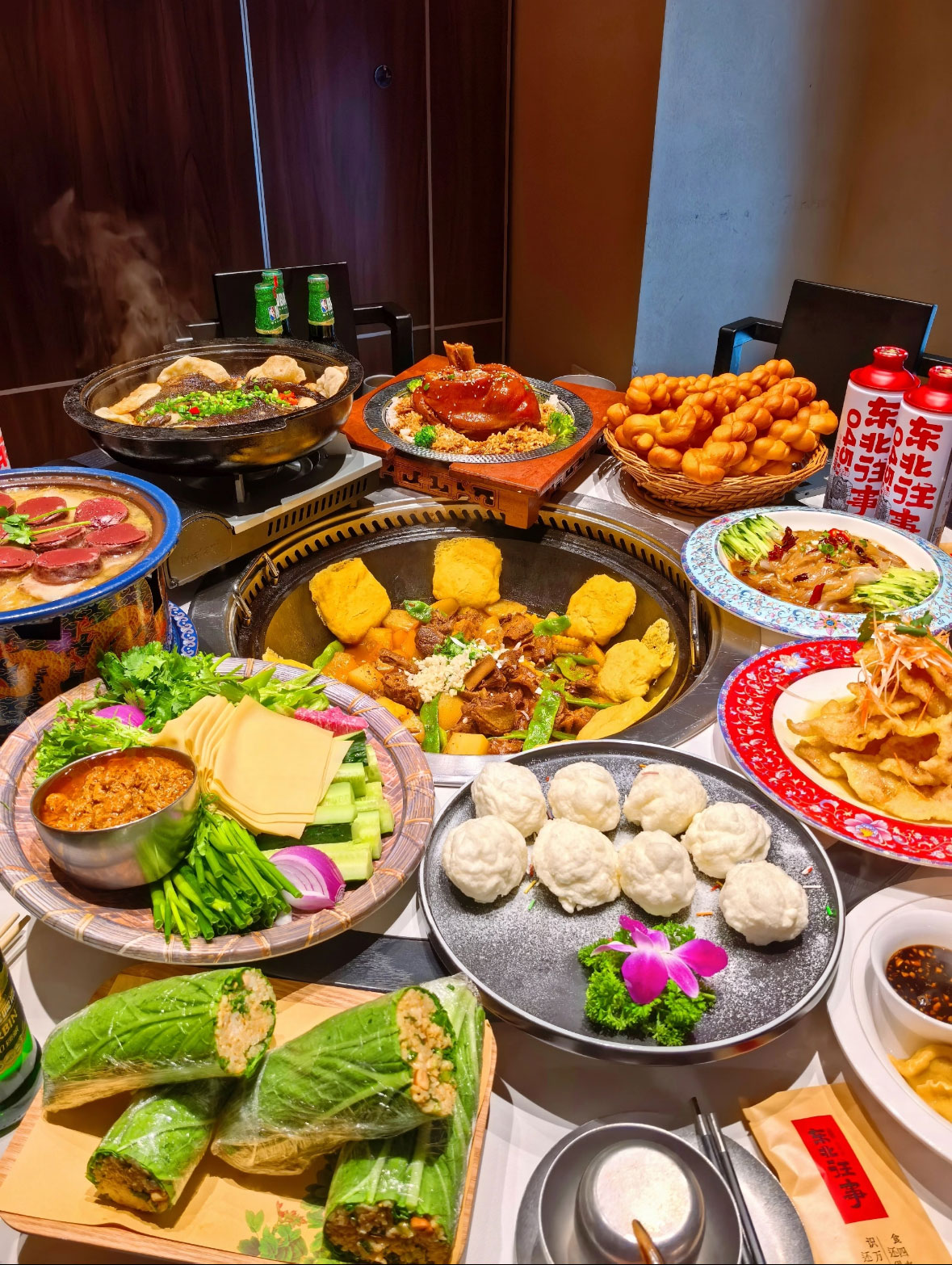
Harbin’s cuisine is a delightful marriage of hearty northern flavors and refined Russian influences:
• Northeast Specialties: The legendary Guo Bao Rou (crispy sweet-and-sour pork) from Lao Chu Jia is a must-try—golden-crisp outside, tender inside, and perfectly balanced in flavor. Iron Pot Stew (Tie Guo Dun) simmers ribs, chicken, or fish with fresh vegetables for a rich, comforting broth. Traditional Sha Zhu Cai (“Pig Slaughtering Dish”) brings together blood sausage, pork belly, and sauerkraut in a hearty winter feast.
• Street Snacks: The iconic Modern Ice Cream Bar is creamy and rich, even in sub-zero weather. Harbin Smoked Sausage is firm, smoky, and savory. Morning markets like Hongzhuan Street or evening stalls at Normal University Night Market tempt visitors with fried rice cakes, pork rib buns, and meat-filled egg wraps.
• Russian-style Dining: Time-honored establishments like Tatoc Russian Restaurant serve authentic borscht, braised beef in clay pots, and hearty Dalieba bread. The soup is tangy and warming, the beef tender and flavorful, and the bread’s crusty exterior hides a soft, fragrant center.
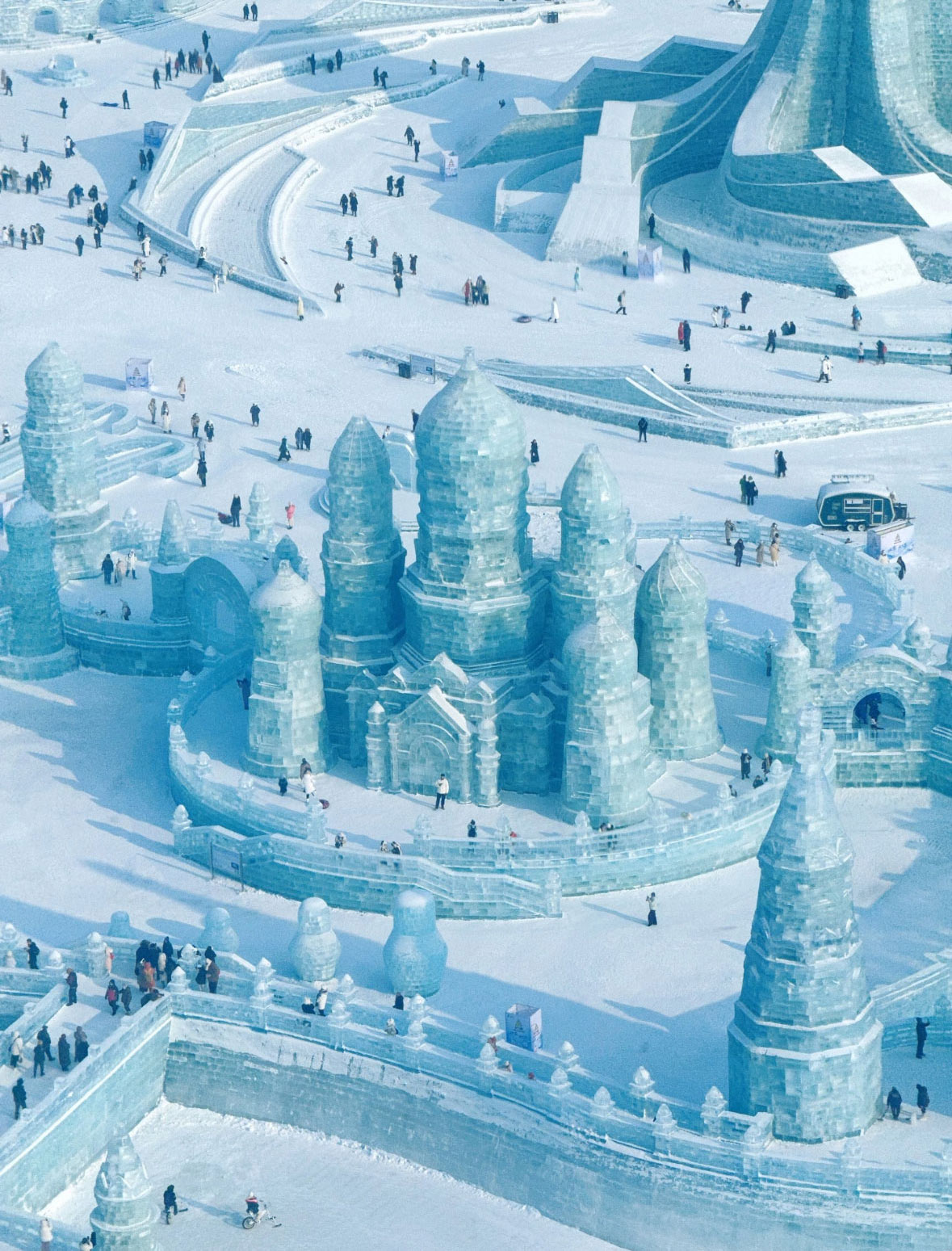
Harbin’s customs carry the hearty spirit of the Northeast. Winters are defined by dazzling ice sculptures and festive snow activities, while summers are mild and full of life.
• Harbin Ice and Snow World: A winter wonderland of illuminated ice palaces and intricate snow carvings, sparkling like a fairytale under the night lights.
• Songhua River Ice Activities: Skating, ice sailing, and sledding bring out the child in everyone.
• International Beer Festival: Every summer, the Ice City turns into a lively celebration of beer, music, and camaraderie.
• Central Street (Zhongyang Dajie): Asia’s first pedestrian street, lined with architectural gems blending Baroque, Art Nouveau, and other European styles—an open-air museum of design.
• Saint Sophia Cathedral: An iconic Byzantine-style landmark. Its grand domes and elegant interior glow in the sunlight, evoking the grandeur of a dreamlike castle.
• Sun Island Scenic Area: A green retreat in summer, a snow kingdom in winter.
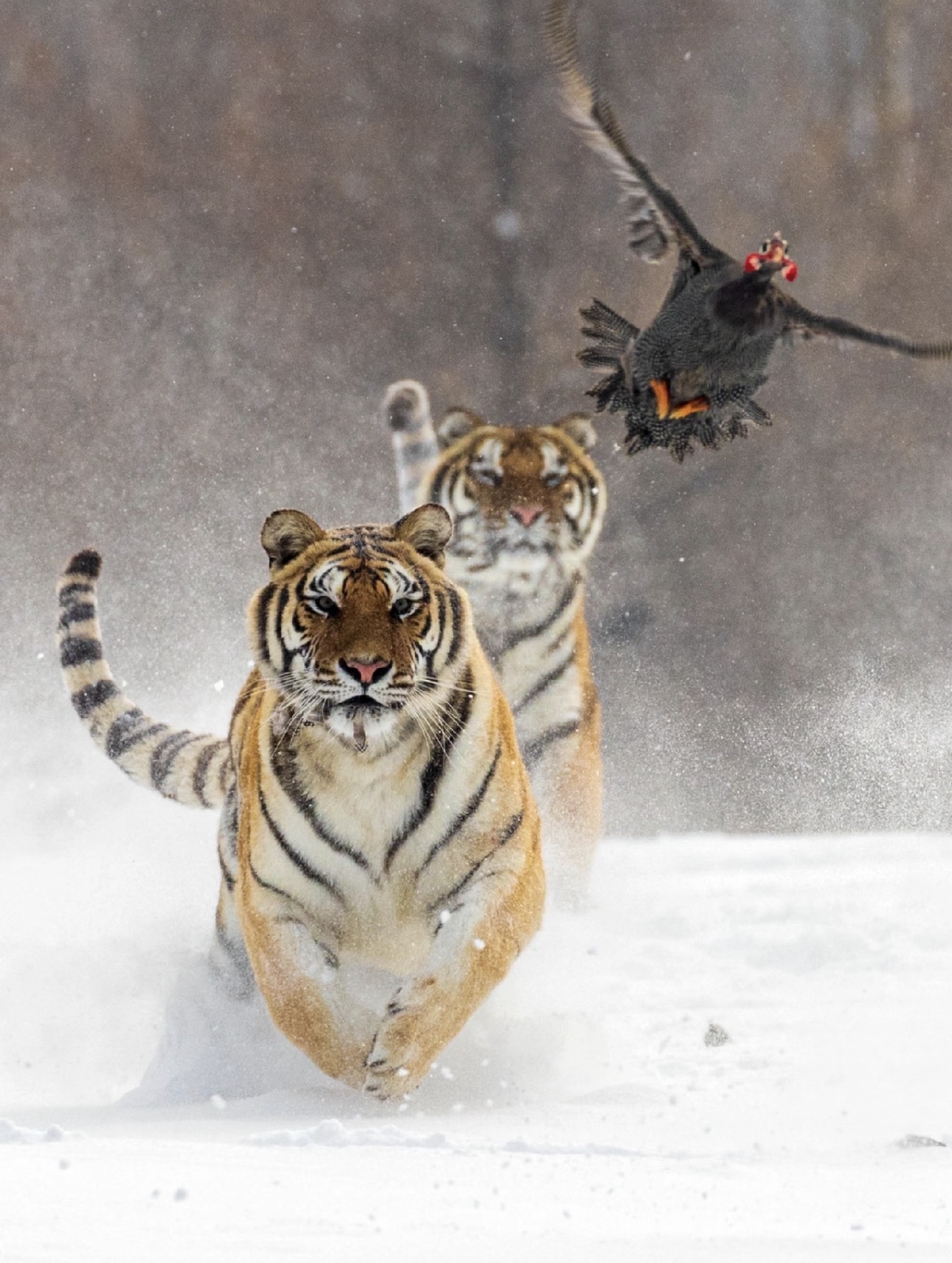
• Siberian Tiger Park: Witness the raw beauty of Northeast China’s magnificent tigers.
• Volga Manor: A recreation of a traditional Russian estate, complete with charming architecture and gardens.
Curious where your China journey could take you? Start here and tell us what you’re dreaming of.
SIGN UP