(+86) 19121971501

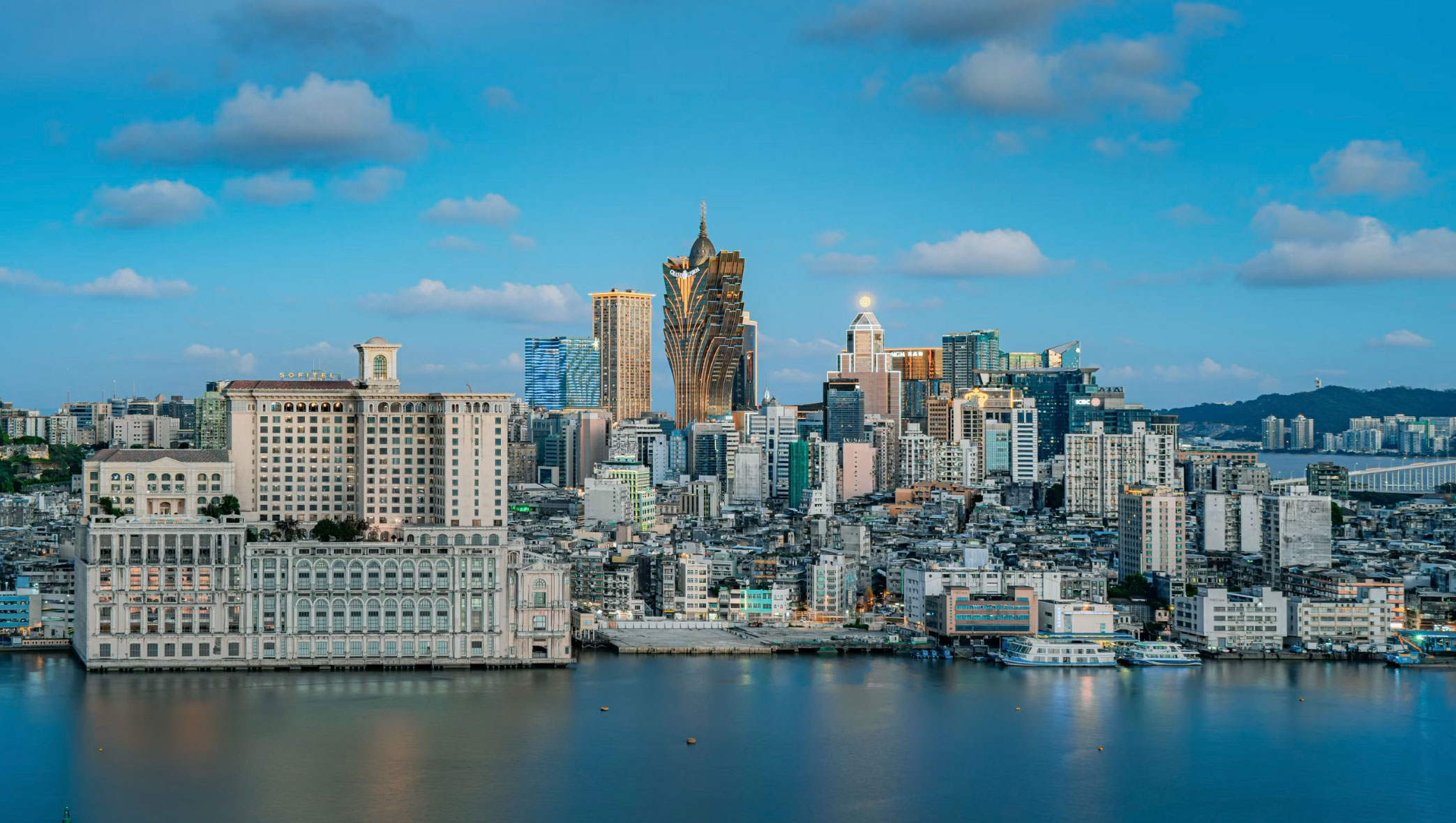
Macao, a charming city where East meets West, brings together the weight of history and the vibrancy of modern life. As a key port where cultures converge, Macao preserves ancient Portuguese colonial heritage while showcasing a unique blend of Cantonese and Macanese culture. Here, the European carvings of the Ruins of St. Paul’s coexist with the sweeping eaves of A-Ma Temple; Portuguese egg tarts delight the palate alongside crisp almond cookies; neon-lit casinos sparkle beside bustling old streets. It is a place where culture and entertainment coexist in perfect harmony.
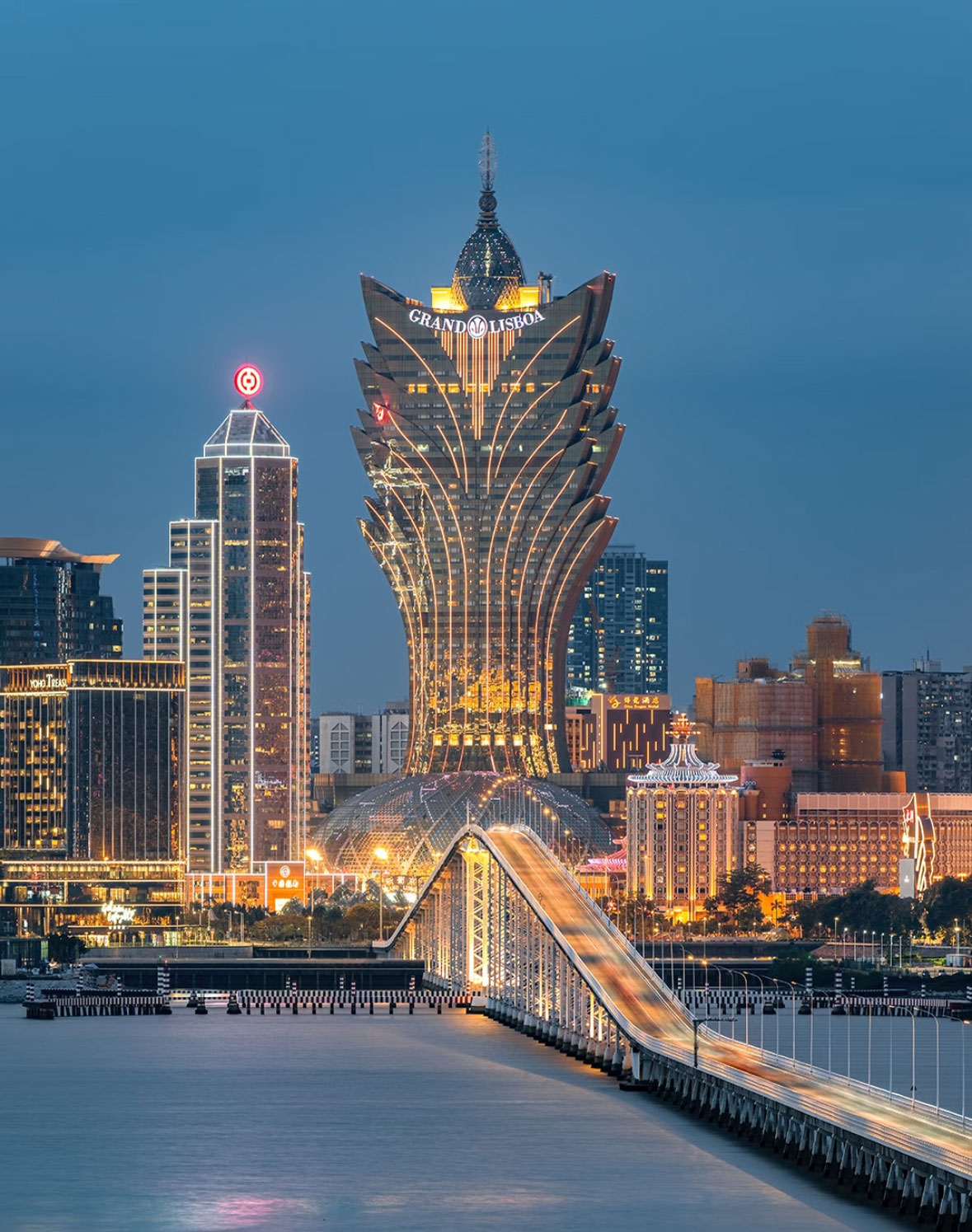
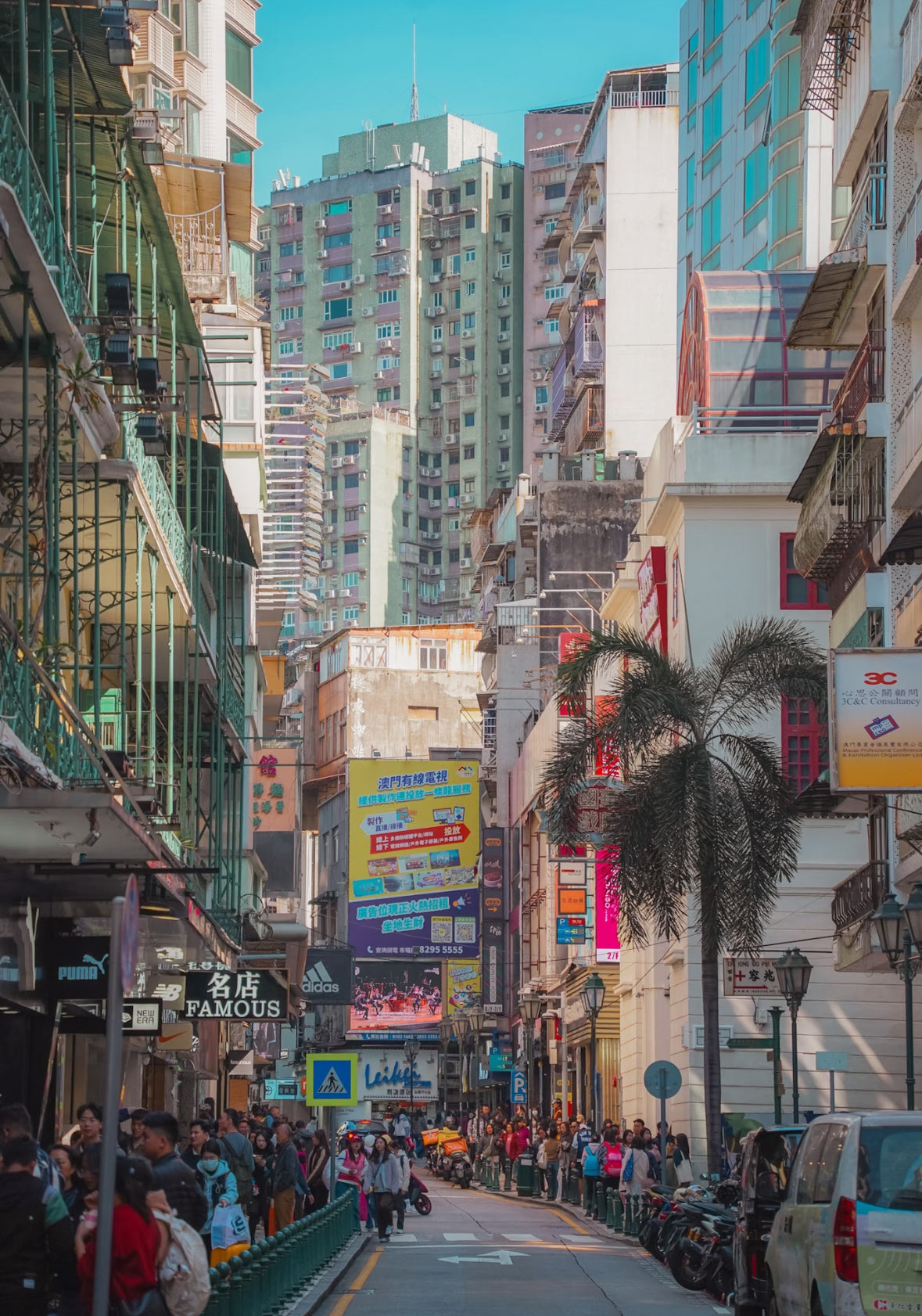
Macao’s history is a tale of East-West convergence. Formerly known as “Háo Jìng Ào” for its mirror-like harbor, it became a Portuguese settlement in the mid-16th century. Western architecture, religion, and lifestyle fused with local traditions, giving birth to a distinctive Macao culture.
On December 20, 1999, Macao returned to China as a Special Administrative Region, ushering in new opportunities under “One Country, Two Systems.” Today, the ruins of St. Paul’s testify to the city’s colonial past, while the Golden Lotus Square symbolizes Macao’s rebirth and prosperity. History and modernity intertwine throughout the city.
Macao’s culture exemplifies multicultural coexistence. The roots of Lingnan culture run deep—Cantonese is the daily language, and traditional blue-brick houses and wooden doors can be found throughout the old city. Western influences are equally visible, from Portuguese street signs and Gothic churches to Baroque-style sculptures, reflecting centuries of cultural exchange.
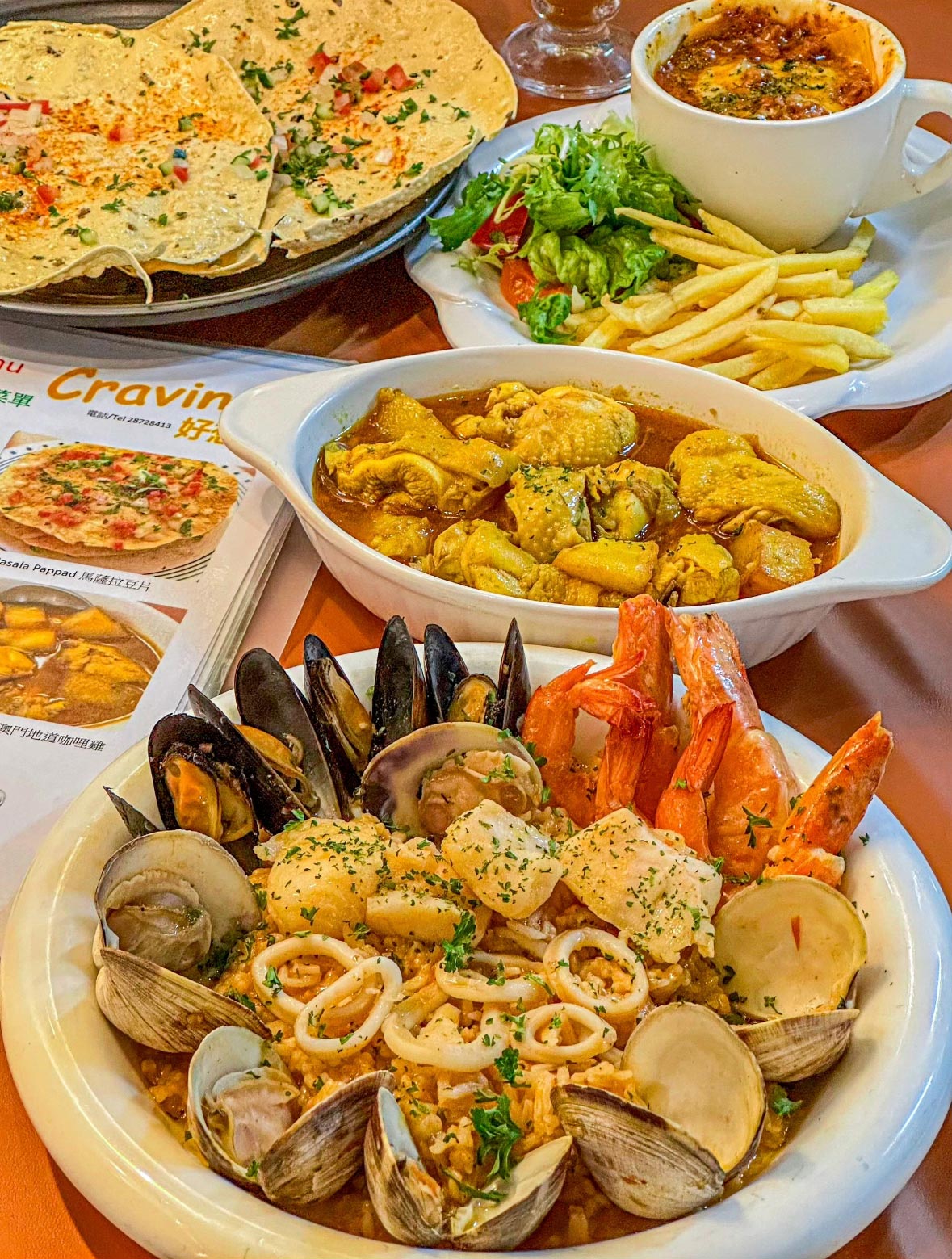
Macao cuisine is a perfect fusion of Eastern and Western flavors:
• Portuguese Egg Tart: Macao’s “sweet signature,” with flaky layers, creamy custard, and lightly caramelized tops. Classic examples include those from Lord Stow’s Bakery and Margaret’s Café.
• Pork Chop Bun: A Macanese specialty featuring a thick, golden-fried pork chop in a crispy bun with lettuce and sauce; the famous Tai Lei Loi Kei version is a must-try.
• Portuguese Chicken: Chicken simmered with potatoes, onions, and olives, flavored with coconut milk and curry, served with rice—an iconic dish blending aromatic spices.
• Almond Cookies: A traditional souvenir, crisp and fragrant, made with almond powder, flour, and butter; freshly baked versions from Koi Kei or Choi Heong Yuen are perfect gifts.
• Crab Congee: A Cantonese-style innovation using local freshwater crabs, yielding a creamy, flavorful porridge perfect for warming up on cooler nights.
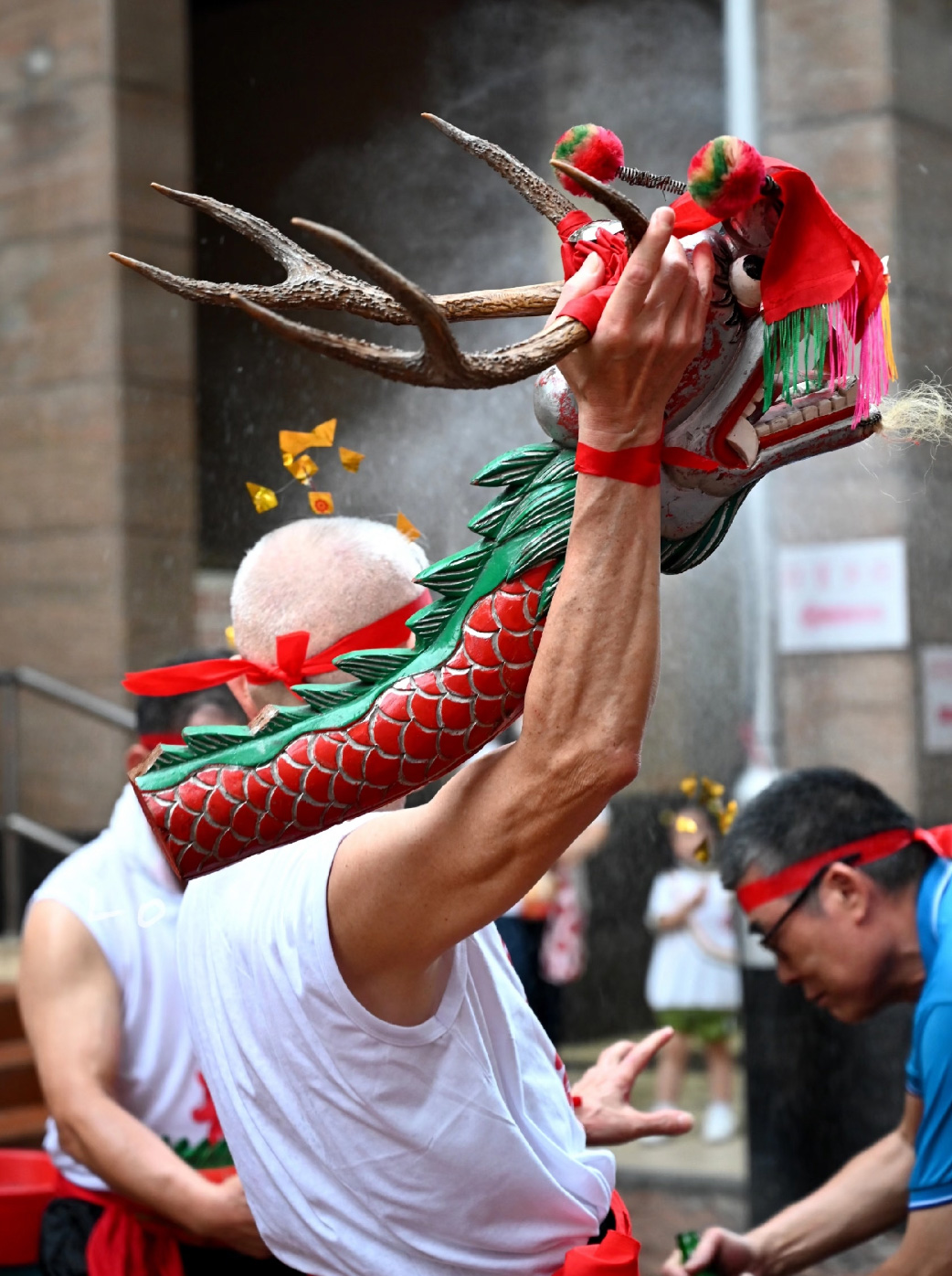
Macao’s customs blend Lingnan warmth with Portuguese festivity. During Lunar New Year, A-Ma Temple is filled with incense, dragon and lion dances enliven the streets, and flower markets brim with seasonal goods. Lantern riddles and glutinous rice balls fill the lively atmosphere of the Lantern Festival.
Western festivals are also celebrated: Christmas lights and trees illuminate the streets, restaurants offer traditional dinners, and Easter brings playful egg hunts for children. The Macao International Fireworks Display attracts global attention each year, symbolizing cultural fusion and celebration. Religious diversity thrives, with Catholic churches and traditional temples coexisting, highlighting the city’s unique cultural rhythm.
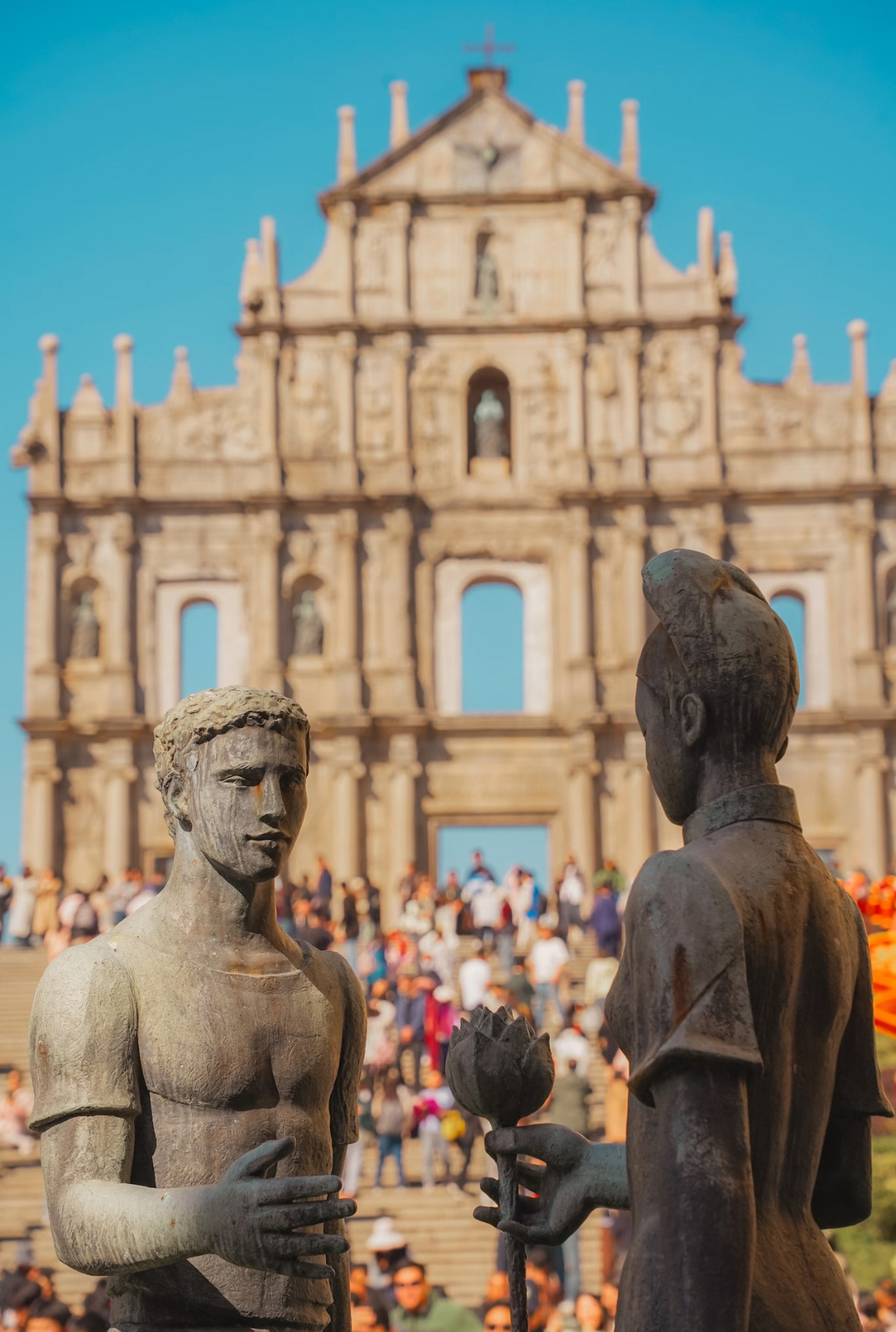
• Ruins of St. Paul’s: Macao’s emblematic landmark, featuring Baroque carvings blending Western and Chinese motifs. The nearby Love Lane is a popular spot for couples, and the museum behind the ruins preserves artifacts narrating the church’s history.
• Senado Square: A vibrant plaza with Portuguese-style architecture and the aroma of coffee drifting from nearby cafés.
• The Venetian Macao: A modern entertainment icon, with indoor canals, gondolas, Italian-inspired architecture, luxury shopping, and Asia’s largest casino complex.
• A-Ma Temple: Macao’s oldest temple, dedicated to the sea goddess Mazu, serving as a spiritual anchor and early witness to East-West exchanges.
• Macao Museum: Showcases the city’s rich history and multicultural heritage.
• Coloane Fishing Village: Macao’s “back garden,” preserving traditional village life with colorful hillside houses, seaside roads ideal for cycling, and serene sunsets contrasting with the city’s bustling peninsula.
Curious where your China journey could take you? Start here and tell us what you’re dreaming of.
SIGN UP