(+86) 19121971501

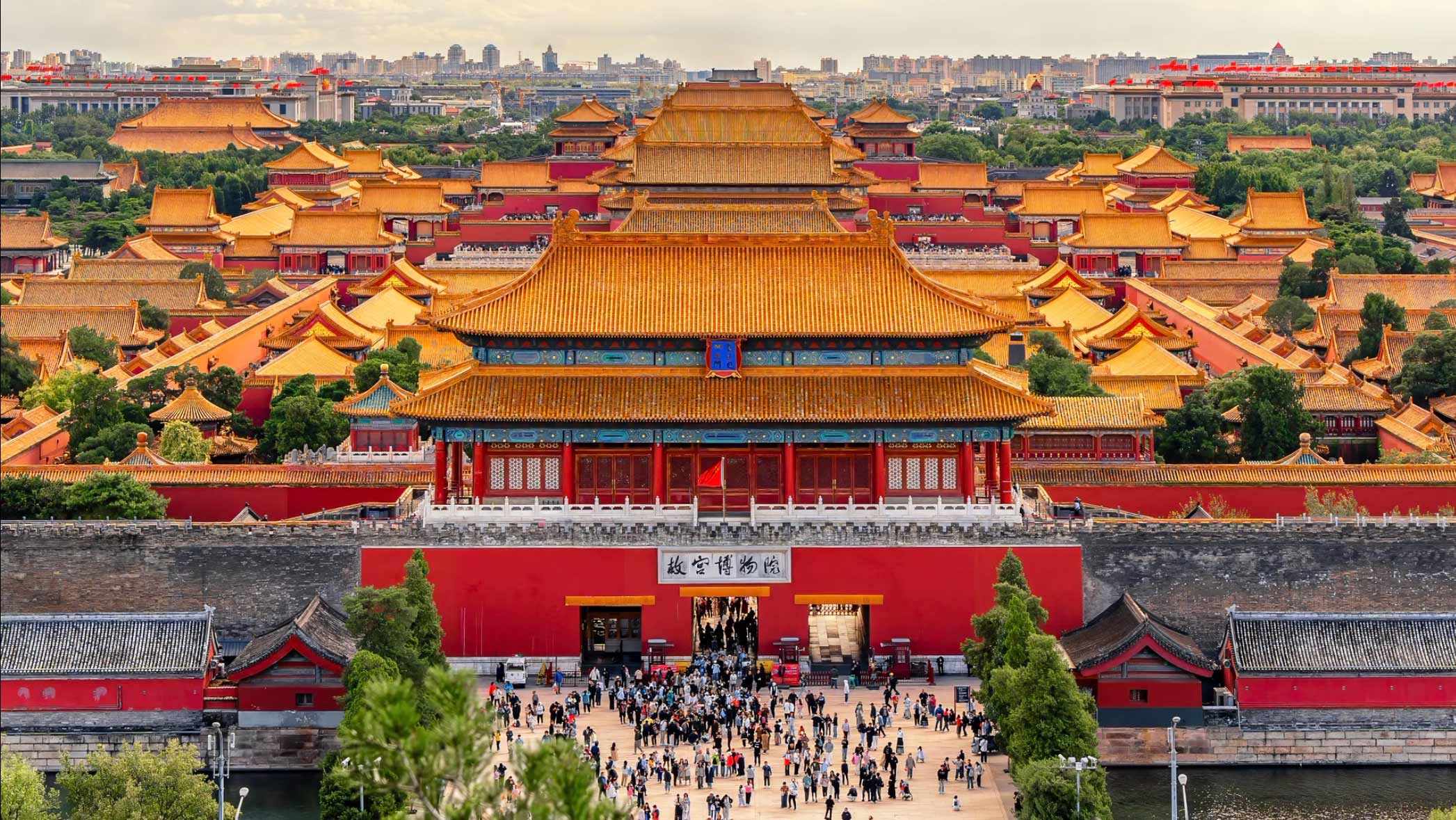
Beijing, with over 3,000 years of city history and more than 800 years as the imperial capital, is not only the political and cultural heart of China, but also a world-class city where historical grandeur meets modern vitality. Wandering its streets, you’ll find imperial palaces and hutongs, ancient charm and contemporary trends, woven together like a living scroll of Eastern history.
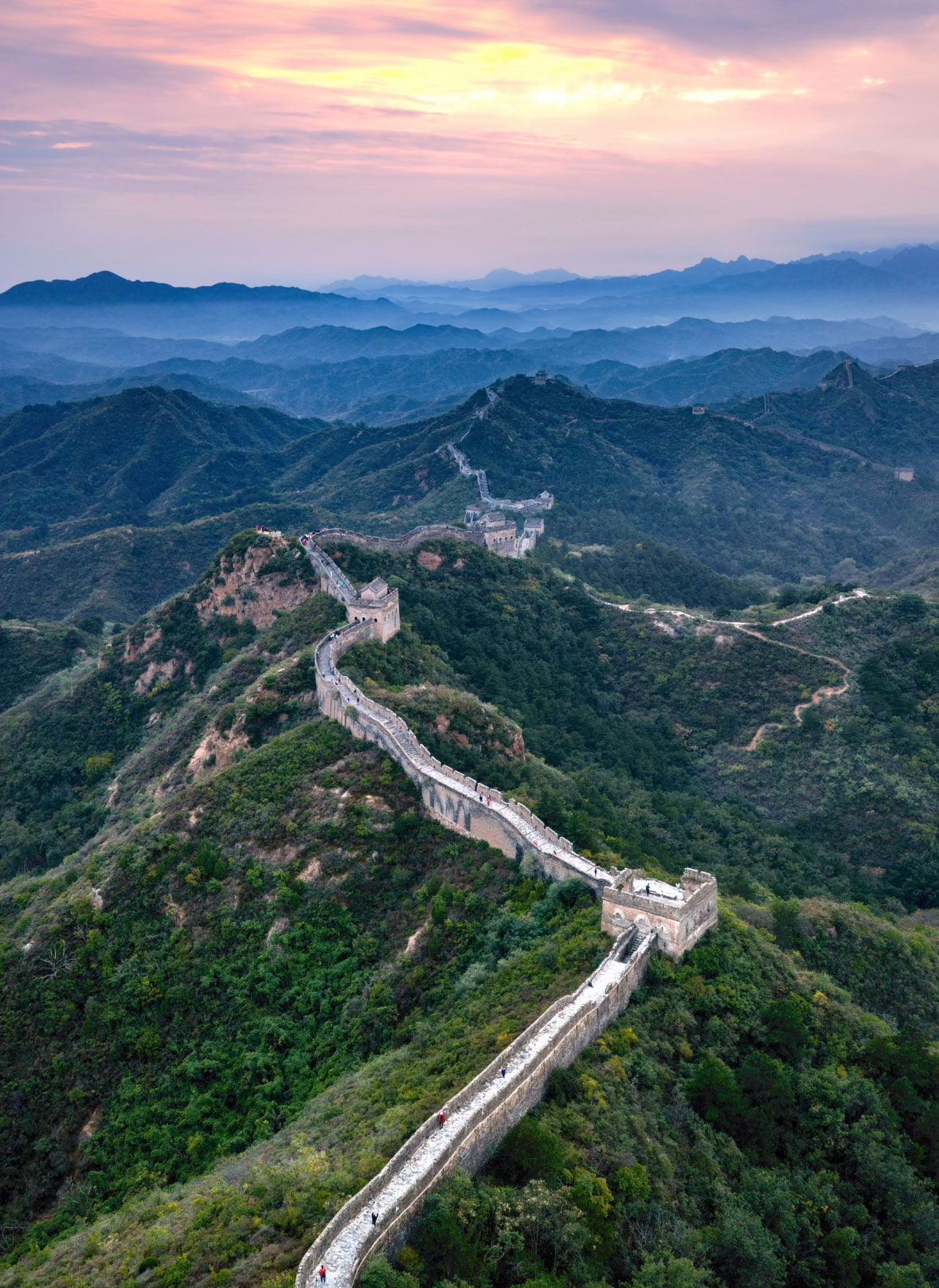
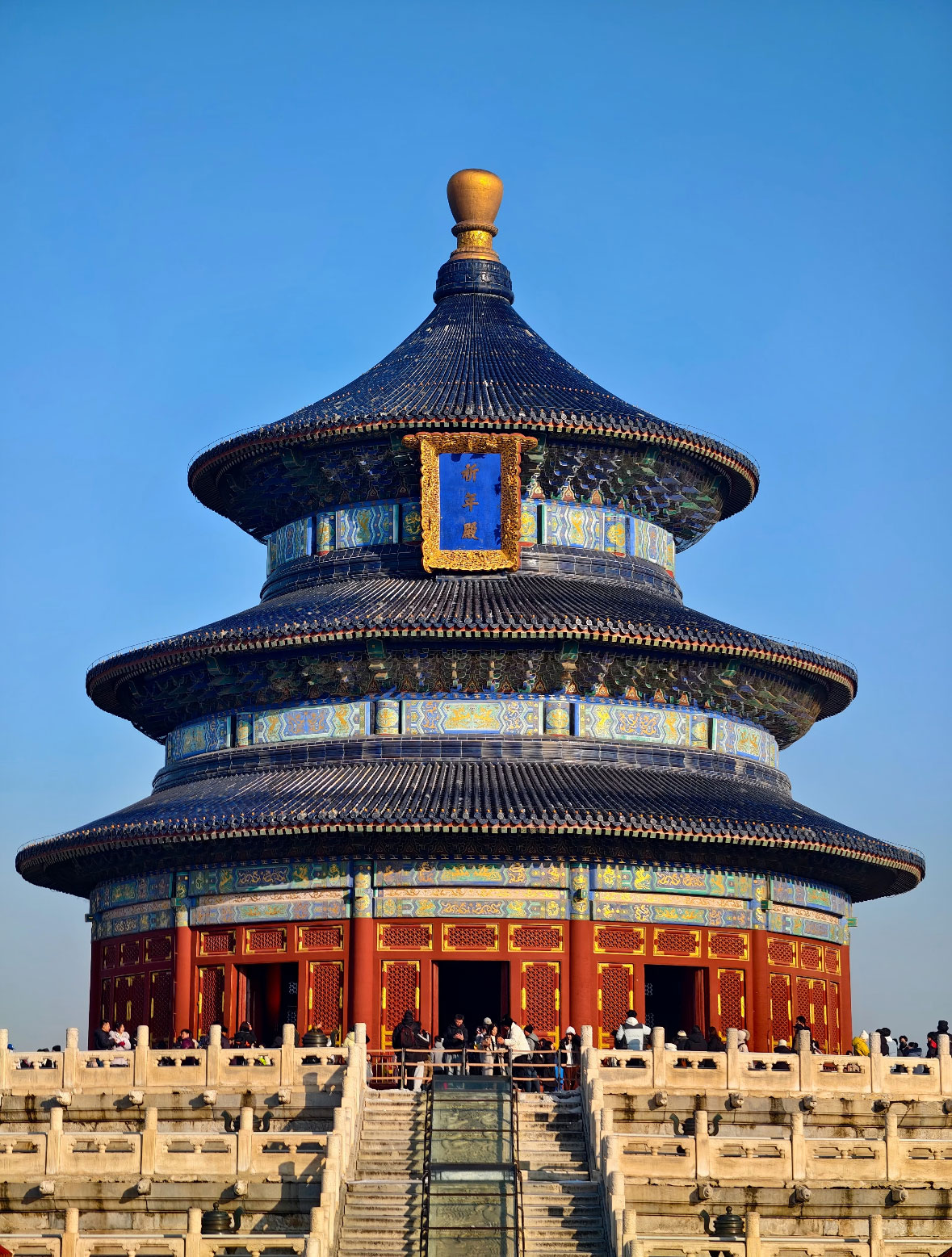
As the capital of six dynasties and the seat of the Yuan, Ming, and Qing courts, Beijing is famed for its magnificent imperial architecture, deep cultural heritage, and rich collection of UNESCO World Heritage Sites:
• The Palace Museum (Forbidden City): The largest and best-preserved wooden palace complex in the world. Within its 980 buildings, the golden splendor and solemn dignity of the Forbidden City hold centuries of imperial memories.
• The Temple of Heaven: A masterpiece of ancient architecture and ceremonial culture, where Ming and Qing emperors prayed for good harvests. The Hall of Prayer for Good Harvests and the Echo Wall are marvels of both design and symbolism.
• The Summer Palace: The most extensive and best-preserved royal garden in China, where Kunming Lake and Longevity Hill together form a poetic landscape painting.
• Badaling Great Wall: A prominent section of the Great Wall, this world wonder winds across mountain ridges, bearing witness to the resilience and ingenuity of the Chinese people. From its heights, you truly feel the spirit of the saying: ‘He who has never been to the Great Wall is not a true hero.’
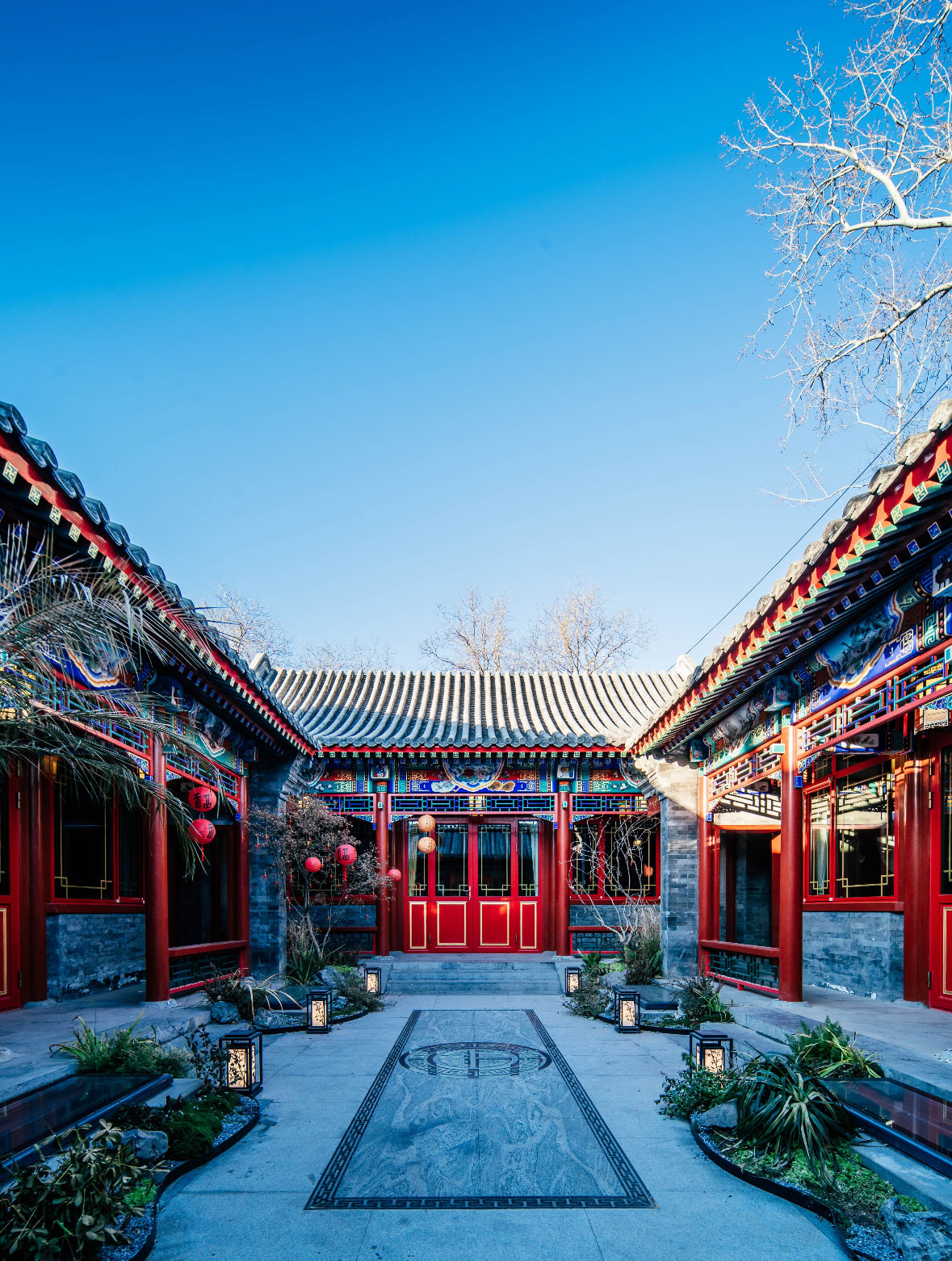
Beyond imperial grandeur, the hutongs and siheyuan (courtyard houses) reveal the heartbeat of everyday Beijing. In gray-brick courtyards, neighbors sip tea and chat, while the aroma of zhajiang noodles drifts from street corners. The sunsets at Shichahai and the leisurely pace of Nanluoguxiang embody the city’s distinctive neighborhood charm.
Here, you can step between eras—solemn Tiananmen Square witnessing the nation’s history, the Bird’s Nest and Water Cube showcasing modern design and technology, and the 798 Art District brimming with creativity and contemporary art.
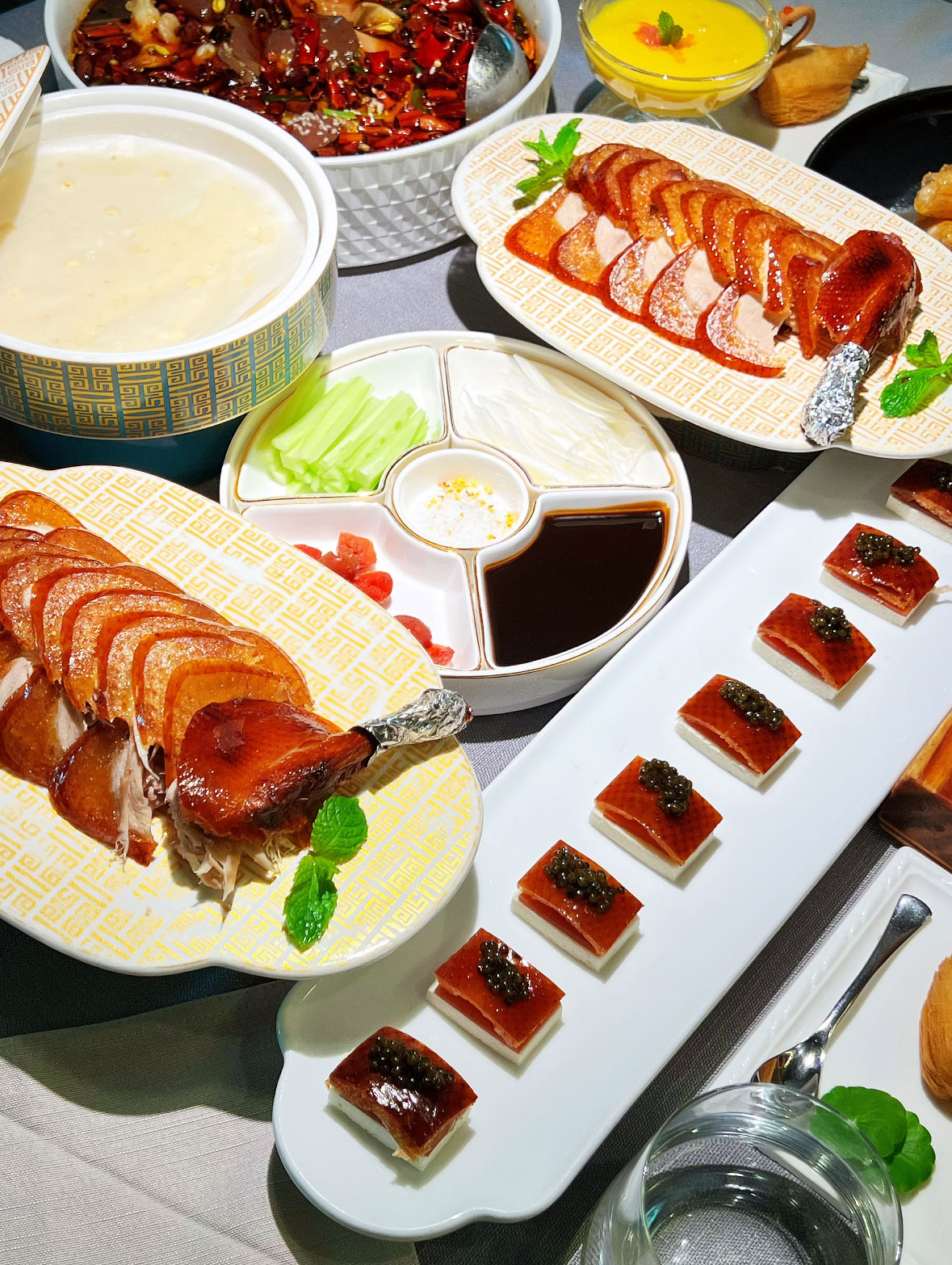
Beijing cuisine blends the refinement of the royal court with the bold flavors of the streets:
• Peking Duck: Crisp skin, tender meat, sliced with precision and wrapped with scallions, cucumber, sweet bean sauce, and a delicate pancake—an unforgettable signature of the capital.
• Zhajiangmian (Noodles with Soybean Paste): A beloved local staple, served with seasonal vegetables for a balance of hearty and fresh.
• Imperial Snacks: Treats such as “Donkey Rolling” (glutinous rice cake), “Ai Wo Wo” (sweet rice balls), and “Tang Er Duo” (syrup twists) hold the sweetness of old Beijing’s traditions.
• Instant-Boiled Mutton: Thin slices of lamb cooked in a copper hotpot, paired with rich sesame sauce and sweet pickled garlic, delivering pure satisfaction in every bite.
Beijing keeps its ancient traditions alive while weaving them into modern life:
• Spring Festival Temple Fairs: At Ditan and Longtan Parks, where folk performances, dragon and lion dances, and street snacks gather in festive abundance.
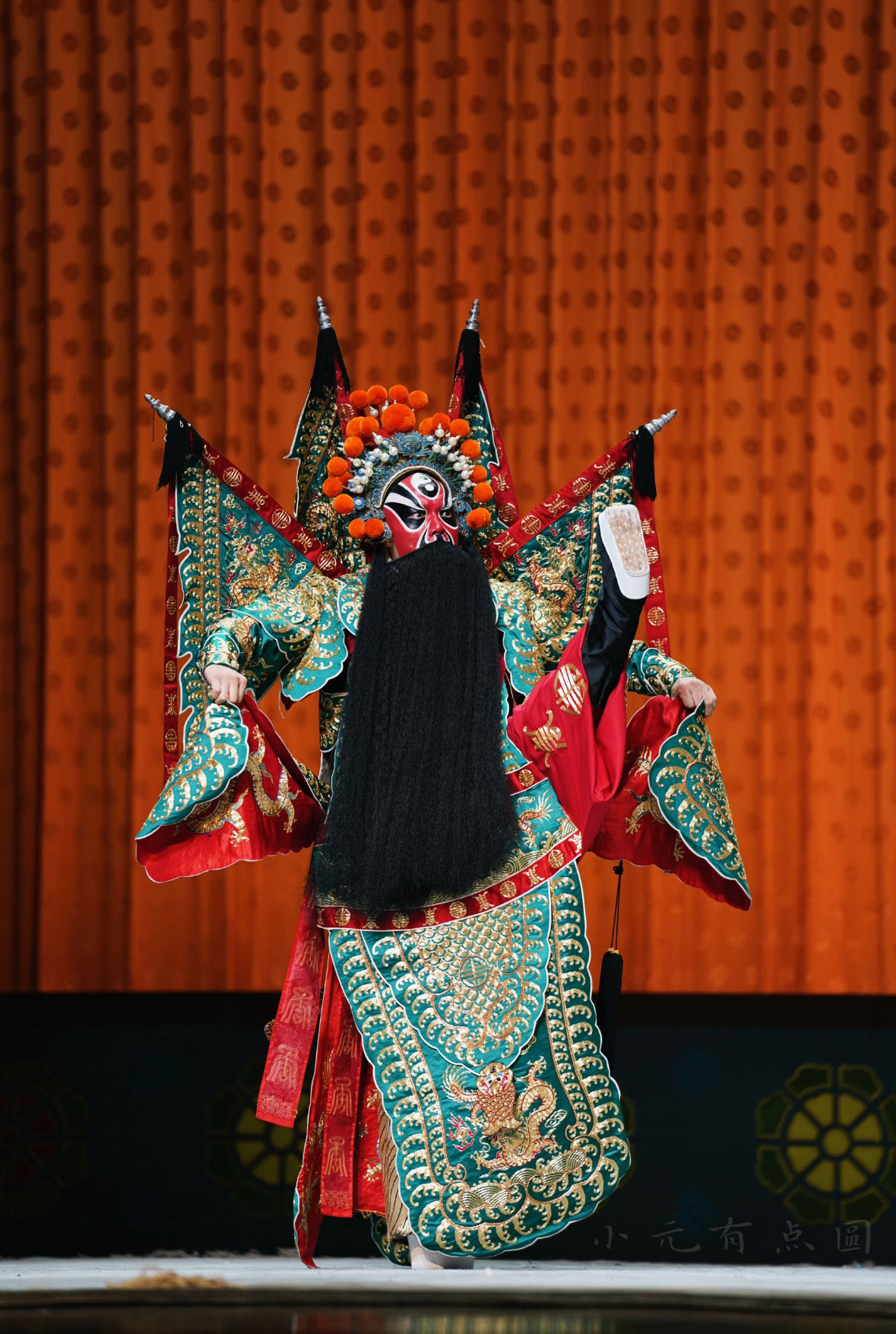
• Peking Opera: A synthesis of singing, acting, and martial arts, showcasing the essence of Chinese theatrical aesthetics.
• Calligraphy & Tea Ceremony: In historic teahouses and academies, the quiet rhythm of brush and teacup invites you into the heart of Eastern culture.
Curious where your China journey could take you? Start here and tell us what you’re dreaming of.
SIGN UP