(+86) 19121971501

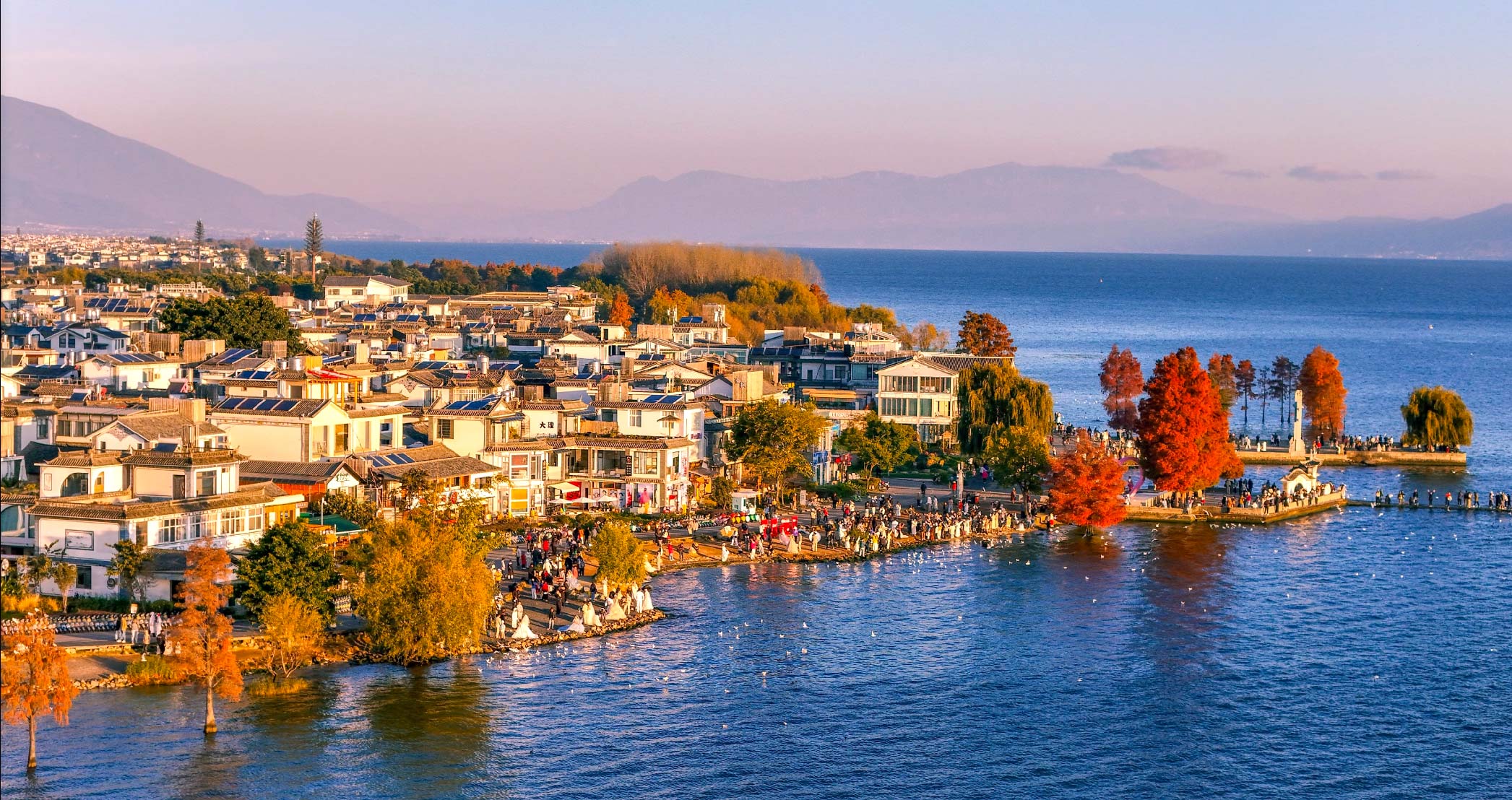
Yunnan, like a spilled painter’s palette, blends the white of snow-capped mountains, the green of rice terraces, the jade-blue of ancient towns, and the brilliance of flower seas into a vivid masterpiece. It is home to 26 ethnic groups, the starting point of the Ancient Tea Horse Road, once hailed by Xu Xiake as the ‘First Frontier City,’ and a land that embodies the poetry and longing for ‘a faraway place.’ In Yunnan, every step leads you into breathtaking scenery, every glance reveals a new cultural story. Beyond majestic mountains and pristine plateau lakes, Yunnan offers an abundance of ethnic traditions and authentic flavors—an ideal destination where nature and culture harmoniously intertwine.
Yunnan is the most ethnically diverse province in China, where Han, Yi, Bai, Hani, Dai, and many others have thrived for centuries. Their cultures weave together like colorful threads in a tapestry:
• Yi Torch Festival lights up the summer sky with thousands of blazing torches, as young dancers in pleated skirts whirl to the rhythm of drums.
• Bai People’s Third-Month Fair has been held for over a millennium, combining horse races, folk songs, and bustling trade.
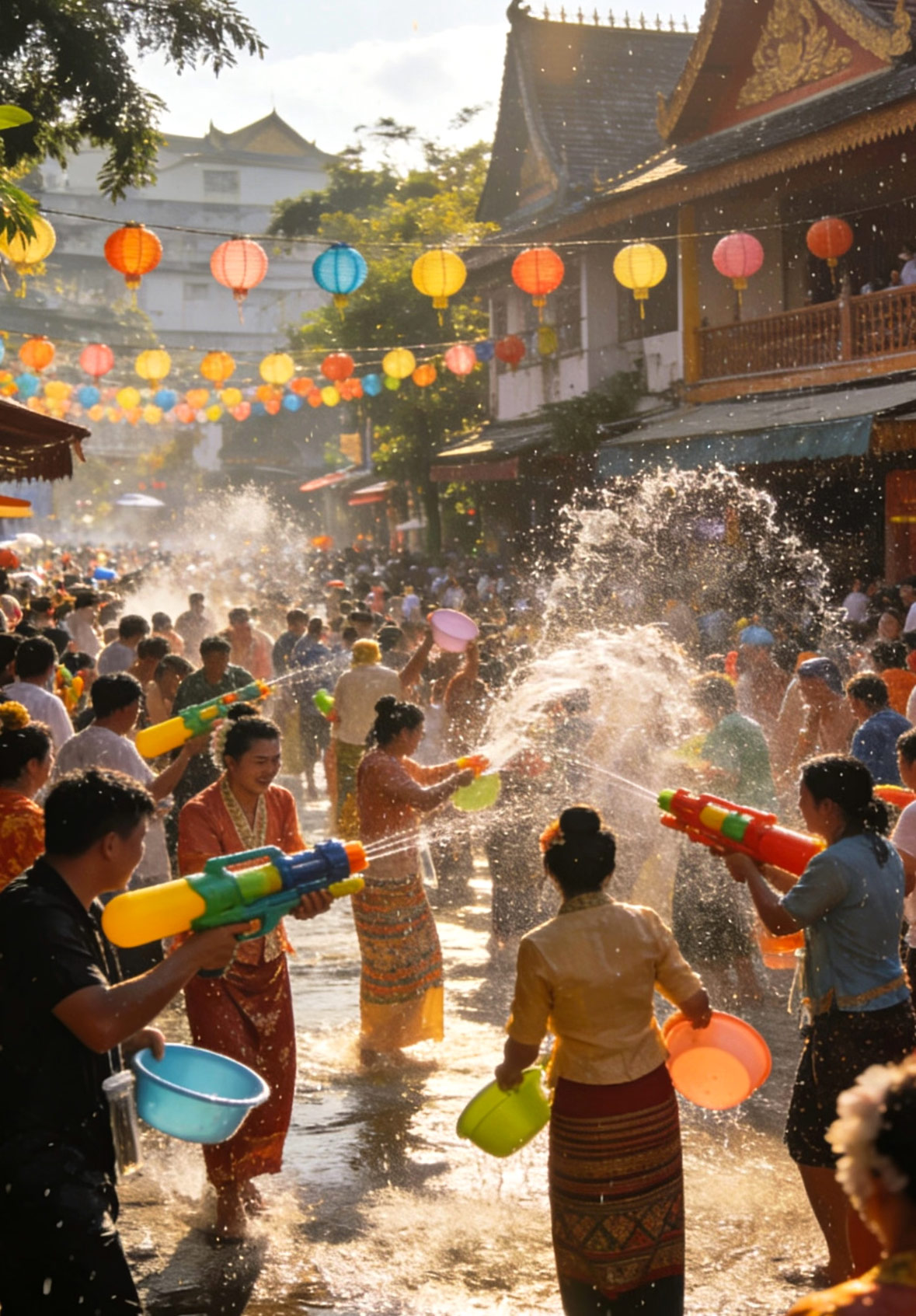
• Dai Water-Splashing Festival celebrates the blessing of water, as laughter and joy ripple through splashes under the tropical sun.
Handicrafts here are living traditions: Yi lacquerware glows in bold hues, Naxi Dongba paper preserves ancient scripts, and Dai brocade captures the shimmer of tropical forests. In Lijiang’s Four-Square Street or Dali’s Foreigner’s Street, you’ll hear voices in many languages and see vibrant ethnic costumes—living proof of the harmony of ‘beauty in diversity, unity in difference.’
The customs of Yunnan are not only preserved in grand festivals, but also in everyday life:
• Hani October New Year brings entire villages together for a “long-table feast,” where rice wine flows and songs echo through the valleys.
• Lisu Knife-Ladder Festival sees brave men climb razor-sharp blades and walk across burning coals, demonstrating unmatched courage.
• Lahu Gourd Festival honors the gourd as a totem of life, with lively dances that reflect reverence for nature.
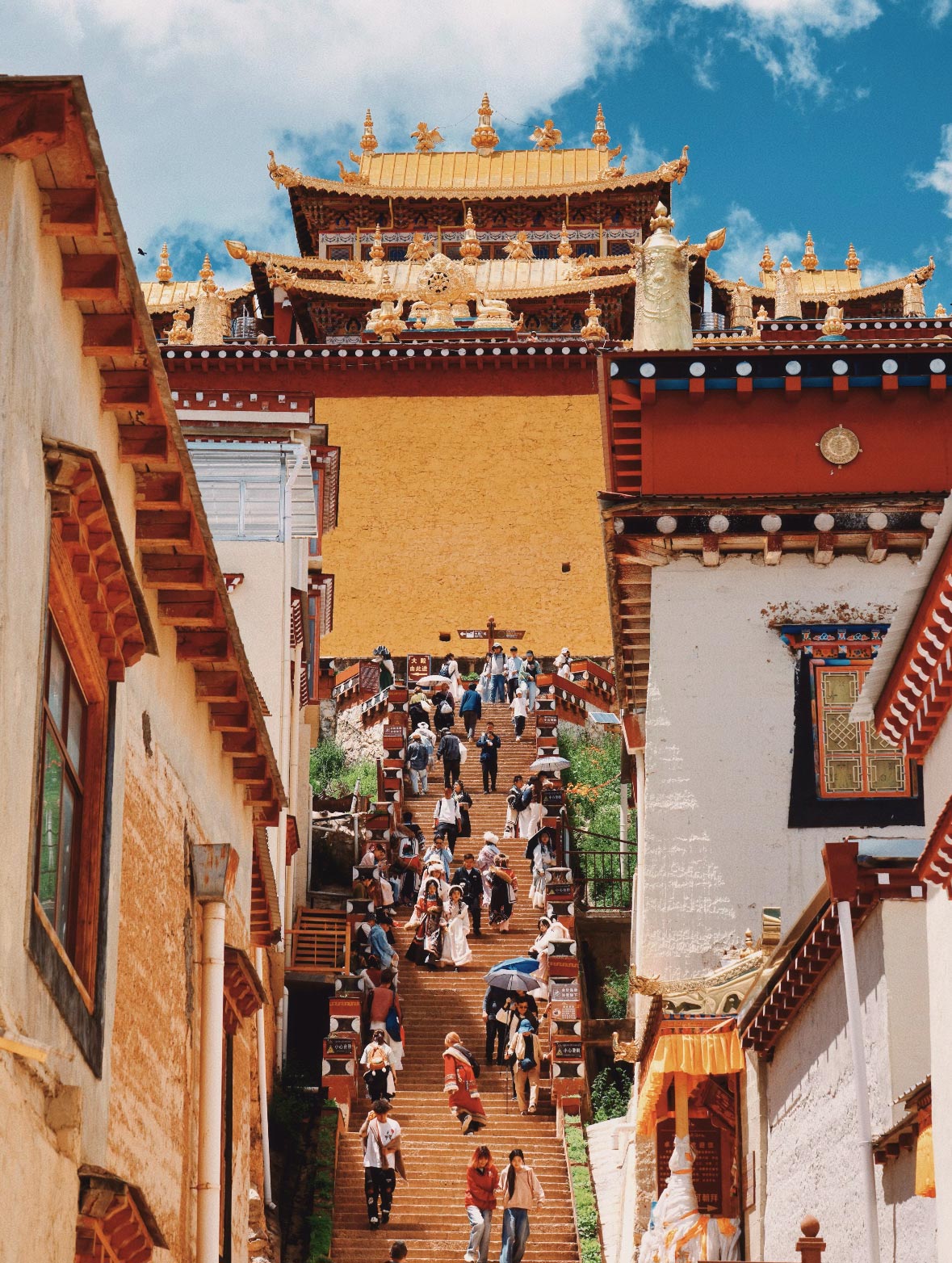
Yet the most touching moments often come unannounced: a Bai grandmother embroidering tie-dye cloth on her doorstep in Dali, a Naxi elder strumming the sanxian lute in Lijiang’s Four-Square Street, or a Tibetan herdsman in Shangri-La guiding his yaks while humming pastoral songs. Life here is like an unadorned folk tune—simple, raw, and full of vitality.
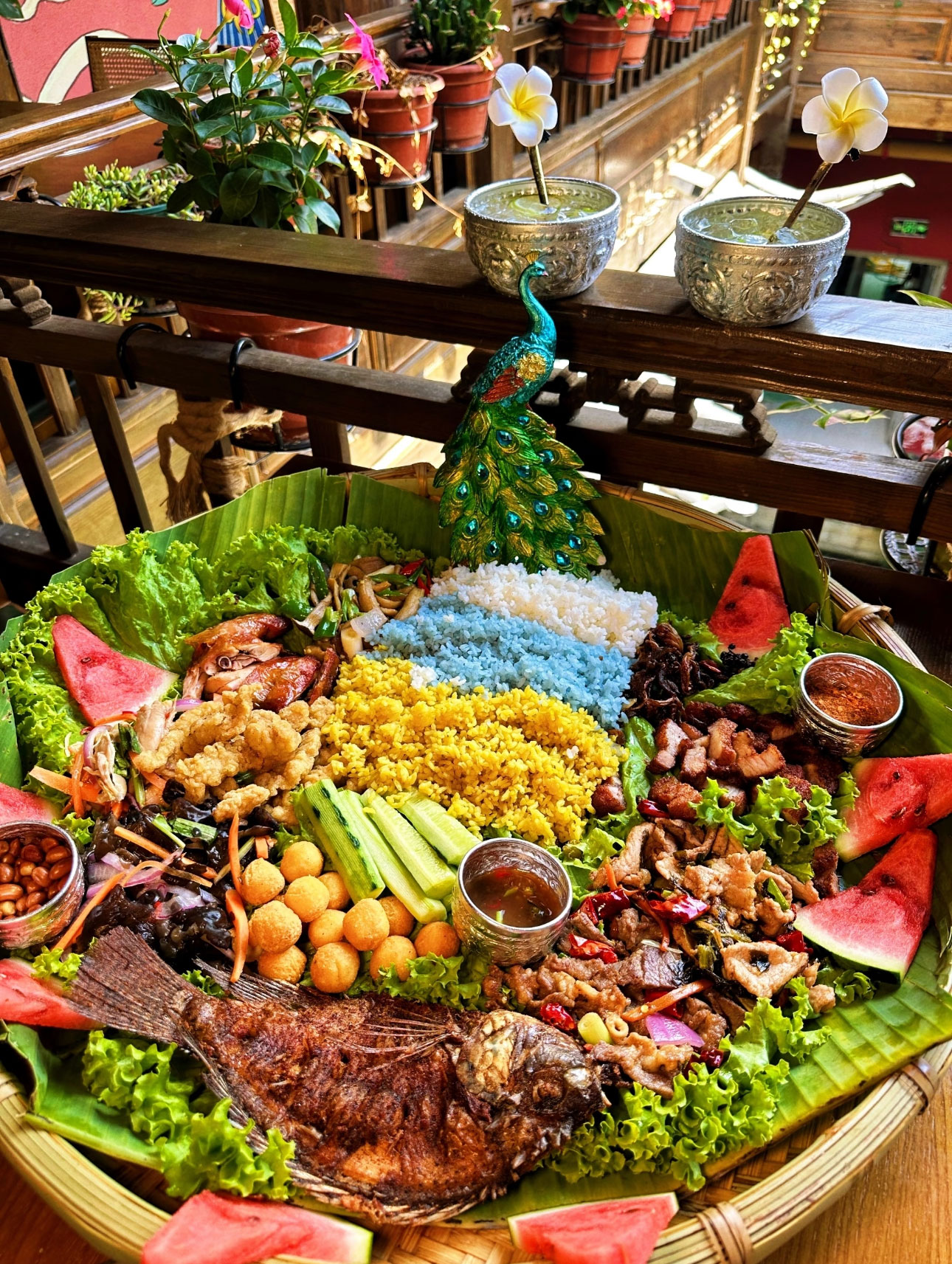
Yunnan cuisine is famed for its freshness, fragrance, and bold sour-spicy notes:
• Crossing-the-Bridge Rice Noodles: A steaming broth with delicate slices of meat, vegetables, and rice noodles cooked instantly in the bowl—an iconic Yunnan specialty.
• Steamed Pot Chicken (Qiguo Ji): Cooked in a clay pot with herbal steam, the chicken is tender, aromatic, and nourishing.
• Flower Pastries: Filled with roses and jasmine, crisp outside and soft within, they taste like springtime in every bite.
• Wild Mushroom Hotpot: In rainy season, matsutake, porcini, and other fungi fill the pot with earthy aromas—a true “flavor code of nature.”
• Dai-Style Hand-Eaten Feast: A banquet served on banana leaves, with sticky rice, grilled fish and meat, and spicy nammi dips—eaten with your hands for a wild, authentic taste.
• Lijiang Old Town (UNESCO World Heritage): Stone-paved lanes, flowing canals, and Naxi architecture form a living museum. At dawn, sunlight paints the rooftops of Wangu Tower; by night, folk songs float from riverside bars.
• Dali Old Town & Erhai Lake: Whitewashed Bai villages dot the western shore, while Shuanglang Town on the east is praised as the “jewel of Cangshan and Erhai.” Cycling around the lake is a journey through romance and serenity.
• Stone Forest: A karst wonder of limestone pinnacles, often likened to a natural sculpture gallery. The “Ashima” peak tells a touching love legend.
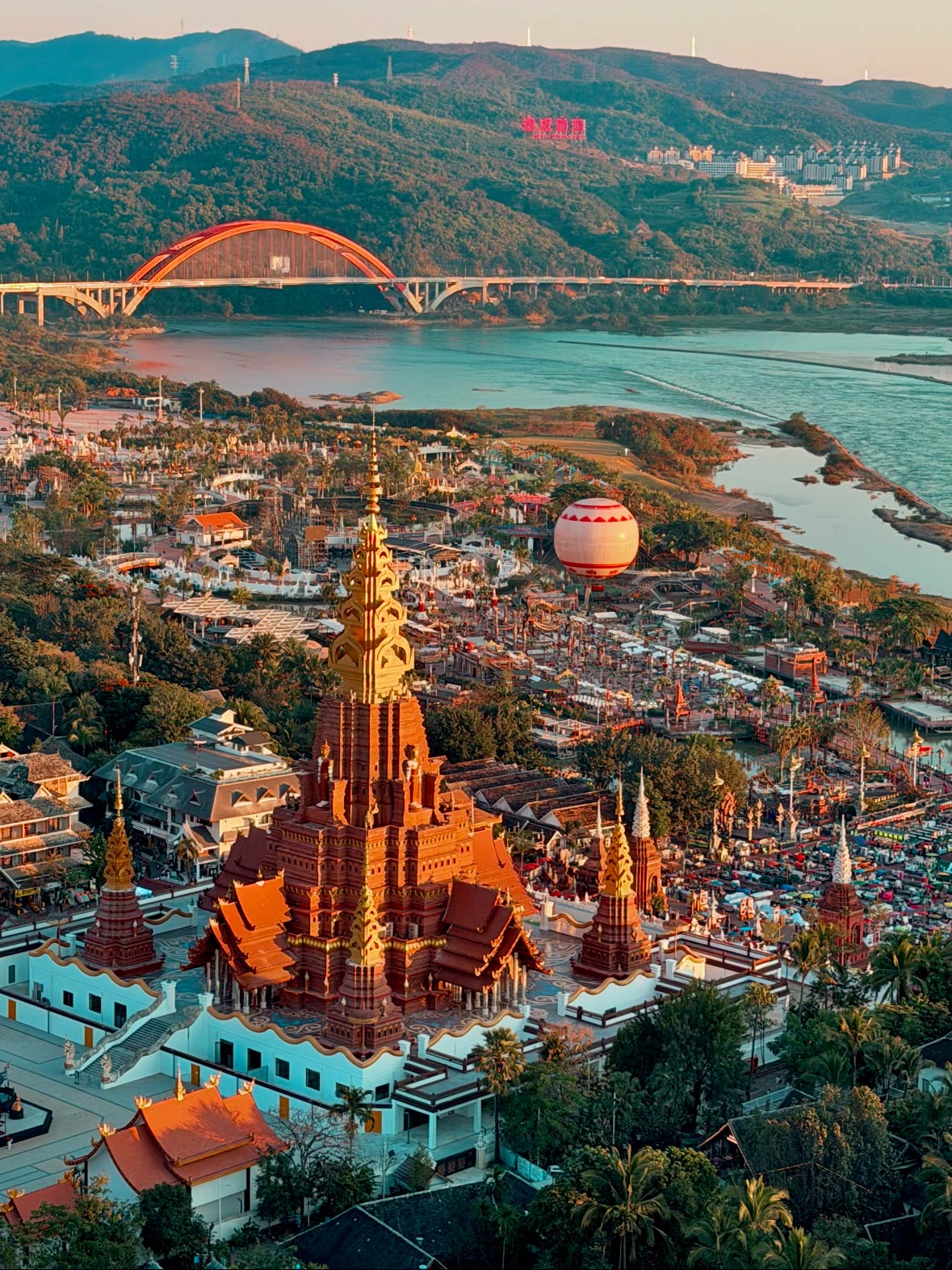
• Xishuangbanna: A tropical paradise of rainforests and Dai traditions, best experienced during the vibrant Water-Splashing Festival.
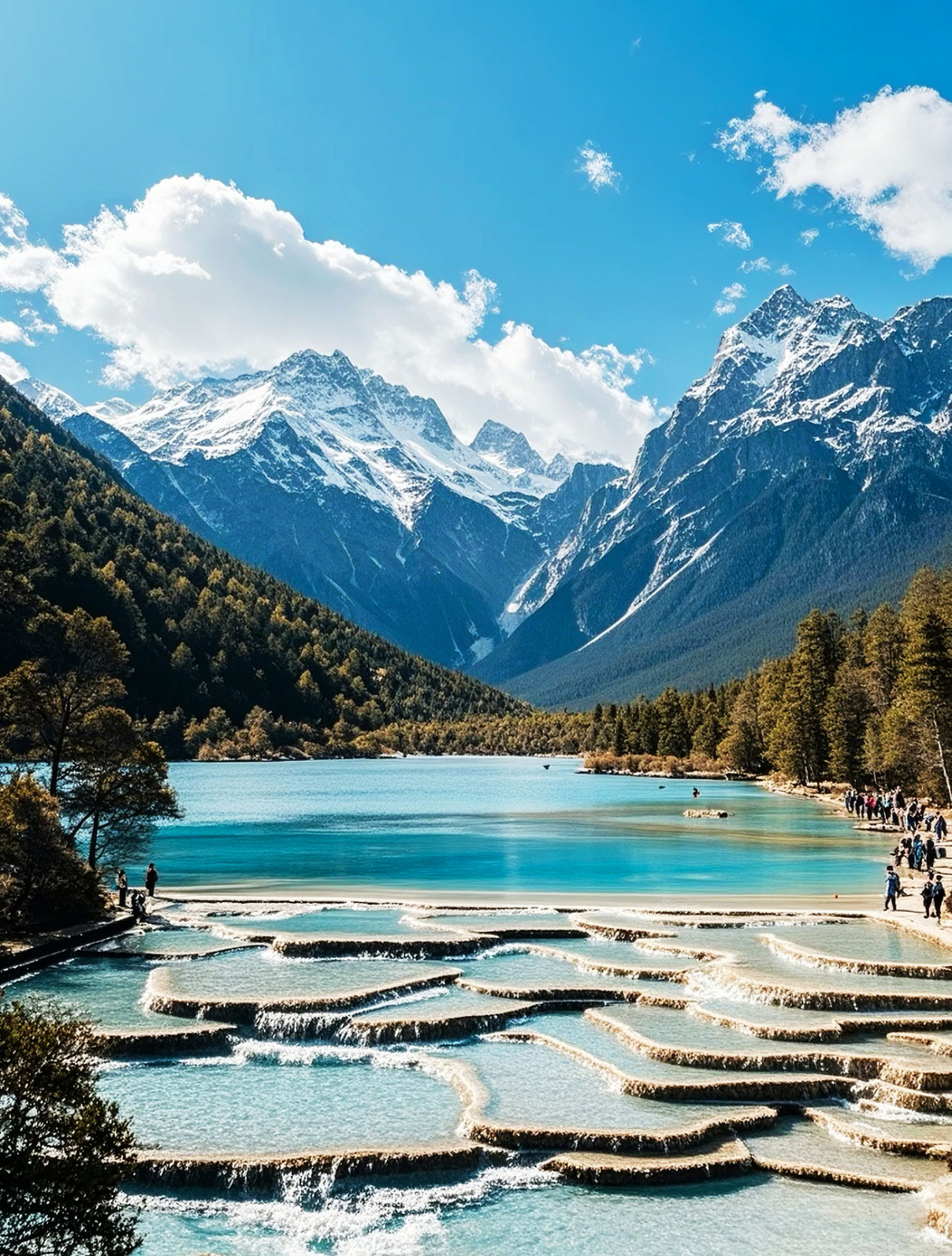
• Jade Dragon Snow Mountain: Sacred to the Naxi people, its 13 snow peaks tower into the sky. At 4,680 meters, the viewing platform reveals glaciers, clouds, and a panorama of staggering beauty.
• Pudacuo National Park: Shangri-La’s ecological gem, where alpine lakes and forests shift colors with the seasons—perfect for hiking and birdwatching.
• Yuanyang Rice Terraces: A thousand-year-old masterpiece sculpted by the Hani people—shimmering water mirrors in spring, golden waves of rice in autumn, often embraced by morning clouds like a dreamscape.
Each Yunnan city has its own character:
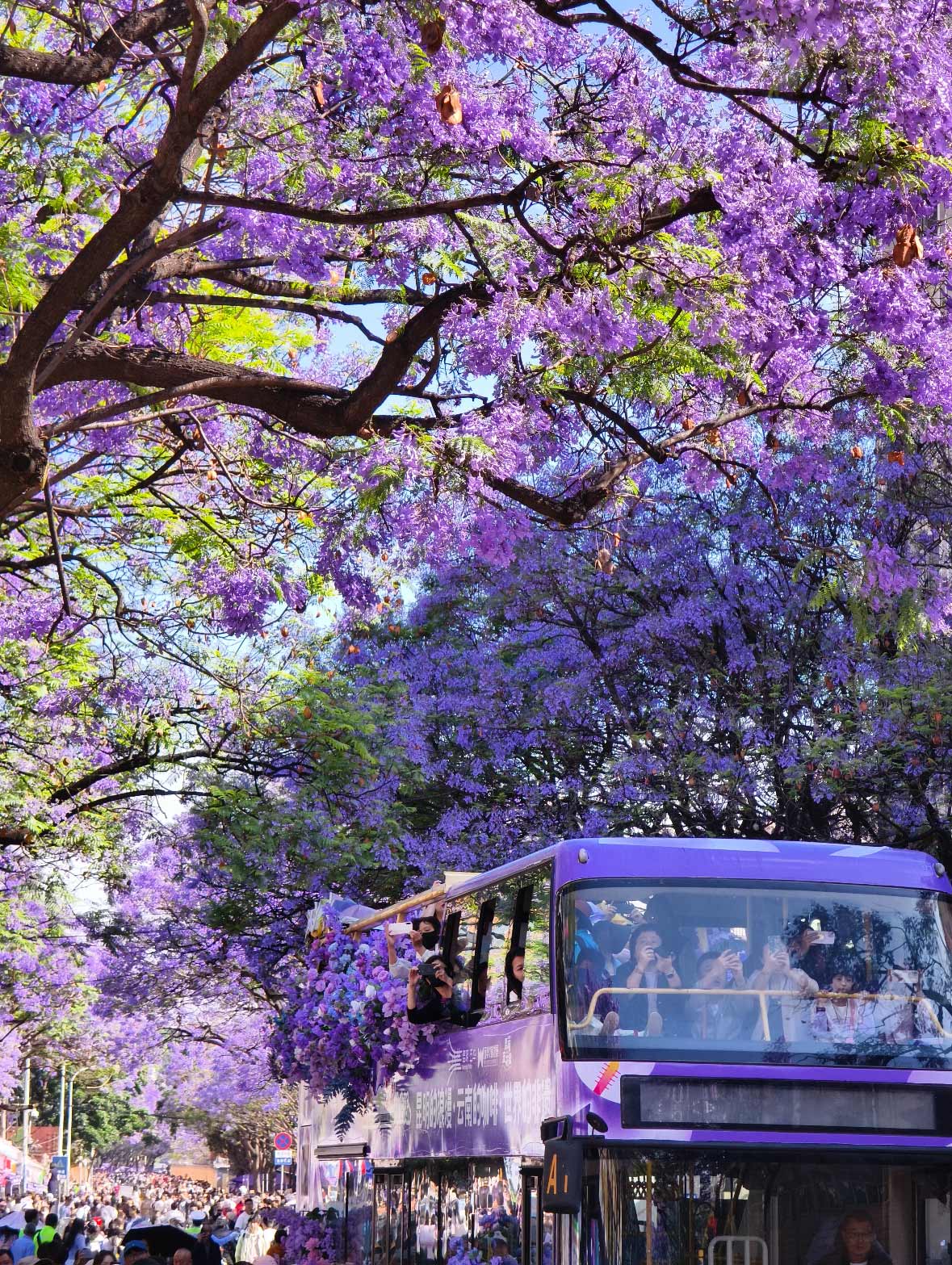
• Kunming, the “Spring City,” is blessed with a mild climate year-round.
• Dali and Lijiang preserve the essence of ancient towns and ethnic heritage, ideal for slow-paced cultural immersion.
• Xishuangbanna offers a tropical escape of rainforests, elephants, and Dai traditions.
Life here follows a slower rhythm: morning tai chi in leafy parks, leisurely tea sessions with Pu’er in afternoon teahouses, and bustling night markets where the scent of grilled rice cakes and fried potatoes mingles with cheerful chatter. In Yunnan, you’ll realize that travel is not just about covering distance—it’s about embracing life in its purest form.
Curious where your China journey could take you? Start here and tell us what you’re dreaming of.
SIGN UP