(+86) 19121971501

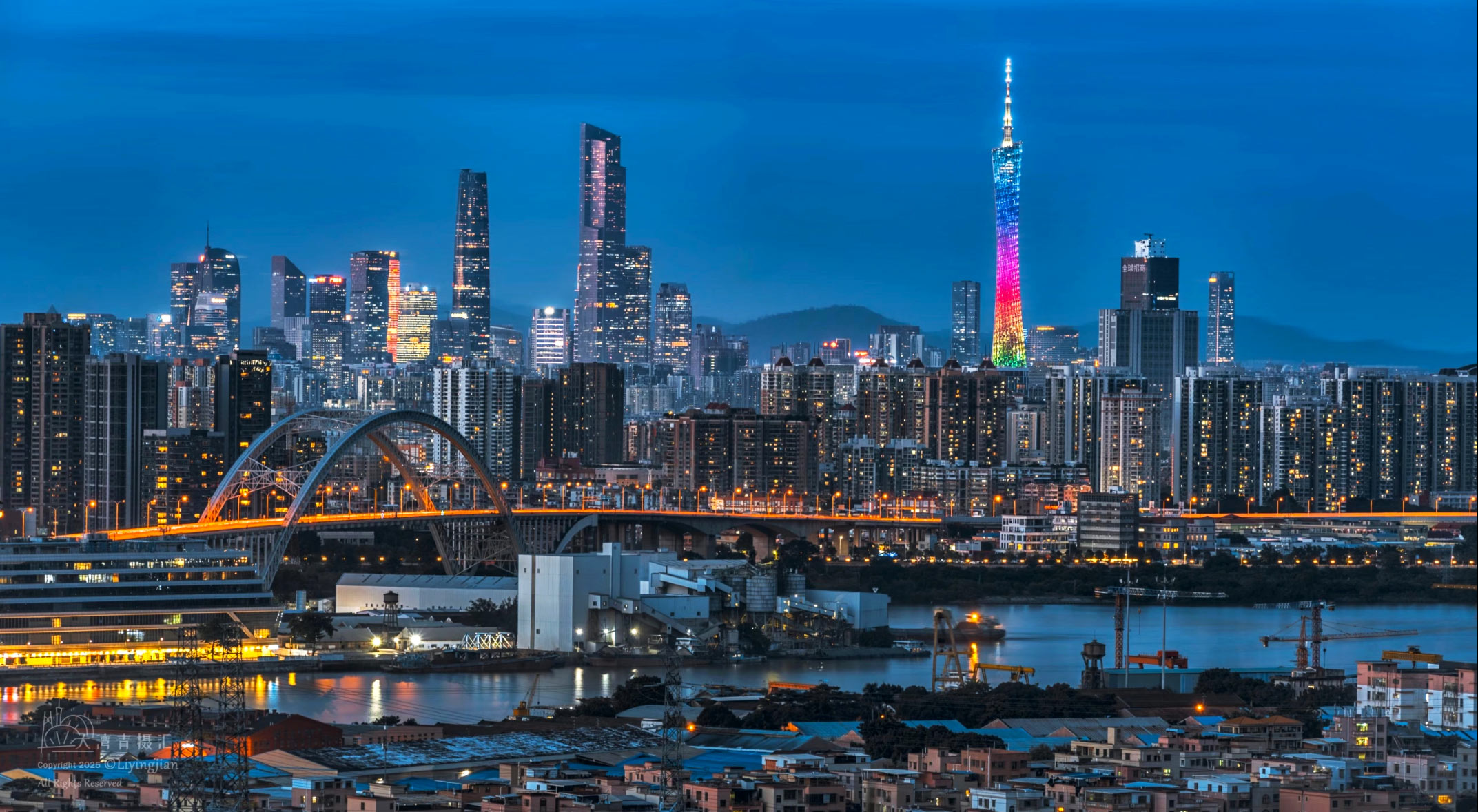
On the banks of the Pearl River, Guangzhou shines like a radiant jewel—carrying the legacy of a thousand-year-old trading city while pulsing with the rhythm of modern life. It was once the starting point of the Maritime Silk Road, the cultural heart of Lingnan, and is today renowned as the “Food Capital of China.” Here, history speaks through the shadows of arcaded streets, life lingers in the fragrance of morning dim sum, and the city’s future gleams in the dazzling lights of the Canton Tower.
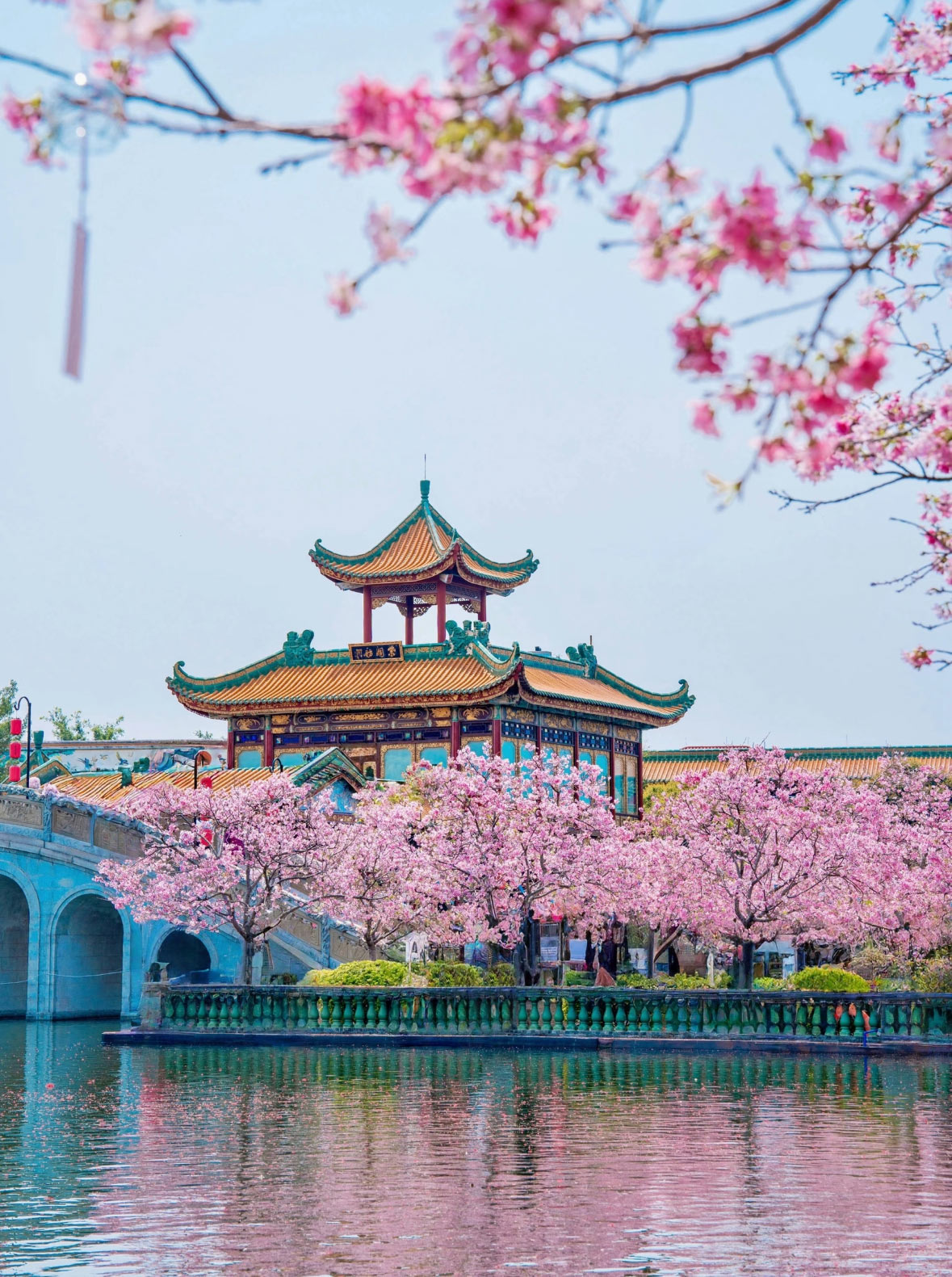
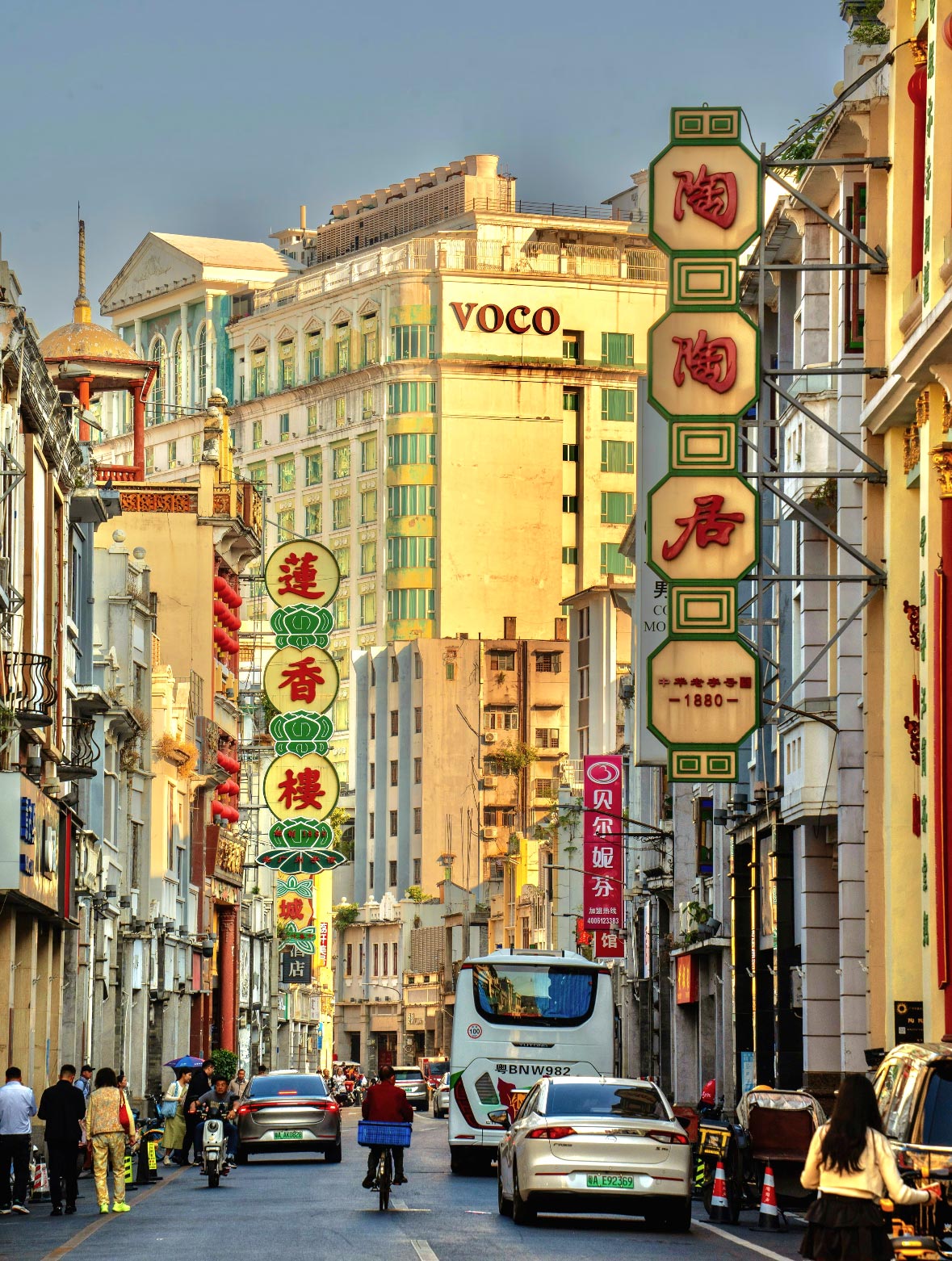
Guangzhou’s story is one of coexistence with the sea. As early as the Qin and Han dynasties, it was already a vital southern port, known as Panyu. As the starting point of the Maritime Silk Road, ships set sail from here, carrying silk and porcelain to Southeast Asia and beyond.
With over 2,200 years of urban history, Guangzhou stands as one of China’s earliest open ports. Ancient Litchi Bay and the European-style architecture of Shamian Island contrast beautifully with the skyscrapers of Zhujiang New Town, reflecting the city’s ever-renewing vitality.
As the cradle of Lingnan culture, Guangzhou resonates with Cantonese traditions. The Cantonese dialect flows like music, subtle and expressive. Cantonese opera, known as the “Red Bean of the South,” tells timeless stories with graceful gestures. Dragon boat racing and lion dances are not just performances, but traditions deeply woven into daily life.
Local artistry flourishes here: Cantonese embroidery brings flowers and birds to life with delicate stitches; olive-pit carving creates entire worlds on a grain-sized canvas; Cantonese music, with its pipa and gaohu melodies, drifts through alleys, coexisting harmoniously with modern pop.
Famed as the birthplace of Cantonese cuisine, Guangzhou is a true paradise for food lovers:
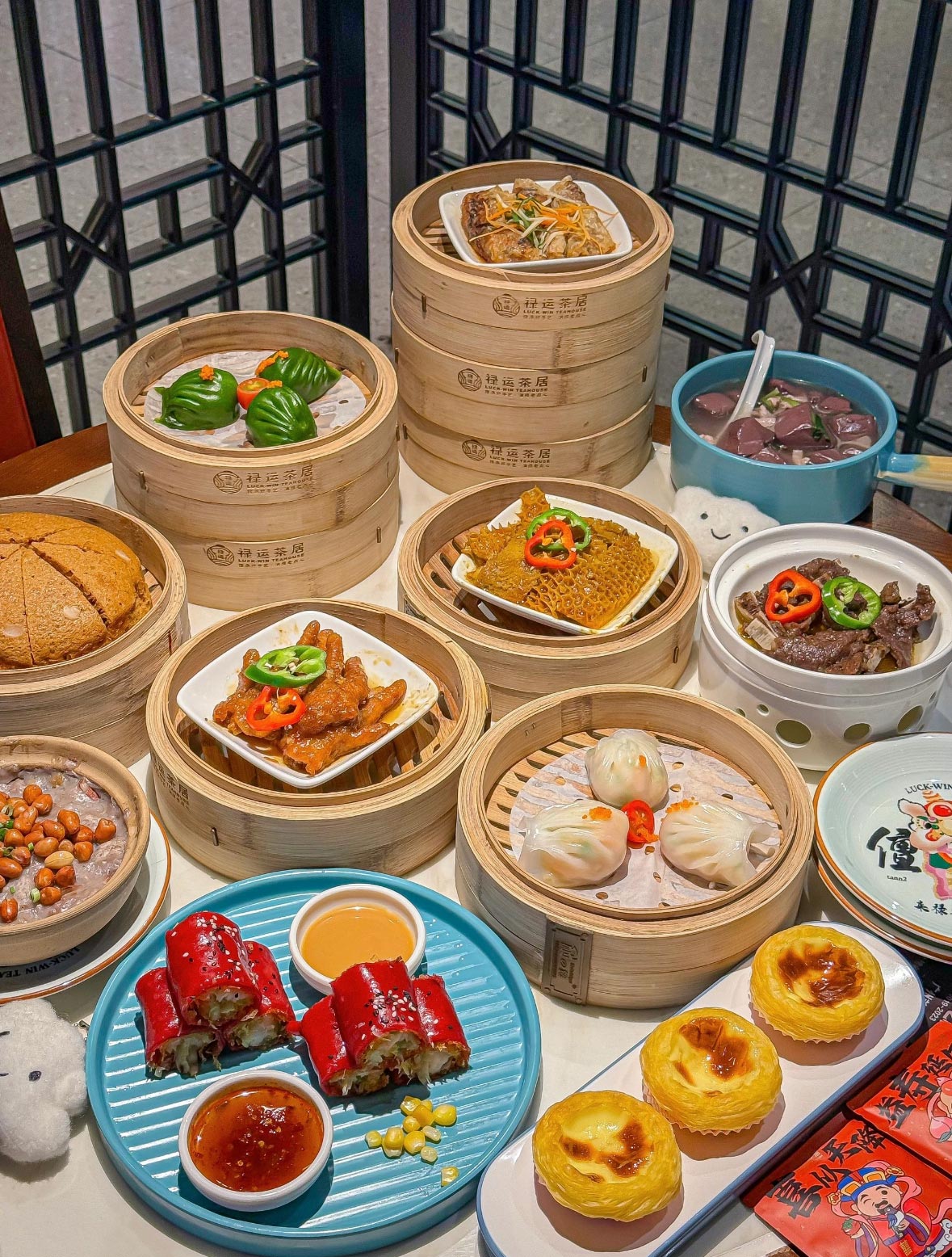
• Morning Dim Sum: Shrimp dumplings, siu mai, rice rolls, and BBQ pork buns are daily rituals, paired with a pot of Pu’er or Tieguanyin tea. A morning dim sum session is as much about conversation as it is about flavor.
• Roast Meats: Crispy-skinned roast goose, honey-glazed char siu, and silky white-cut chicken—each dish a centerpiece of Cantonese dining.
• Boat Congee: Once created by boat dwellers on the Pearl River, this velvety congee blends fish slices, pork skin, and peanuts for warmth and comfort.
• Street Snacks: Beef offal stew simmered to perfection, golden sesame balls, and hearty “Scholar’s Congee” — the aromas fill narrow alleys and draw you in.
• Sweet Treats: Double-skin milk pudding and Cantonese herbal desserts offer light, refreshing sweetness.
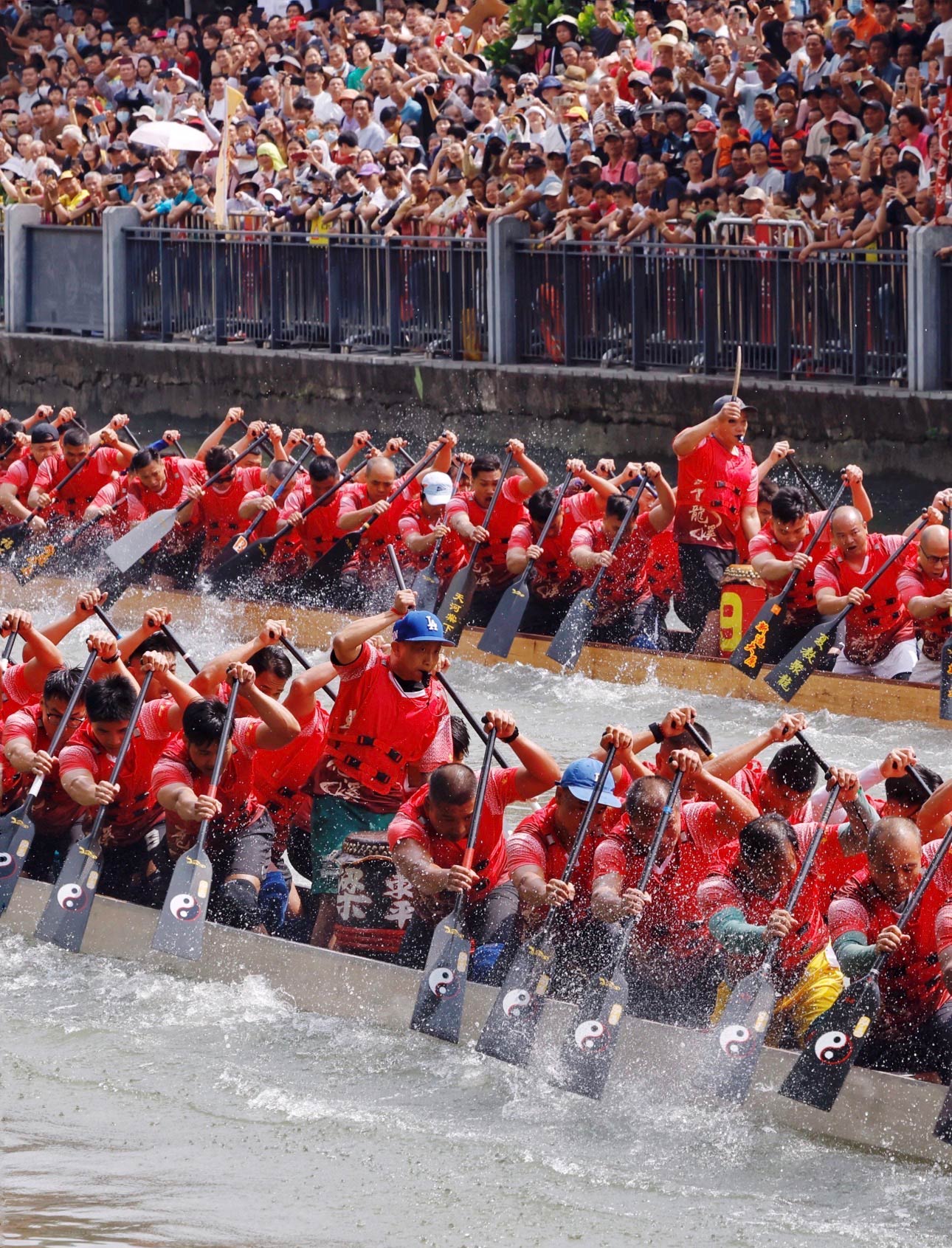
Guangzhou’s folk spirit thrives in both food and festivals, blending warmth with vitality.
Before Spring Festival, Flower Fairs turn streets into seas of blossoms, where buying kumquat trees symbolizes good fortune. During the Dragon Boat Festival, drums thunder across the Pearl River as boats race, followed by communal dragon boat feasts. In Mid-Autumn, families savor mooncakes alongside starfruit and pomelo, while children parade lanterns through alleys.
The daily ritual of morning tea (yum cha)— “a pot of tea, two dim sum” — is ingrained in local life. Sitting with family or friends, sipping tea and chatting, embodies the leisurely rhythm of Guangzhou.
• Chen Clan Ancestral Hall: A masterpiece of Lingnan architecture, adorned with exquisite carvings in brick, wood, stone, and ceramic.
• Pearl River Night Cruise: A romantic way to admire Guangzhou’s glittering skyline.
• Canton Tower (Xiaomanyao): The city’s modern landmark, soaring 600 meters high. Its colorful nighttime light shows illuminate Zhujiang New Town, symbolizing Guangzhou’s modern dynamism.
• Shamian Island: Once a foreign concession, its European-style villas, consulates, galleries, and cafés create a unique blend of East and West.
• Yuexiu Park: A cultural microcosm with the famous Five Rams Statue and remnants of the Ming Dynasty city wall.
• Beijing Road Pedestrian Street: The commercial heart of the city, where arcaded shops, historic relics beneath glass walkways, and trendy boutiques embody Guangzhou’s past and present.
• Baiyun Mountain: Known as the city’s “green lung,” its lush forests and streams offer a peaceful retreat from urban bustle.
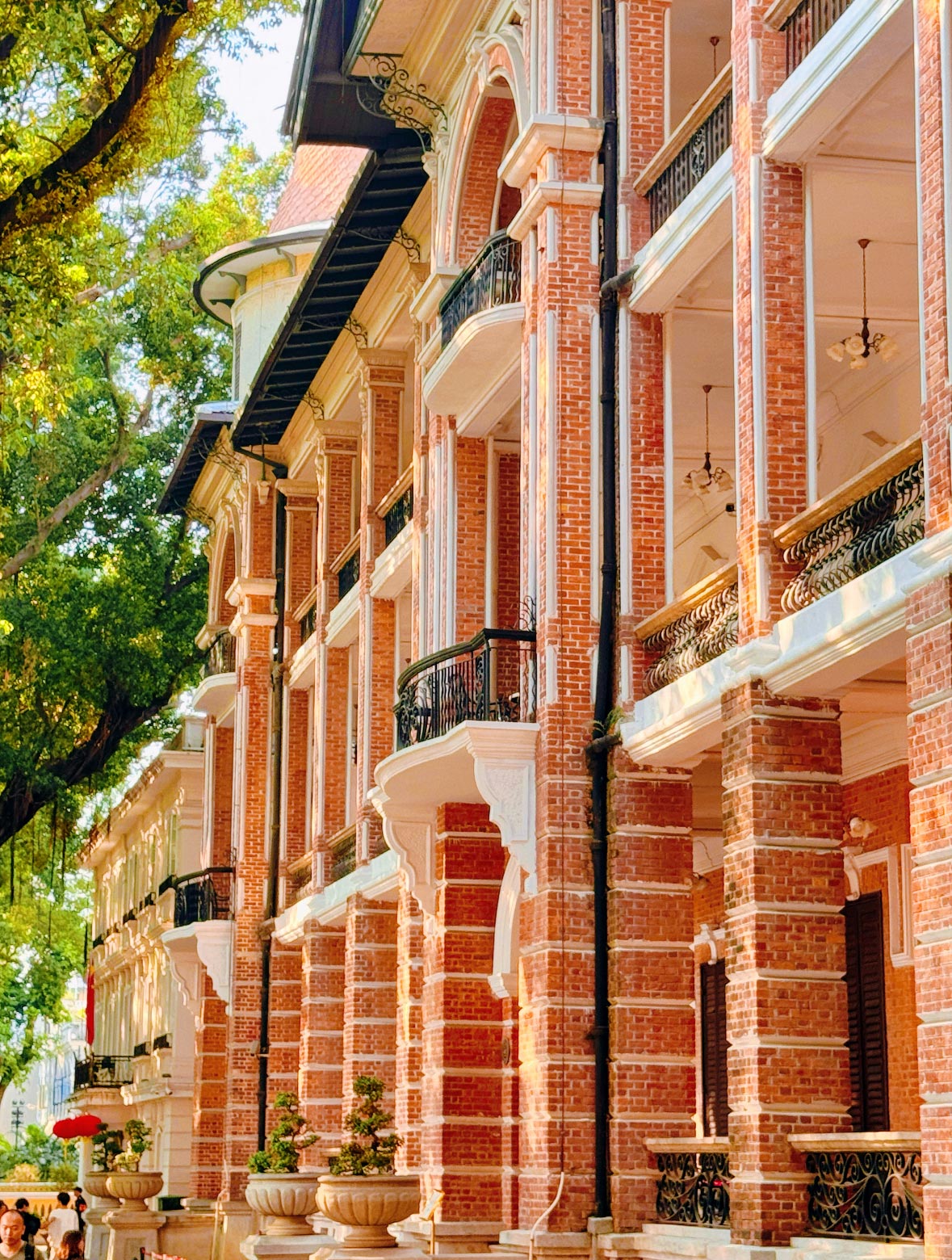
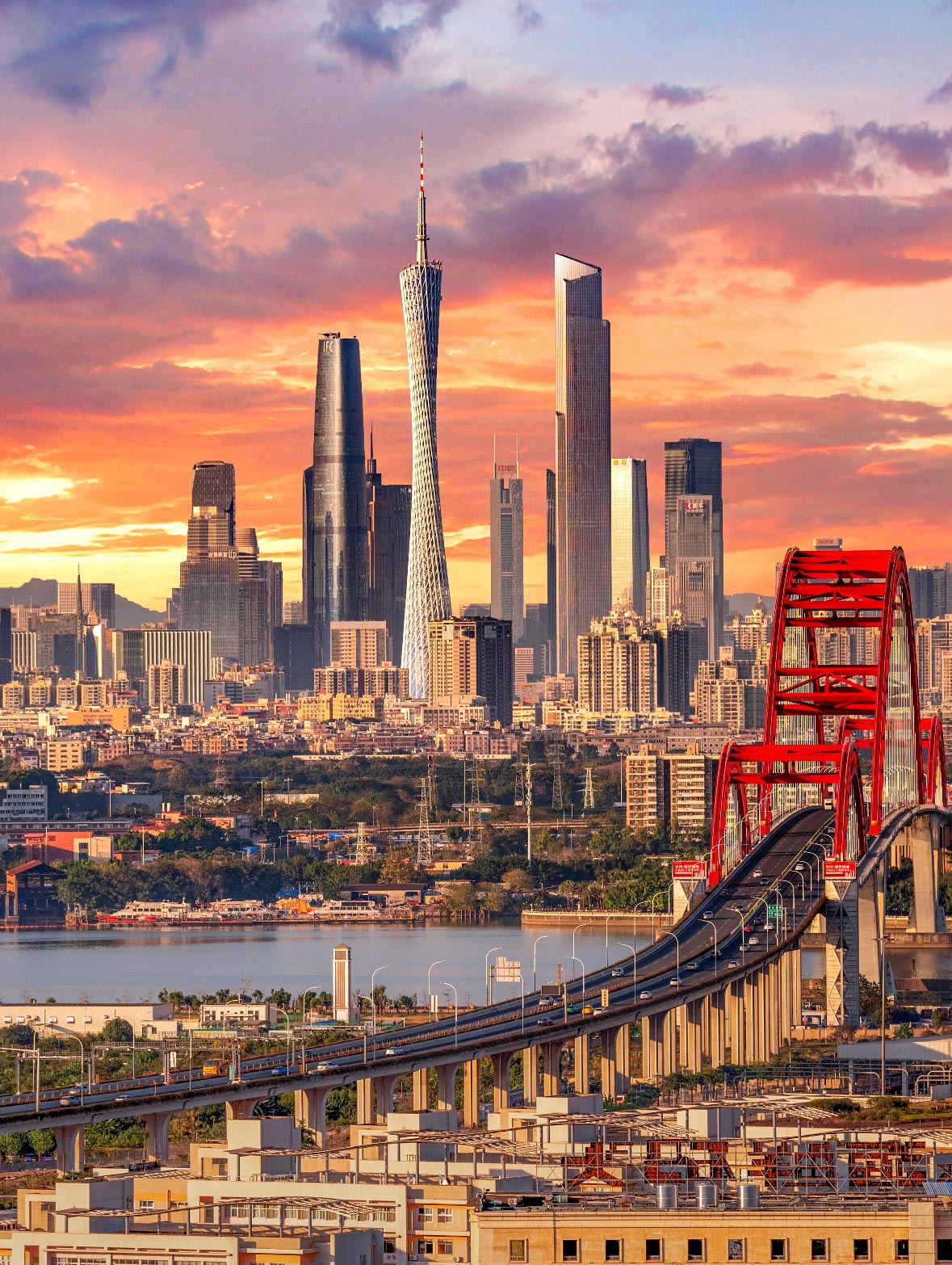
In Zhujiang New Town’s CBD, professionals stride briskly through skyscrapers, embodying the energy of a thousand-year-old trading hub. Yet in the old neighborhoods, elders play chess under banyan trees, and tea houses bustle with morning dim sum sessions that stretch until noon.
Guangzhou is inclusive and pragmatic: from street vendors’ lively calls to the neon lights of luxury malls, everyone finds their place. Cantonese and Mandarin blend seamlessly in conversation; time-honored shops preserve tradition while new brands push bold innovation. Here, you can touch the warmth of history and feel the pulse of modern life, finding your own rhythm in the balance of authenticity and progress.
Curious where your China journey could take you? Start here and tell us what you’re dreaming of.
SIGN UP