(+86) 19121971501

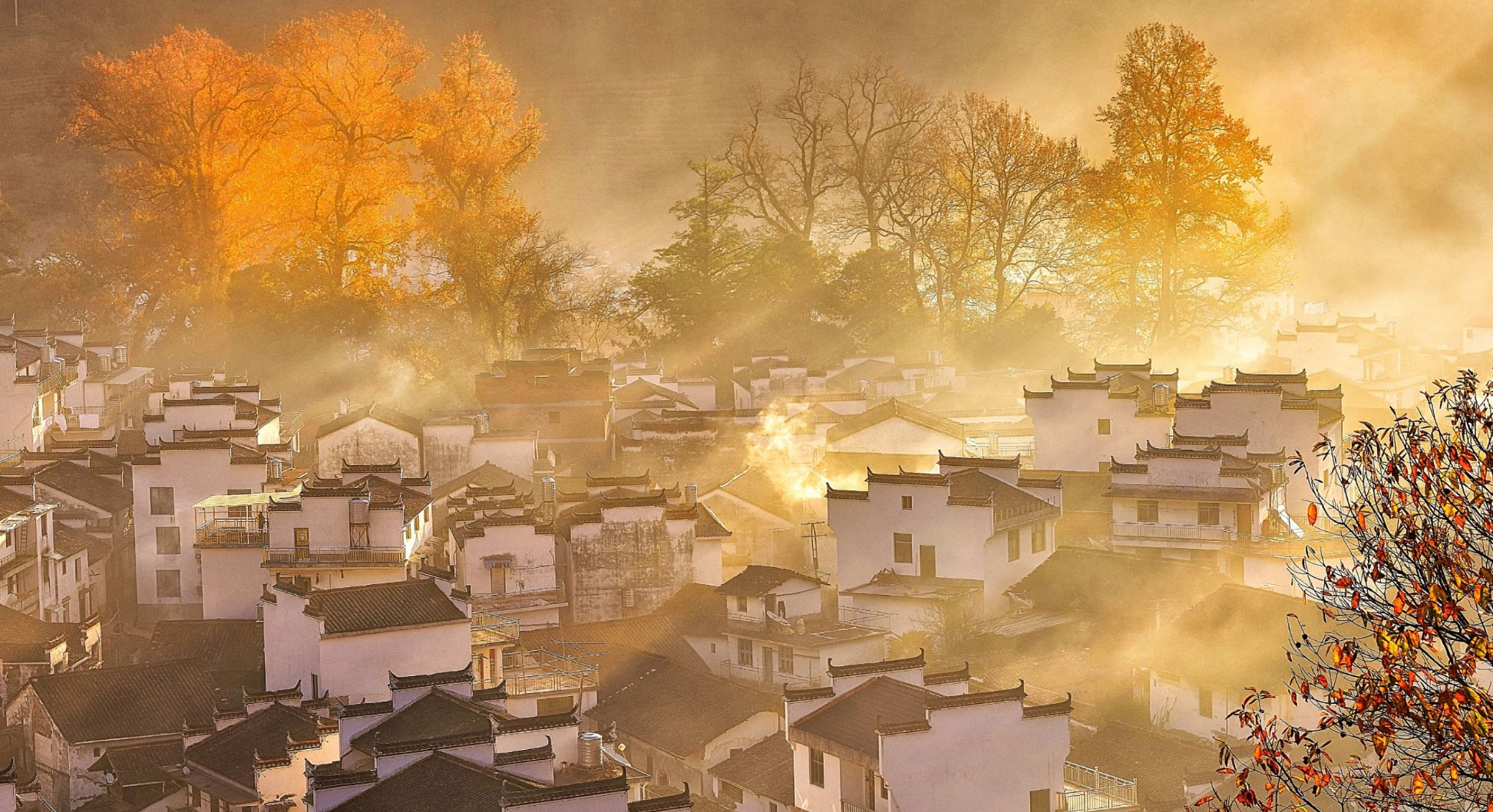
Begin your journey in Jiangxi, a land where history and nature intertwine to paint a vivid scroll of China’s soul. Starting from Nanchang, this province offers not only the red-hued memories of revolutionary beginnings, but also ancient cultural relics, timeless craftsmanship, and mouthwatering cuisine. Jiangxi is a place to be savored slowly—a poetic destination where heritage and heart converge.
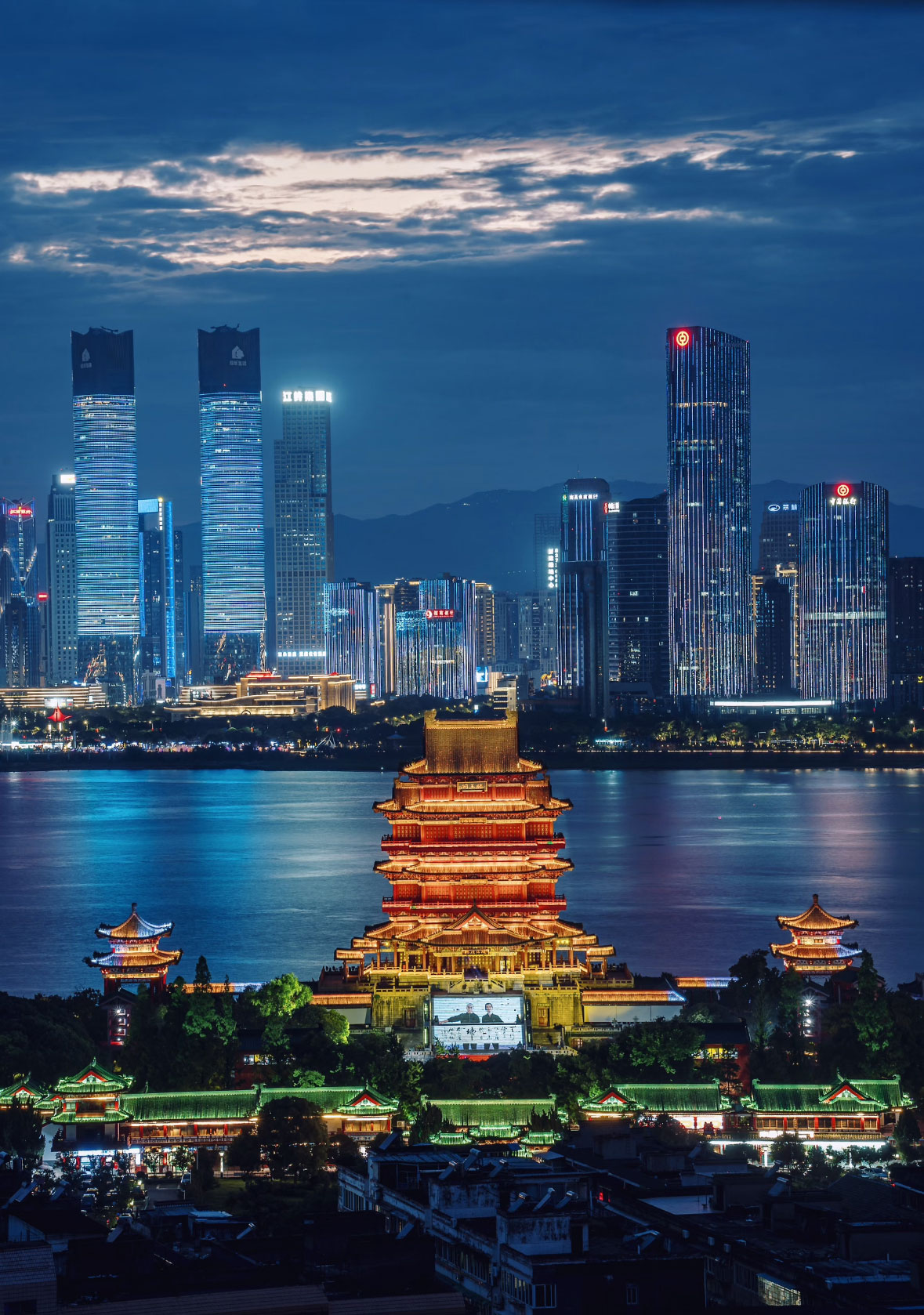
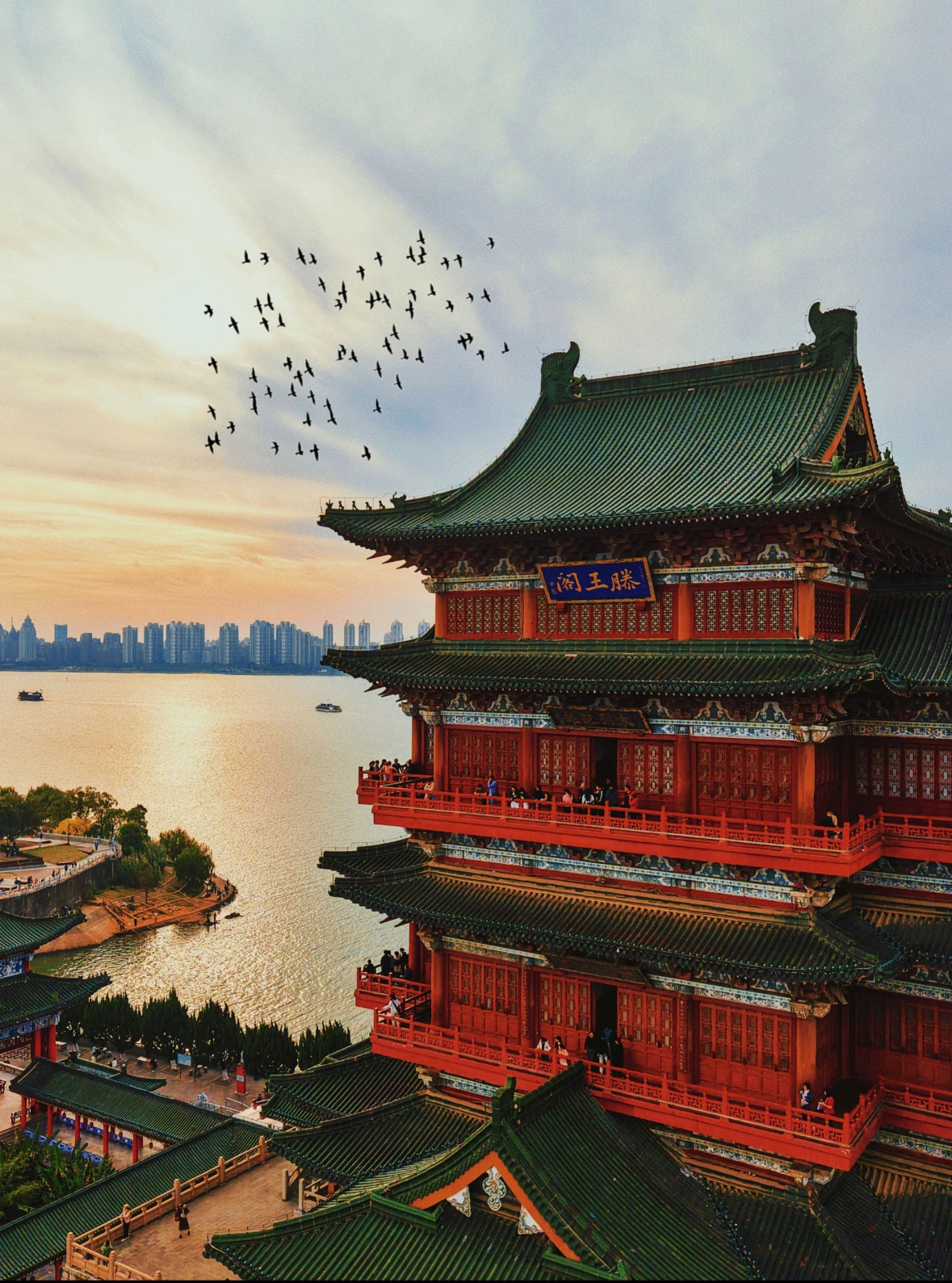
As the provincial capital, Nanchang is both a cradle of modern Chinese revolution and a city embraced by water and greenery.
• Tengwang Pavilion: A thousand-year-old tower first built in the Tang Dynasty, immortalized in the classic prose by Wang Bo—‘The setting sun and the solitary duck fly together…’
• August 1st Uprising Memorial Hall: A key site in the story of China’s revolution and the origin of Nanchang’s nickname, the City of Heroes.
• Gan River Promenade: At dusk, city lights ripple along the river’s surface—a gentle and romantic side of this historic city.
Jiangxi has long been a wellspring of Chinese scholarship and culture, producing legendary thinkers like Wang Anshi and Ouyang Xiu. The Confucian tradition, ancient academies, and regional art forms still thrive here today:
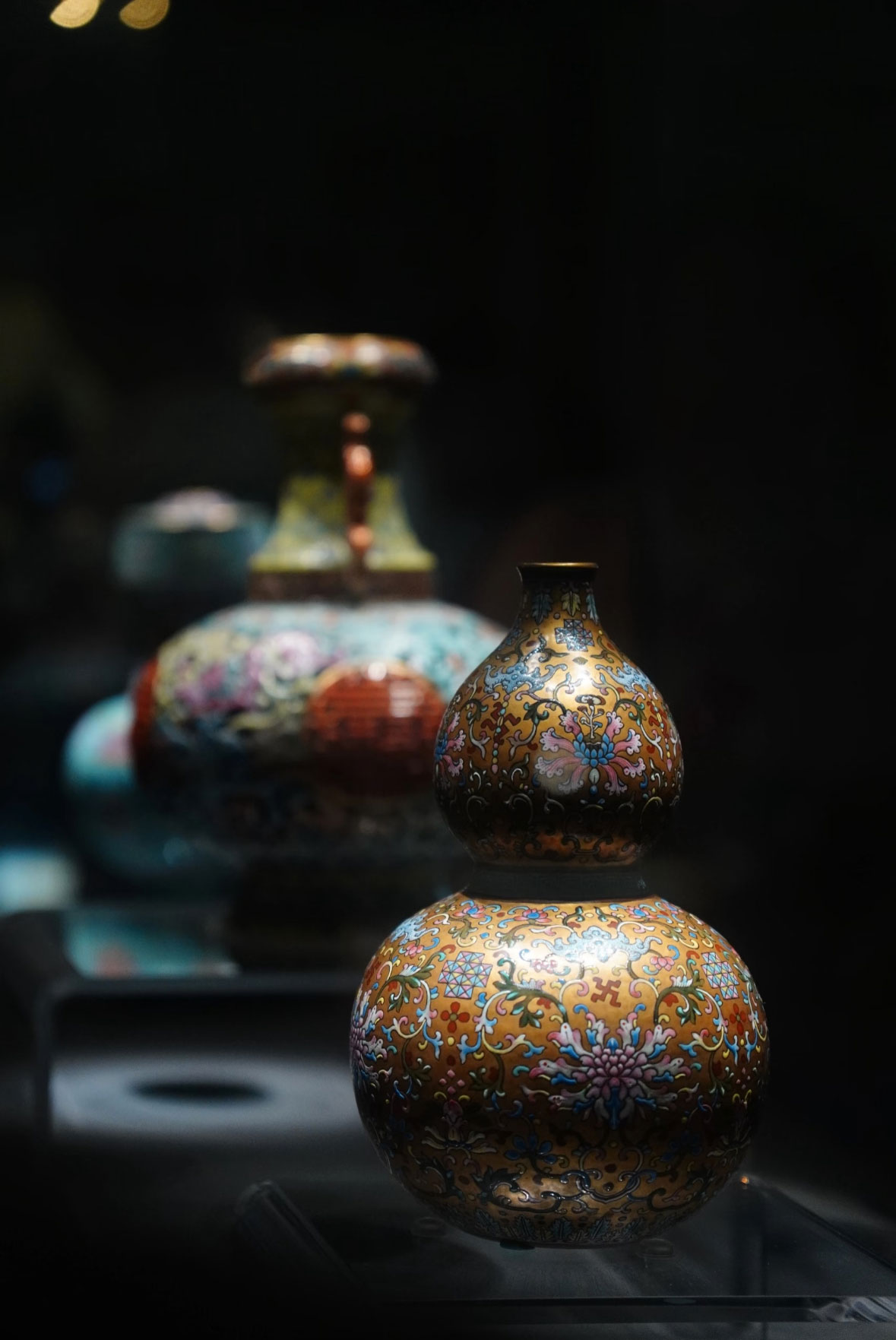
• Jingdezhen Porcelain: Known worldwide as the‘Porcelain Capital of the World,’it remains a powerful symbol of Chinese craftsmanship and intangible heritage.
• Paper-Cutting & Woodcarving: Folk arts infused with everyday aesthetics, often seen in festivals and temple fairs.
• Porcelain Panel Painting: A unique fusion of painting and ceramic art, this non-material heritage is native to Nanchang.
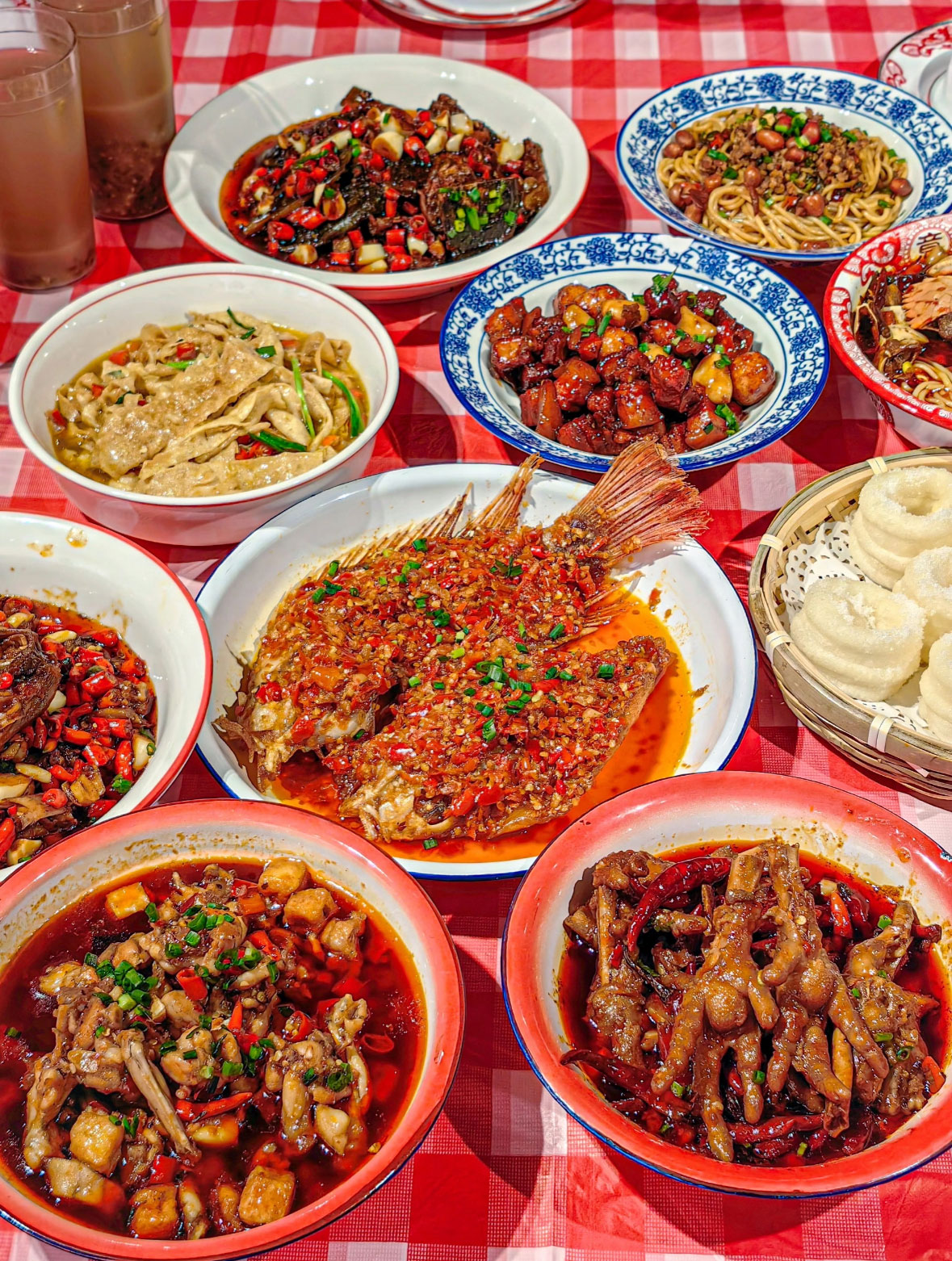
Jiangxi cuisine is known for its vibrant heat, savory depth, and pure ingredients—just like its people.
• Waguan Soup: Slow-cooked in traditional clay pots, this nourishing broth is a local comfort food in Nanchang.
• Stirred or Mixed Rice Noodles: A breakfast staple—simple yet endlessly satisfying.
• Three-Cup Chicken, Steamed Pork with Rice Flour, Fish Head with Tofu: Flavorful, hearty dishes that pair perfectly with rice.
In smaller towns, discover local delicacies and homemade rice wines passed down through generations—each meal a journey through time and tradition.
• Mount Lu (Lushan): Draped in mist and waterfalls, Lushan is famed for its poetic beauty and philosophical significance—‘the finest scenery under heaven.’
• Sanqing Mountain: A UNESCO site famed for Taoist culture, surreal granite peaks, and sea-of-cloud sunrises.
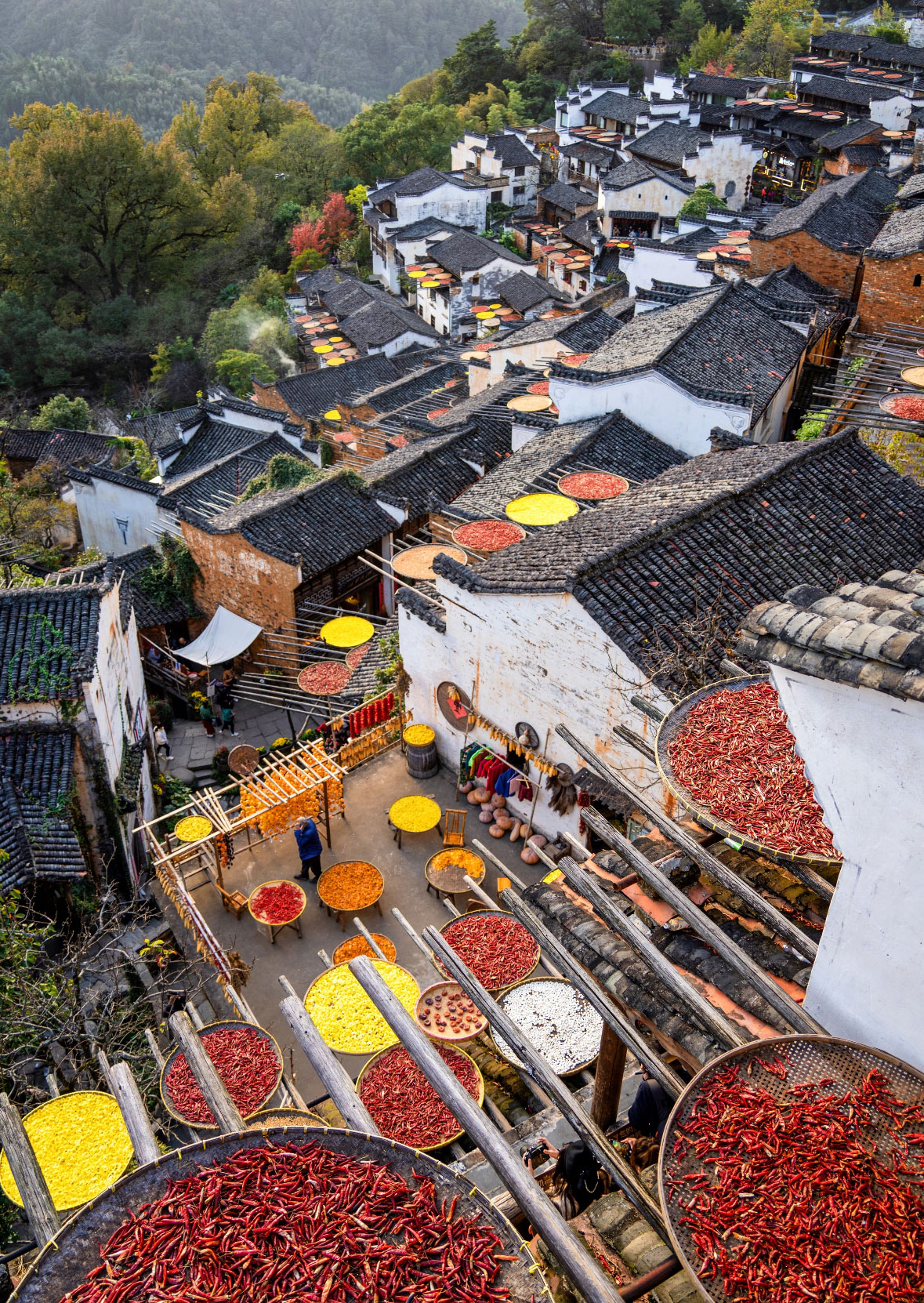
• Wuyuan: Often dubbed ‘China’s Most Beautiful Countryside,’ with springtime rapeseed flower fields and autumn harvest traditions—a haven for photographers and culture lovers.
• Jingdezhen: The world’s porcelain capital. Visit Taoxichuan Art District or the Imperial Kiln Museum to try your hand at pottery and feel the warmth of millennia-old craftsmanship.
• Jinggang Mountain: A cradle of China’s Red history, perfect for those wishing to explore the roots of modern revolution.
Curious where your China journey could take you? Start here and tell us what you’re dreaming of.
SIGN UP