(+86) 19121971501

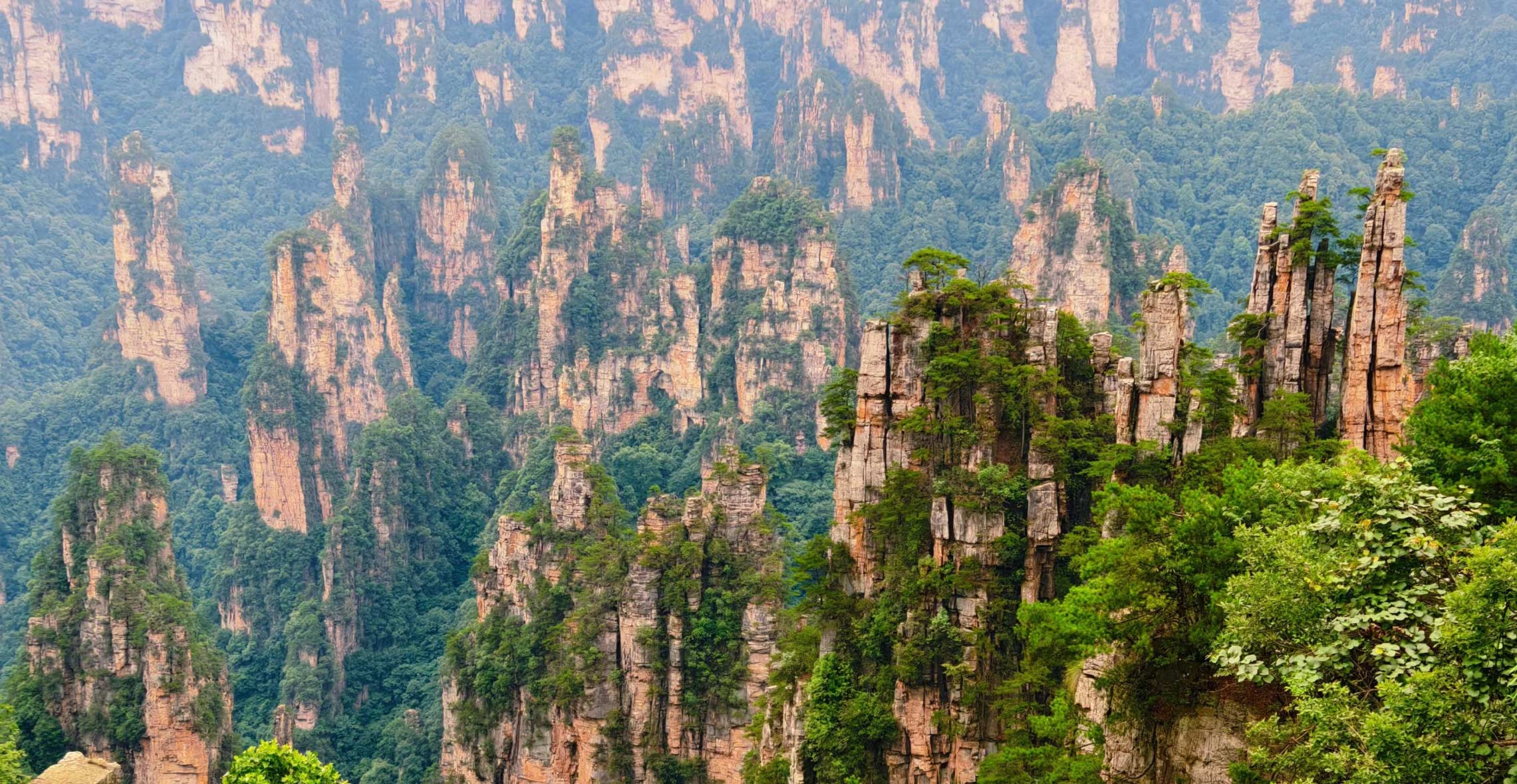
Nestled in the northwest of Hunan Province, Zhangjiajie is a mountain-and-water sanctuary renowned for its breathtaking peaks, seas of clouds, deep gorges, and primeval forests. It is home to China’s first national forest park and holds the rare dual titles of UNESCO World Natural Heritage and World Geopark. Countless films and artworks have drawn inspiration from its scenery, yet only by standing amid these wonders can you truly feel its majesty and vitality.
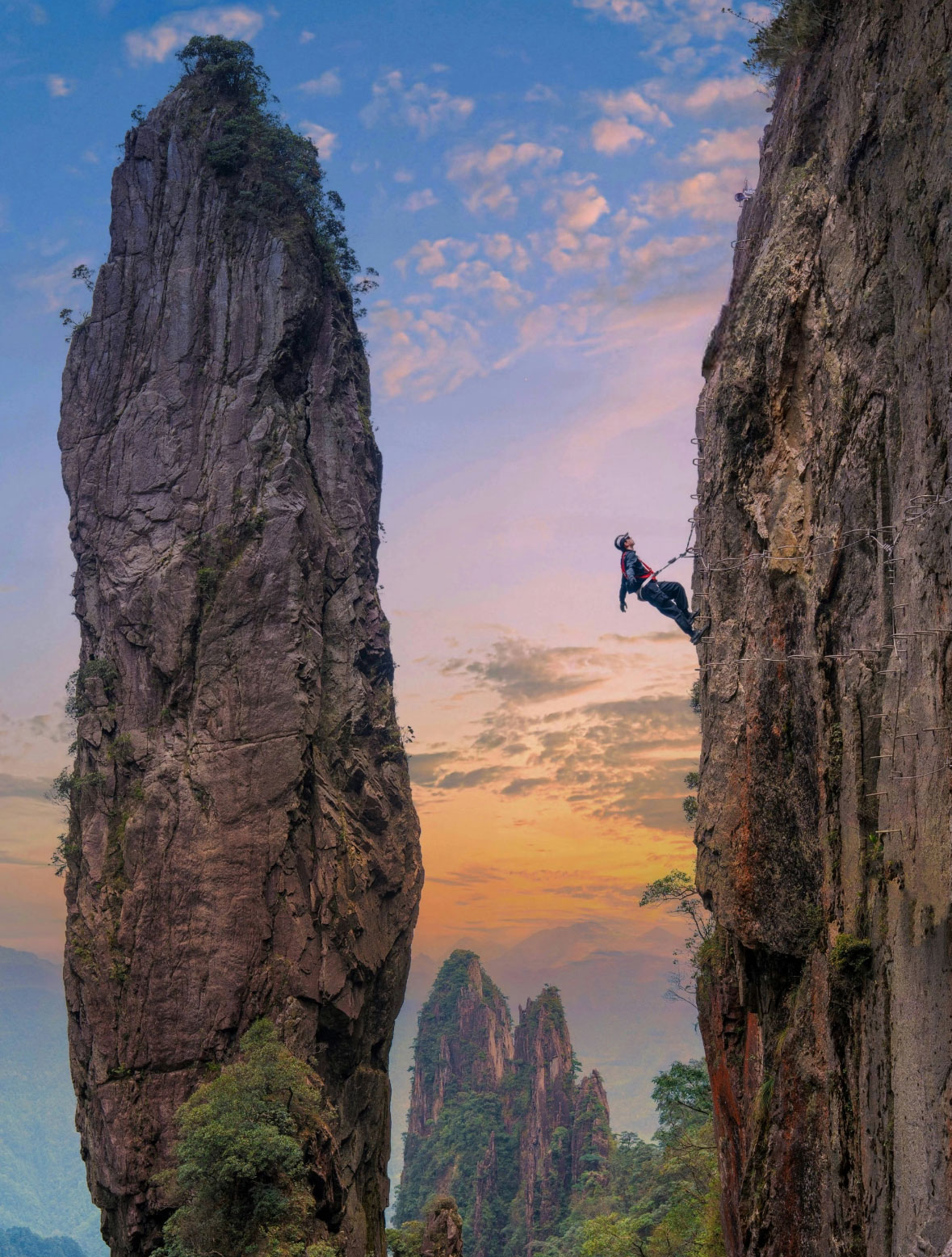
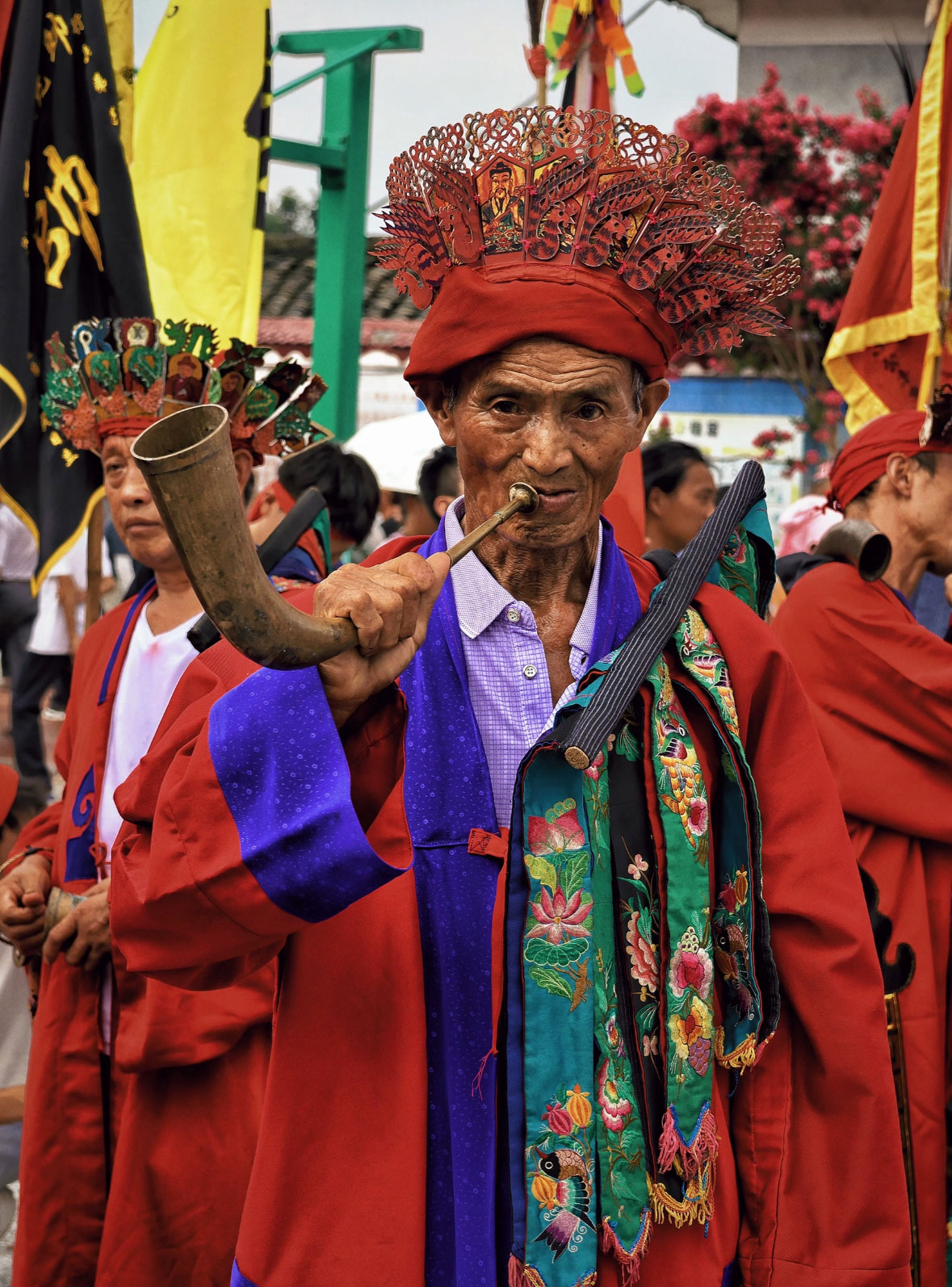
Zhangjiajie has long been home to the Tujia, Miao, Bai, and other ethnic groups. The Tujia people have thrived here for centuries, leaving behind the mysterious legends of the Ba people and the iconic stilted houses that cling to the hillsides. From ancient stone carvings along mountain trails to the soulful folk songs echoing during village festivals, every detail speaks of a history lived in harmony with nature.
The Tujia Baishou Dance and Maogusi Dance are primitive yet expressive, vividly portraying scenes of daily life and the spirit of the Tujia people.Tujia brocade, with its vivid colors and intricate patterns, reflects the artistry, wisdom, and love for life of the Tujia women.
The Bai people’s Long Drum Dance is vibrant and powerful—dancers dressed in bright costumes beat long drums as they dance, radiating passion and energy.
The Miao are masters of silverwork; their silver ornaments, both striking and intricate, are more than decoration—they are living symbols of Miao heritage.
• “June 6” Festival: A traditional Tujia celebration featuring the Baishou Dance and antiphonal folk singing that lasts all night.
• “Ganqiu Festival” (Autumn Swing Festival): A Miao tradition where people gather to swing, play games, sing, and dance; young men and women often meet and court during the festivities.
• “San Yue Jie” (Third Month Fair): A grand Bai festival combining trade, horse racing, singing, and dancing to celebrate the harvest and pray for favorable weather.
• Making Glutinous Rice Cakes & Oil Tea Soup: Join villagers in stilted houses to prepare these traditional delicacies and experience the warm hospitality of Western Hunan.
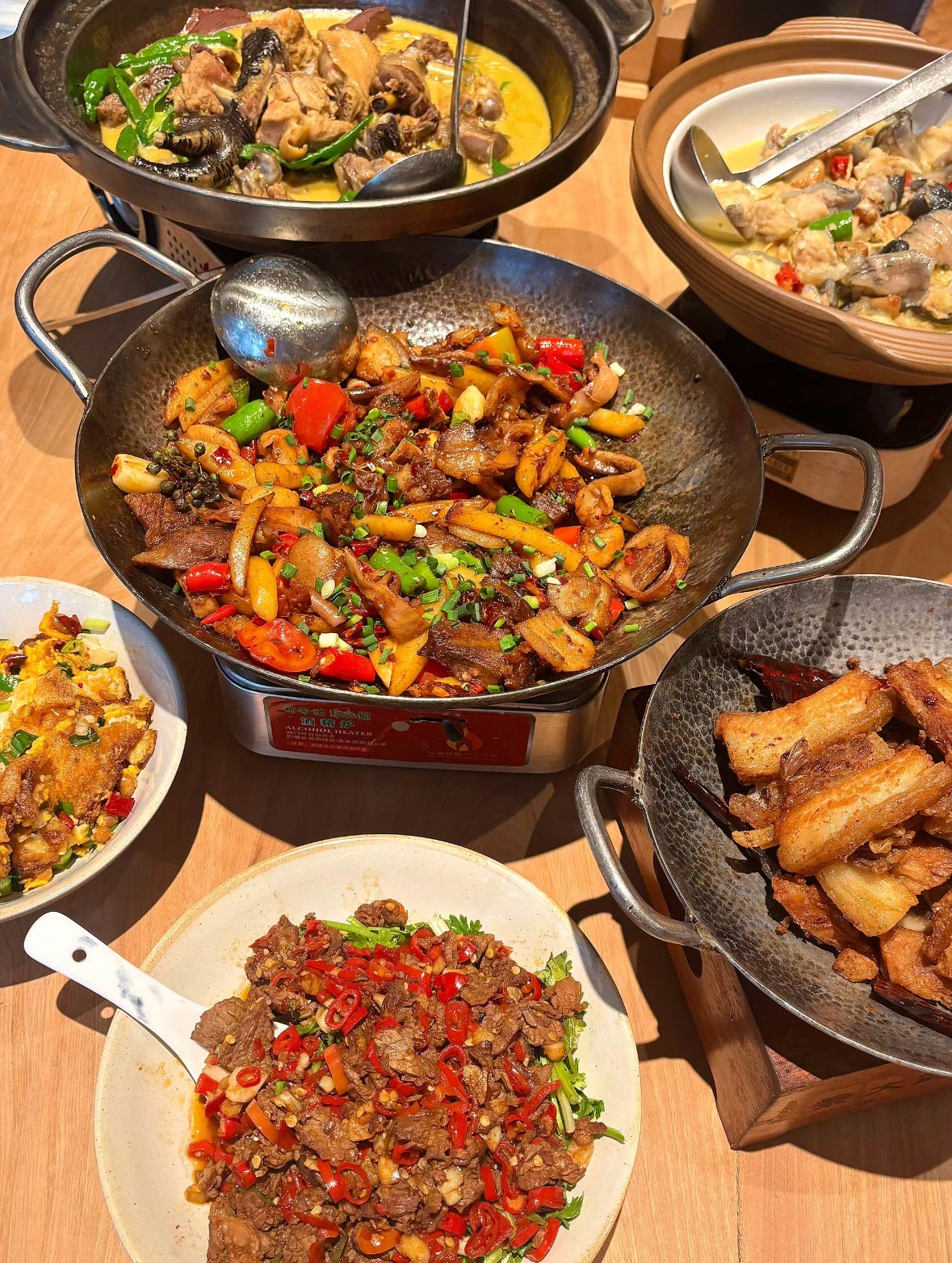
• Sanxiaoguo: A signature Tujia dish simmering cured meat, tofu, and seasonal vegetables together—rich, savory, and full of spice for those who love a bold kick.
• Rock Fungus Stewed Chicken: Rock fungus, found on sheer cliff faces, is highly nutritious and delicious. Stewed with free-range chicken, it creates a fragrant, hearty soup with a distinctive taste.
• Xiangxi Cured Pork: Prepared using time-honored curing and smoking techniques, this pork is golden, firm yet tender, with an irresistible smoky aroma.
• Artemisia Rice Cakes: Made with young mugwort leaves and glutinous rice flour, these soft, subtly sweet cakes carry a gentle herbal fragrance.
• Lei Tea: A beloved drink of the Tujia, Bai, and other groups—tea leaves, sesame, peanuts, ginger, and more are ground into a paste, then whisked with hot water to create a thick, aromatic brew.
• Zhangjiajie National Forest Park: Famed for its quartz-sandstone pillars, here ‘three thousand peaks’ rise in fantastical shapes while ‘eight hundred streams’ weave below. The crystal-clear Golden Whip Stream meanders through the park. Yuanjiajie is the inspiration for the Hallelujah Mountains in Avatar, and spots like the Enchanting Terrace and the ‘Heaven and Earth Column’ leave visitors awestruck.
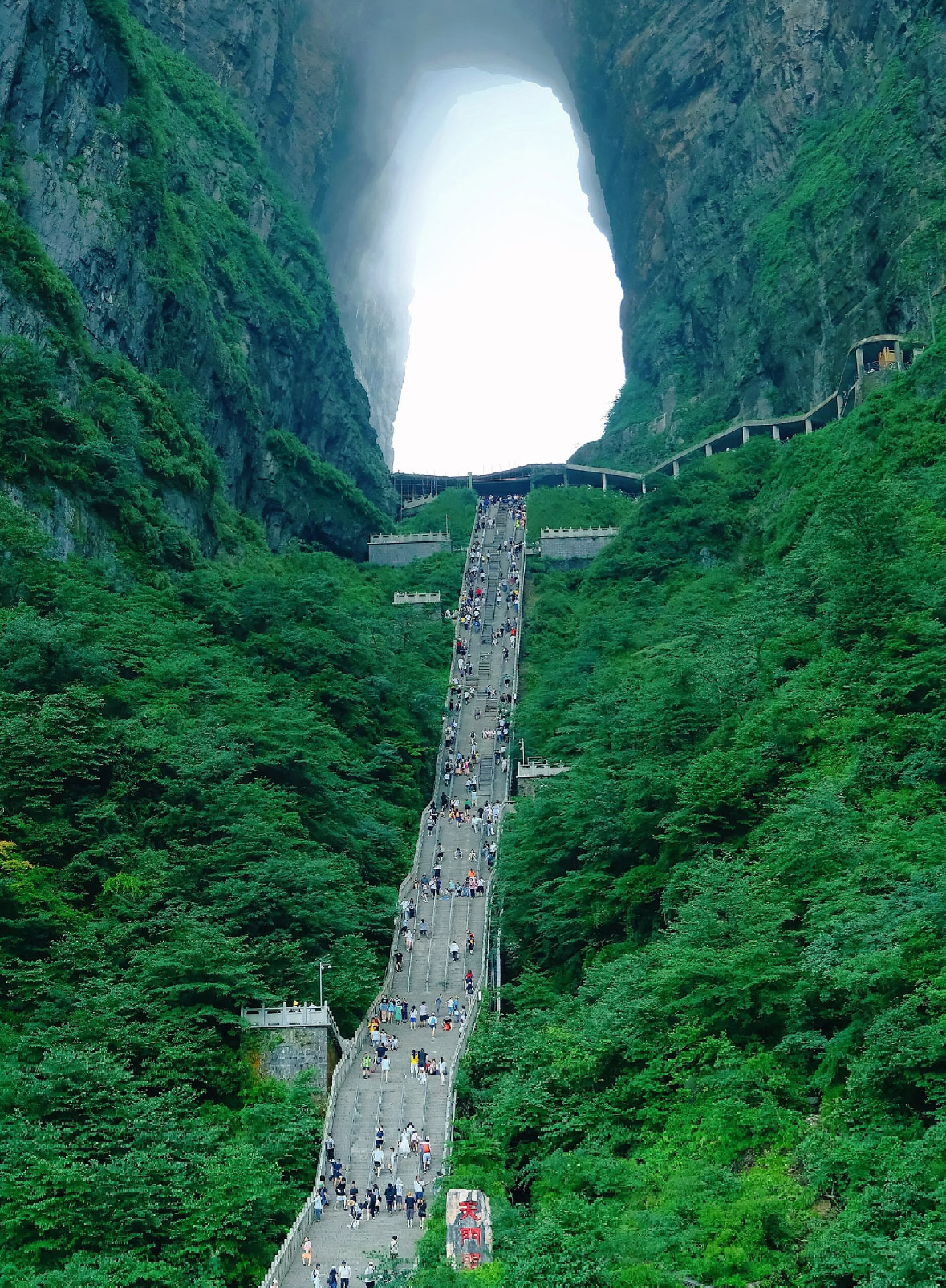
• Tianmen Mountain: Known as ‘the first sacred mountain of Western Hunan,’ it boasts the world’s longest high-altitude passenger cableway (7,455 m). Ride above cliffs and valleys, then tackle the ‘Avenue Towards Heaven’—99 sharp bends winding up the mountainside like a dragon.
• Huanglong Cave: A vast karst wonder nicknamed the ‘Underground Palace,’ adorned with a dazzling array of stalactites, stalagmites, and stone curtains, all glowing under soft lighting.
• Baofeng Lake: Dubbed the ‘model of world lakes,’ this high-gorge lake shimmers with emerald water. Baofeng Waterfall cascades down the cliffs in a torrent, like a silver ribbon from the heavens.
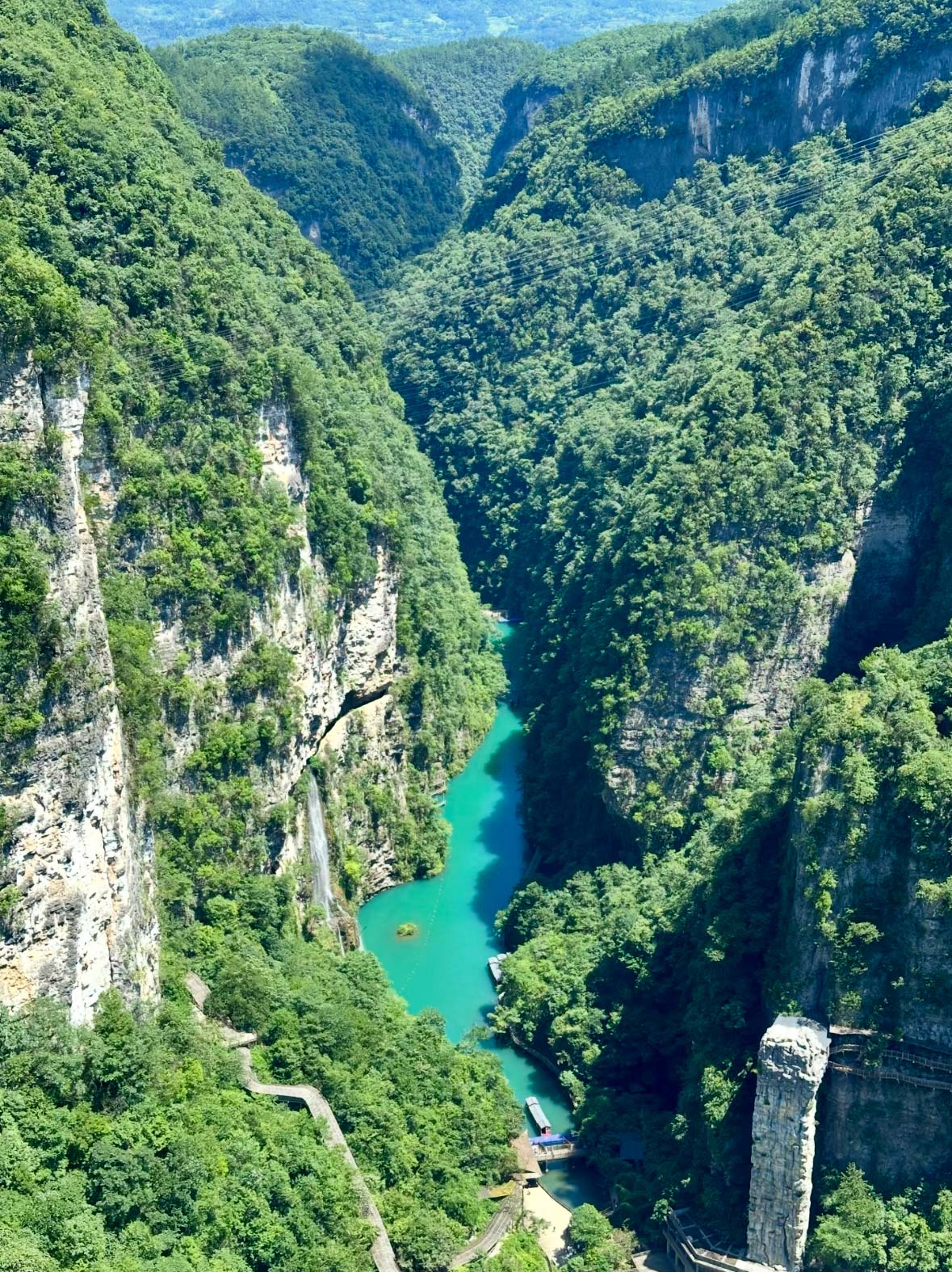
• Zhangjiajie Grand Canyon: Known as the ‘Little Jiuzhaigou,’ it features waterfalls, streams, deep pools, and lush valleys—and the record-breaking Glass Bridge ‘Yuntian Du.’ Standing on its transparent floor 400 m above the canyon, you’ll feel as if walking on air—thrilling yet breathtakingly beautiful.
Curious where your China journey could take you? Start here and tell us what you’re dreaming of.
SIGN UP