(+86) 19121971501

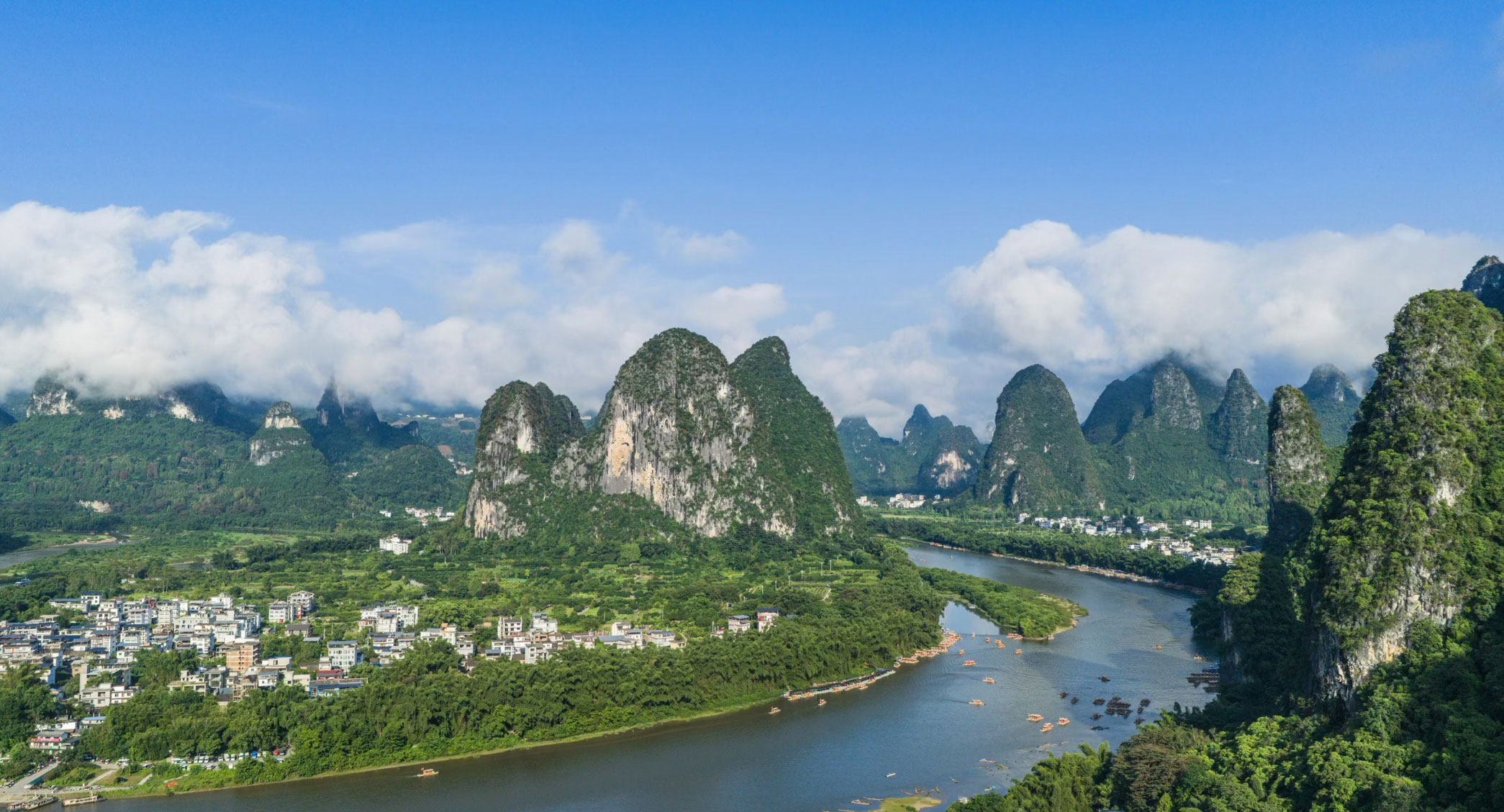
Nestled in the northeast of Guangxi along the Li River, Guilin unfolds like a three-dimensional ink painting. Its karst peaks rise in ethereal beauty, mirrored in the jade-green waters of the Li River, embodying the timeless legend of “the finest scenery under heaven.” More than just nature’s masterpiece, Guilin is also home to the ancient songs of the Zhuang and Yao peoples, and to the literary traces of Tang and Song dynasty poets—making every step a dialogue with both history and landscape.
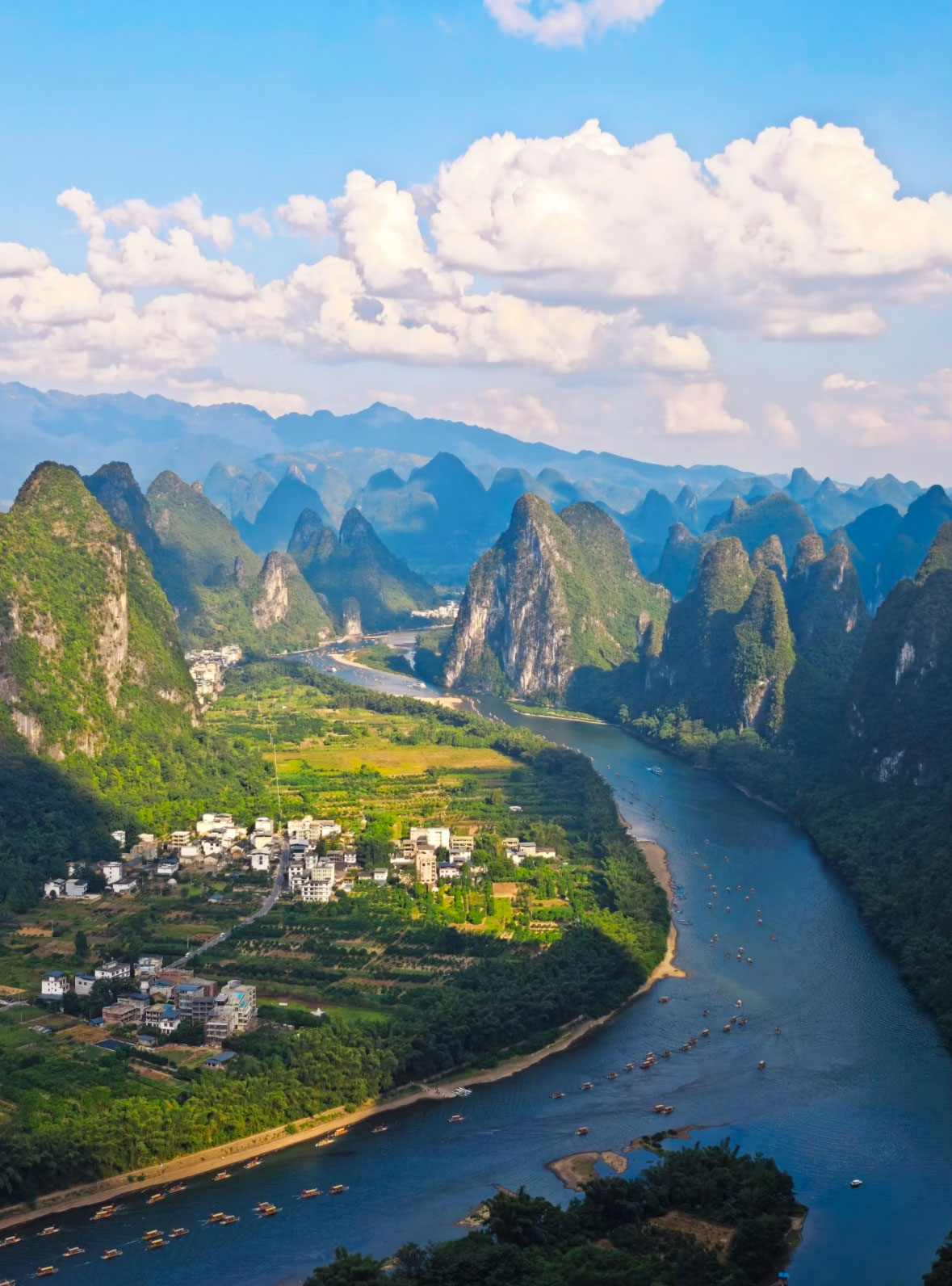
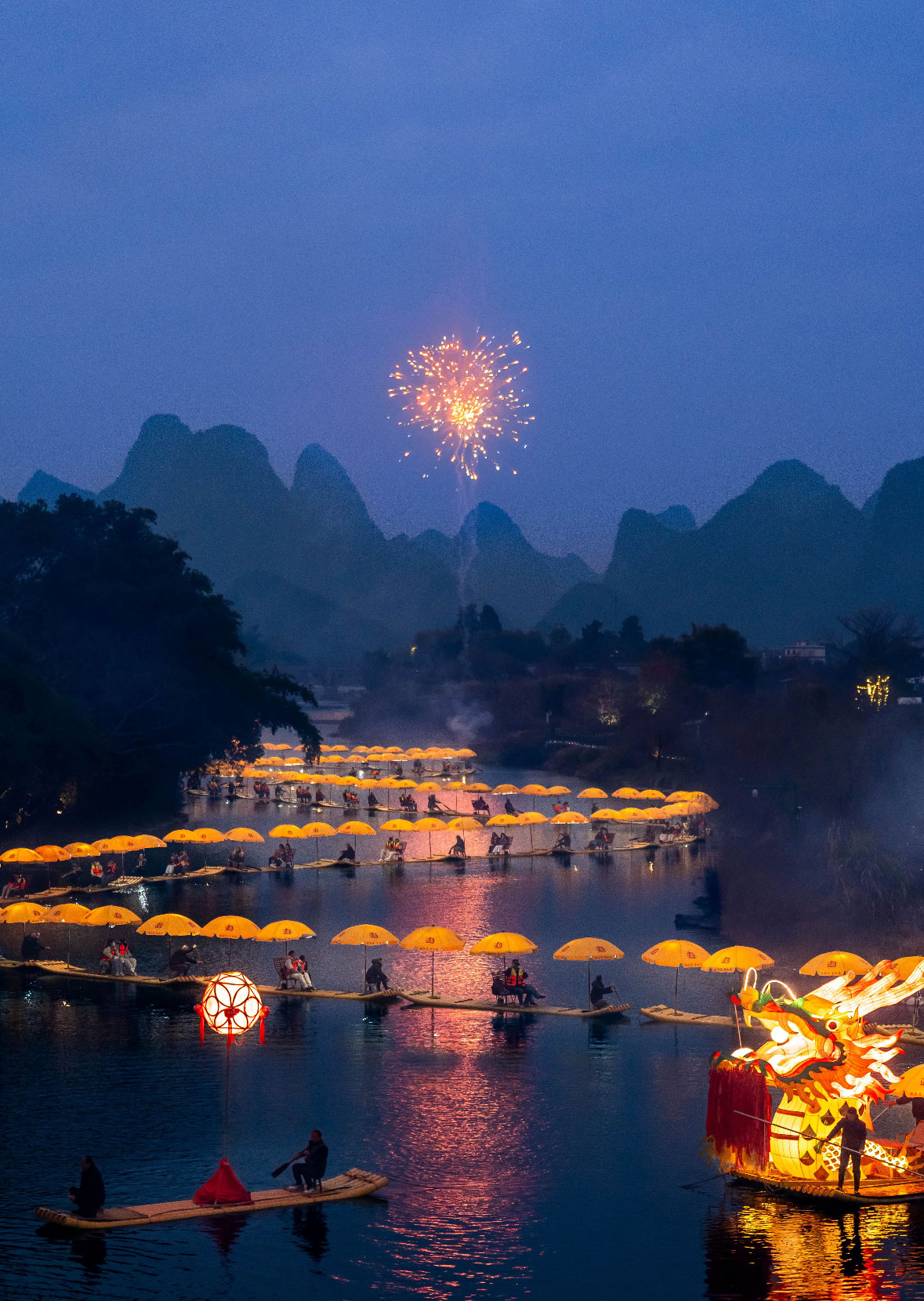
Founded as early as the Qin and Han dynasties, Guilin has long been a cultural and political center of southern China.
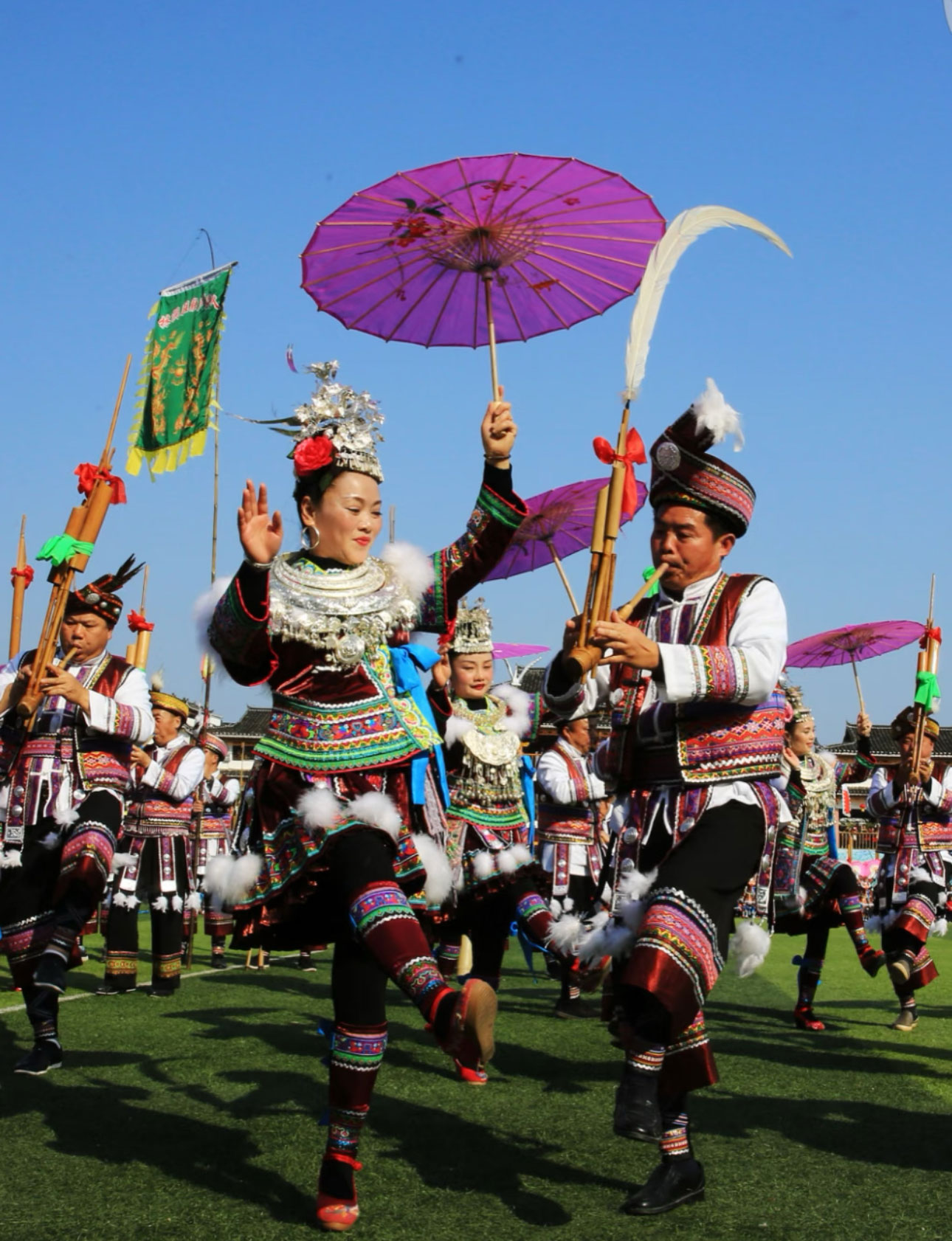
Its spirit is shaped by mountains and rivers, and enriched by the coexistence of many ethnic groups. Zhuang people express affection through embroidered balls, Yao dances echo through the rhythm of long drums, Dong wind-and-rain bridges stand as architectural wonders, while Miao silver ornaments glitter with ancestral artistry.
Here, art and nature intertwine: Guilin opera flows as gracefully as the Li River, while Caidiao folk plays are as lighthearted as a mountain breeze. The stone inscriptions at Jingjiang Prince’s Mansion and Diecai Hill reflect the poetic encounters of scholars with Guilin’s scenery, offering living proof of how “to view the mountains is to read a painting, and to climb them is to walk through history.”
Guilin is world-renowned for its unique karst landscapes, where emerald rivers weave among fantastical peaks.
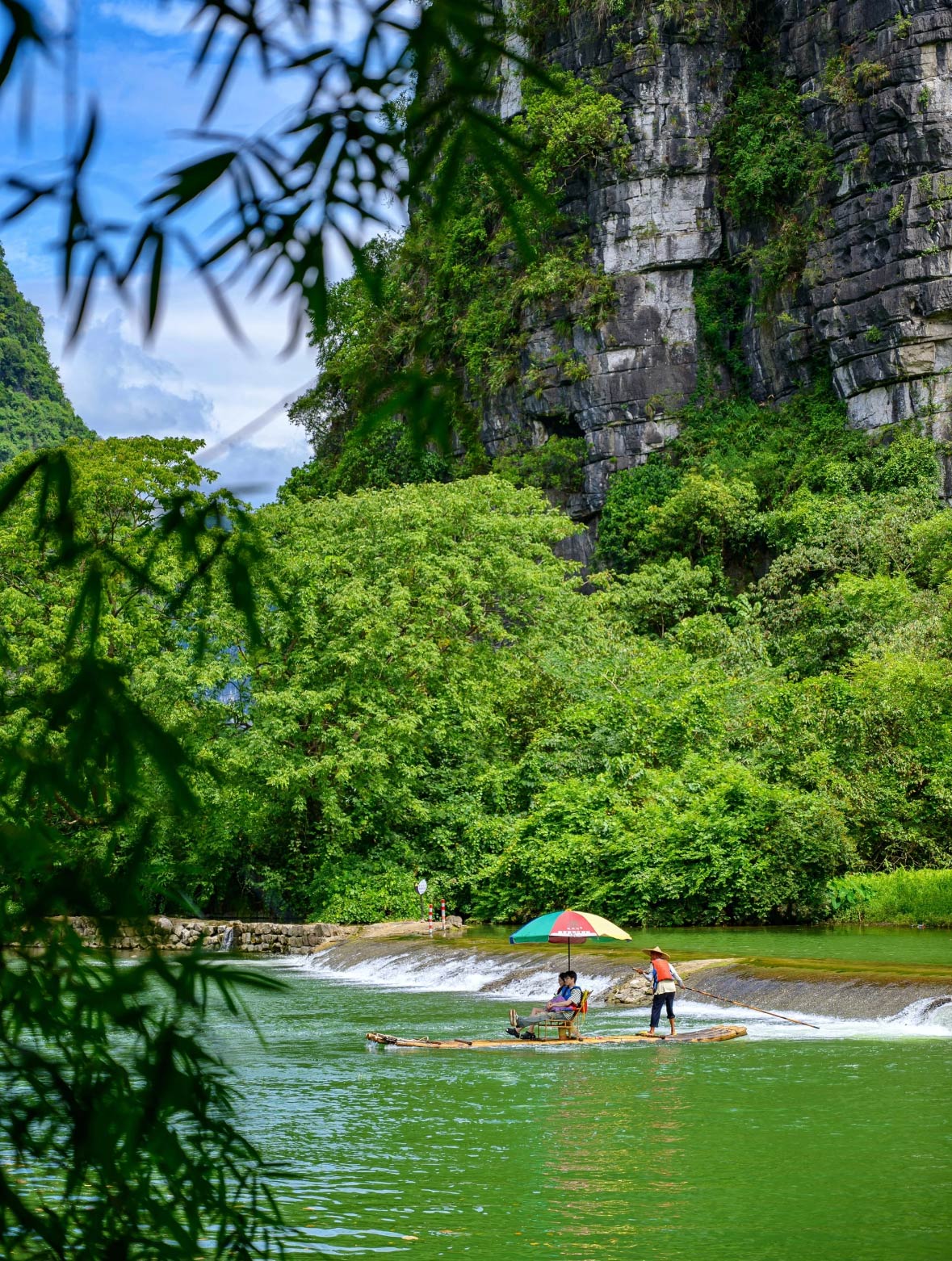
• Li River Cruise: The soul of Guilin— “a hundred miles of river, a hundred miles of gallery.” A bamboo raft ride reveals mountains rising like swords and bamboo shoots, reflected in the water until sky and earth seem to merge.
• Elephant Trunk Hill: The city’s emblem, shaped like a giant elephant drinking from the river. The Moon Cave between its trunk and body creates a magical scene where “the moon floats both in the river and the sky.”
• West Street, Yangshuo: Known as the “Global Village,” its flagstone lanes and arcaded buildings mix Eastern and Western styles. By day, it is lined with artisan shops; by night, it comes alive as a vibrant, cosmopolitan nightlife hub.
• Longji Rice Terraces: A monumental “landscape sculpture” created by Zhuang and Yao ancestors. With as many as 1,580 tiers, the terraces gleam like mirrors in spring, ripple with golden waves in autumn, and often appear shrouded in morning mist like a heavenly realm.
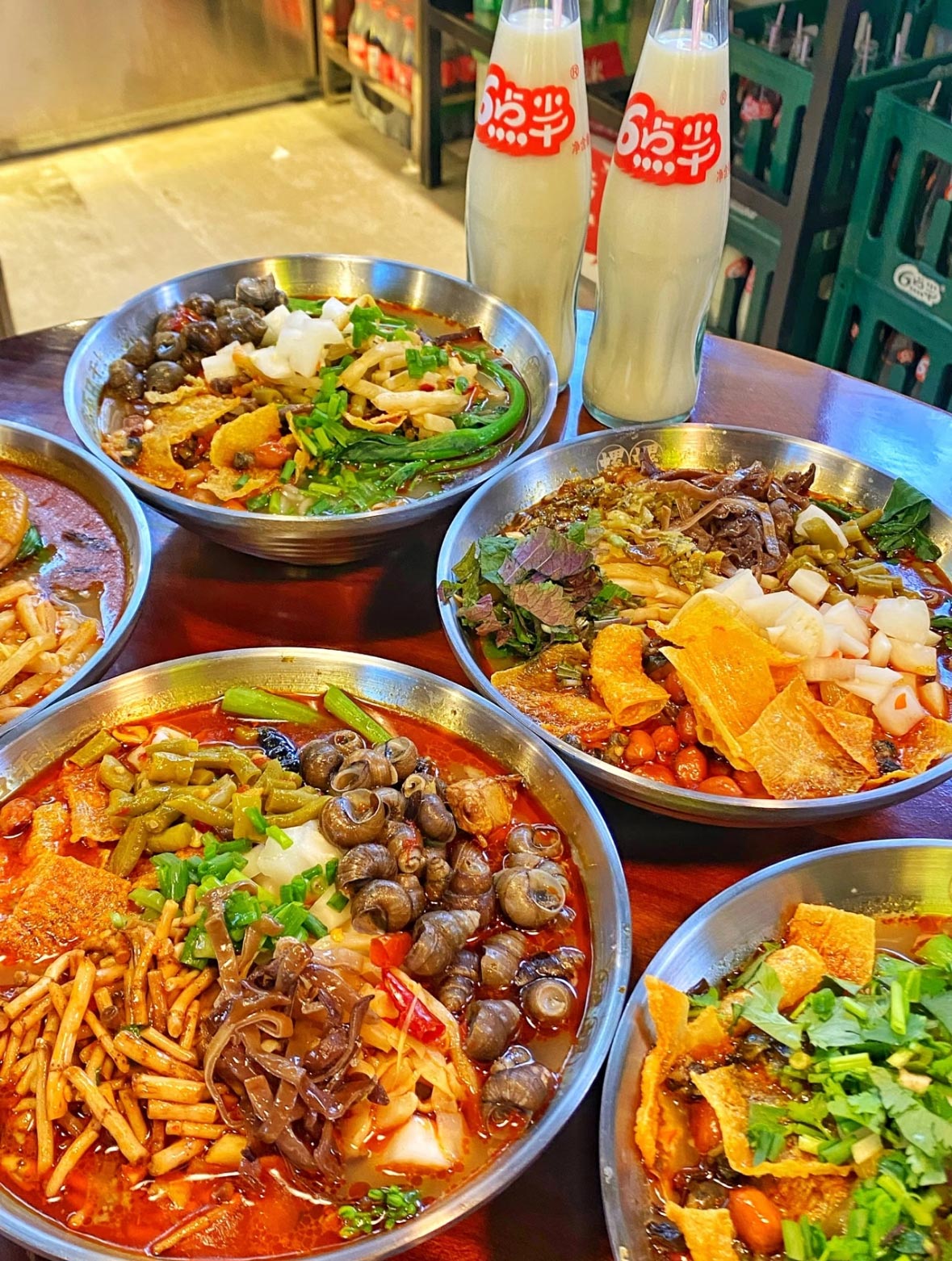
Guilin cuisine is known for its fresh, light flavors and emphasis on natural taste:
• Guilin Rice Noodles: The city’s “soul breakfast”—smooth, chewy noodles topped with savory braised gravy, crispy pork, marinated eggs, pickled bamboo shoots, and chili, both fragrant and spicy.
• Beer Fish: A Yangshuo specialty, made by braising Li River fish in local beer for tender, flavorful meat and a rich broth—best enjoyed with stuffed river snails.
• Luosifen (Snail Rice Noodles): Famous for its tangy, spicy broth, now a culinary symbol beyond Guilin.
• Lipu Taro Braised Pork: Layers of sweet, starchy taro and rich pork belly steamed together until melt-in-the-mouth, a staple of festive banquets.
• Oil Tea: A traditional Zhuang and Yao beverage, made by pounding tea leaves with ginger and garlic before boiling, then served with puffed rice and peanuts—a warming comfort in winter.
• “Eighteen Stuffed Delicacies”: A creative feast of local ingenuity, featuring meats stuffed into gourds, peppers, eggplants, snails, and more—steamed or pan-fried for a rich medley of flavors.
Guilin’s folk customs are dialogues between people, nature, and community.
On the Li River, fishermen glide on bamboo rafts as cormorants perch quietly, nets cast with fluid grace. In the Longji terraces, Zhuang villagers sing while sowing in spring and harvesting in autumn, their voices blending with the rustling rice fields. At night on West Street, the sound of guitars in bars mingles with street vendors’ calls, where locals and travelers from around the world laugh and toast together.
As a homeland for Zhuang and Yao communities, Guilin celebrates colorful festivals: the Zhuang “March 3rd Song Festival” and the Yao “Panwang Festival” feature traditional costumes, dances, and crafts that vividly showcase ethnic heritage. Visiting the countryside offers a glimpse into simple hospitality and genuine warmth.
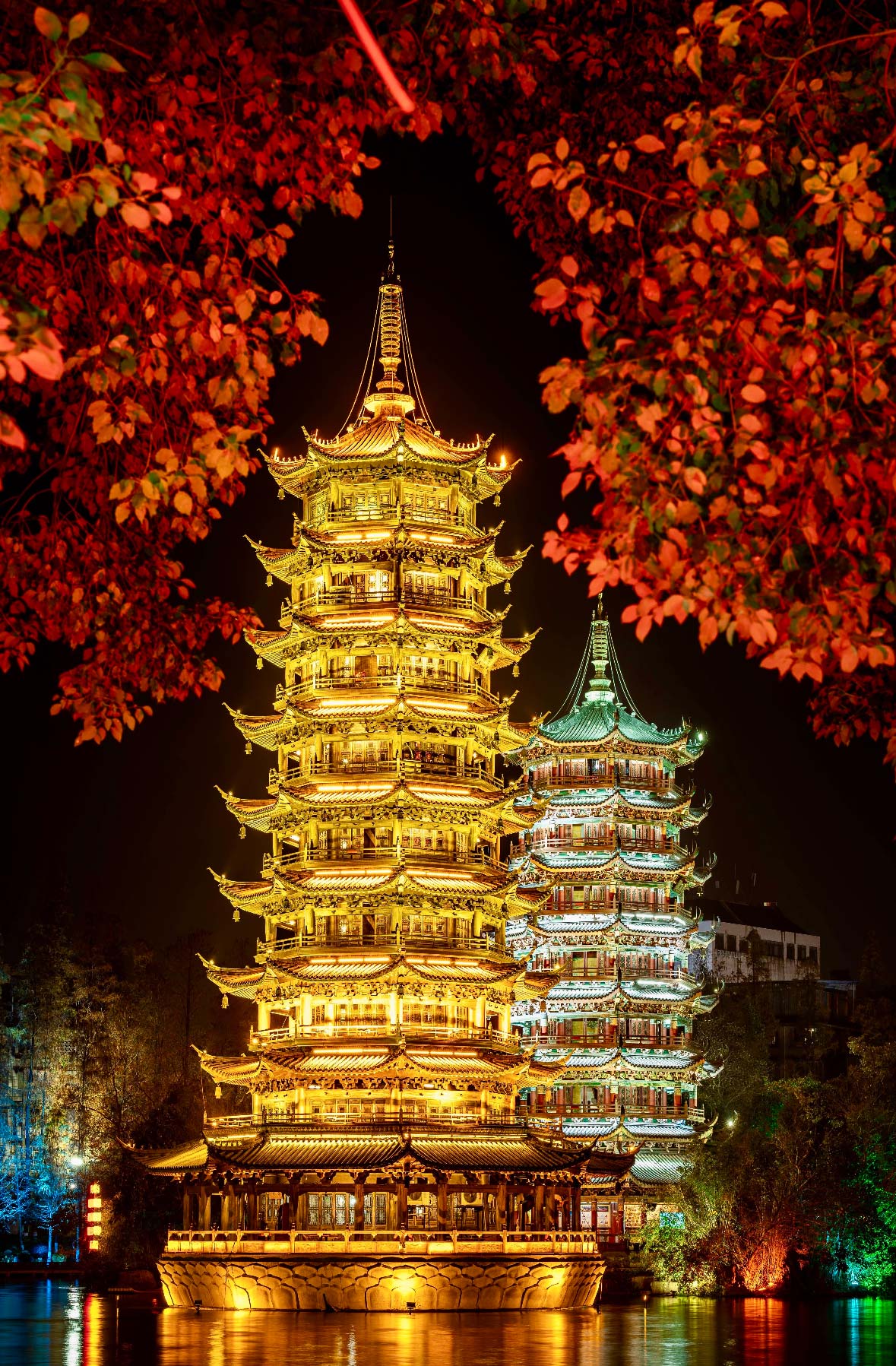
Guilin is truly a “city within scenery, scenery within the city.” Karst peaks form its skyline, while the Li River flows gently through its streets. Free of the bustle of metropolises, Guilin moves at a slower, more graceful pace.
At dawn, locals practice tai chi by Ronghu Lake, their voices carrying traditional opera tunes. In the afternoon, tea houses serve bowls of oil tea while friends share stories. By dusk, fishermen’s lanterns glow along the Li River, mingling with the sunset in a poetic tableau of everyday life.
Here, you can read poetry in the mountains, feel authenticity in its alleys, and immerse your heart in the embrace of nature.
Curious where your China journey could take you? Start here and tell us what you’re dreaming of.
SIGN UP