(+86) 19121971501


Western Sichuan — hailed as ‘the last Shangri-La on Earth’ — lies in the heart of western China’s Sichuan Province. A land where Tibetan and Han cultures harmoniously intertwine, its vast landscapes stretch from the urban buzz of Chengdu to quiet Tibetan villages, serene snowcapped reflections, and dramatic highland forests. Here, nature meets tradition in breathtaking stillness.
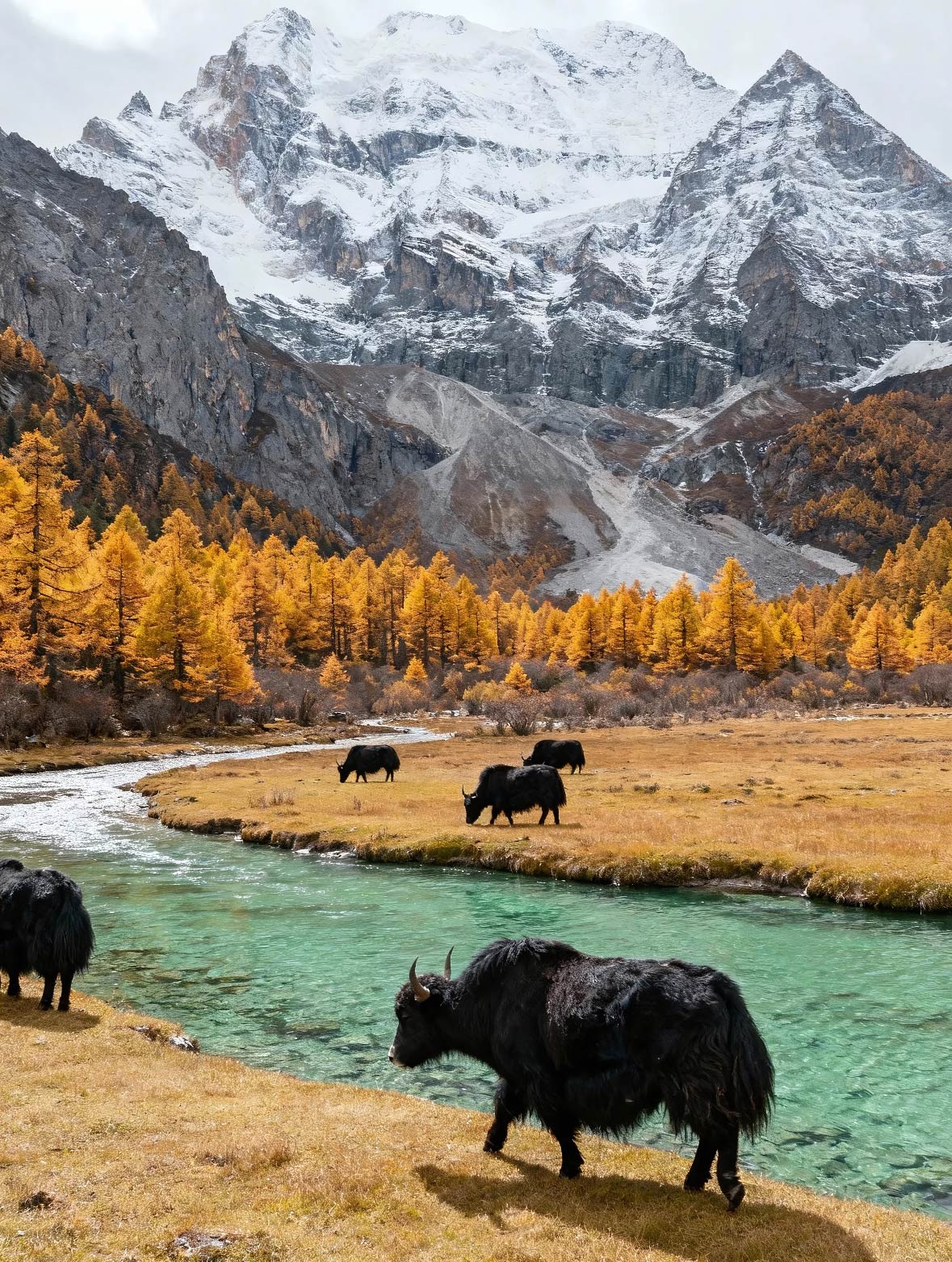

Western Sichuan is a tapestry of diverse ethnic heritage. The devout spirituality of the Tibetans, the resilience of the Qiang people, and the centuries-old imprint of Han civilization coexist in vibrant harmony.
To travel here is to step into a living scroll of folk culture.
In Taoping Qiang Village of Lixian County, China’s only well-preserved ancient Qiang watchtower complex showcases a forgotten architectural wisdom.
Mount Siguniang, known as the ‘Alps of the East,’ cradles glaciers, valleys, and Tibetan-style hamlets under its serene snowy crown.
Daocheng Yading, often called ‘the last pure land on the blue planet,’ is a sacred symphony of mountains, meadows, lakes, and Tibetan beliefs.
Even after the earthquake, Jiuzhaigou remains otherworldly — Five-Color Lake shimmers like a divine palette, while waterfalls like Nuorilang create fairy tale dreams brought to life.
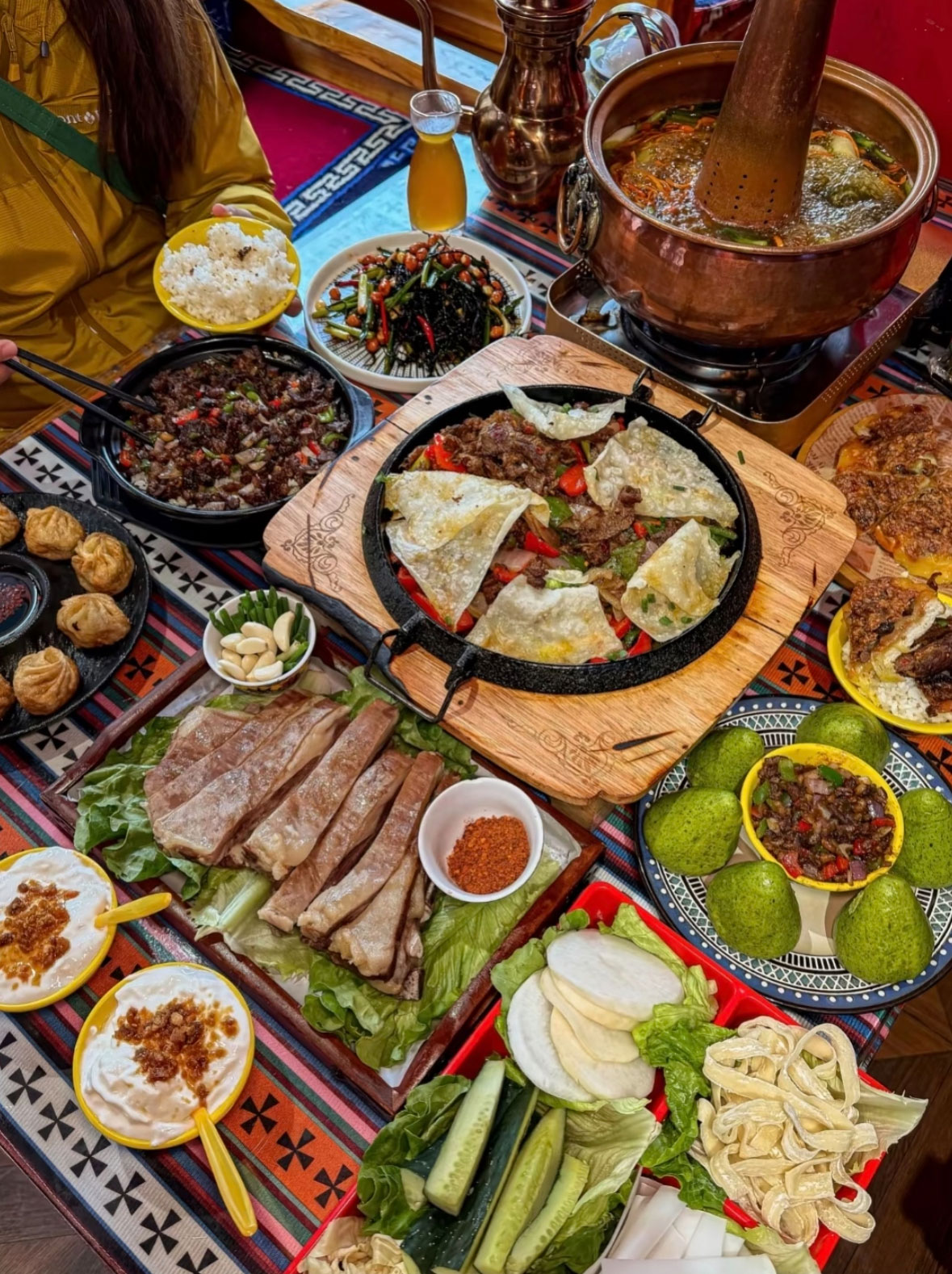
Melding Tibetan, Han, and Qiang culinary traditions, local flavors range from the fiery boldness of Sichuan hotpot to the gentle warmth of yak butter tea.
Delicacies like Tibetan black pork hotpot, sauerkraut chicken, and stone-grilled yak steak are gifts from the plateau itself.
At local Tibetan guesthouses in Xiaojin or Lixian, try hand-ground tsampa, highland barley cakes, and barley wine — heartfelt gestures of hospitality from the mountains.
Local highlights include:
• Xichang Firepit BBQ: Born in Liangshan, ingredients are grilled over open firepits. Signature dishes like charred pork belly and roasted potatoes are rich in aroma and full of character.
• Tuotuo Pork: A Yi ethnic dish featuring large chunks of boiled pork, simple and tender — a reflection of the Yi people’s unpretentious food culture.
• Bitter Buckwheat Pancakes: Crispy outside, soft inside, and delicately fragrant with natural bitterness — a favorite among locals.
• Beef and Lamb Noodle Soups: A must-have breakfast in Xichang. Rich broths and freshly sliced meats create comforting bowls to start the day.
If you’re lucky to visit during Tibetan New Year, Qiang New Year, or a Horse Racing Festival, you’ll witness authentic ethnic celebrations —
Tibetans dancing around mani stone piles, Qiang women adorned in silver jewelry singing in chorus, and time itself seems to pause amid the ancient and the sacred.
Craft traditions are another cornerstone of Western Sichuan’s soul. Tibetan Thangka painting, Qiang brocade weaving, and silver engraving are not just arts — they are spiritual legacies passed through generations.
Cultural expressions include:
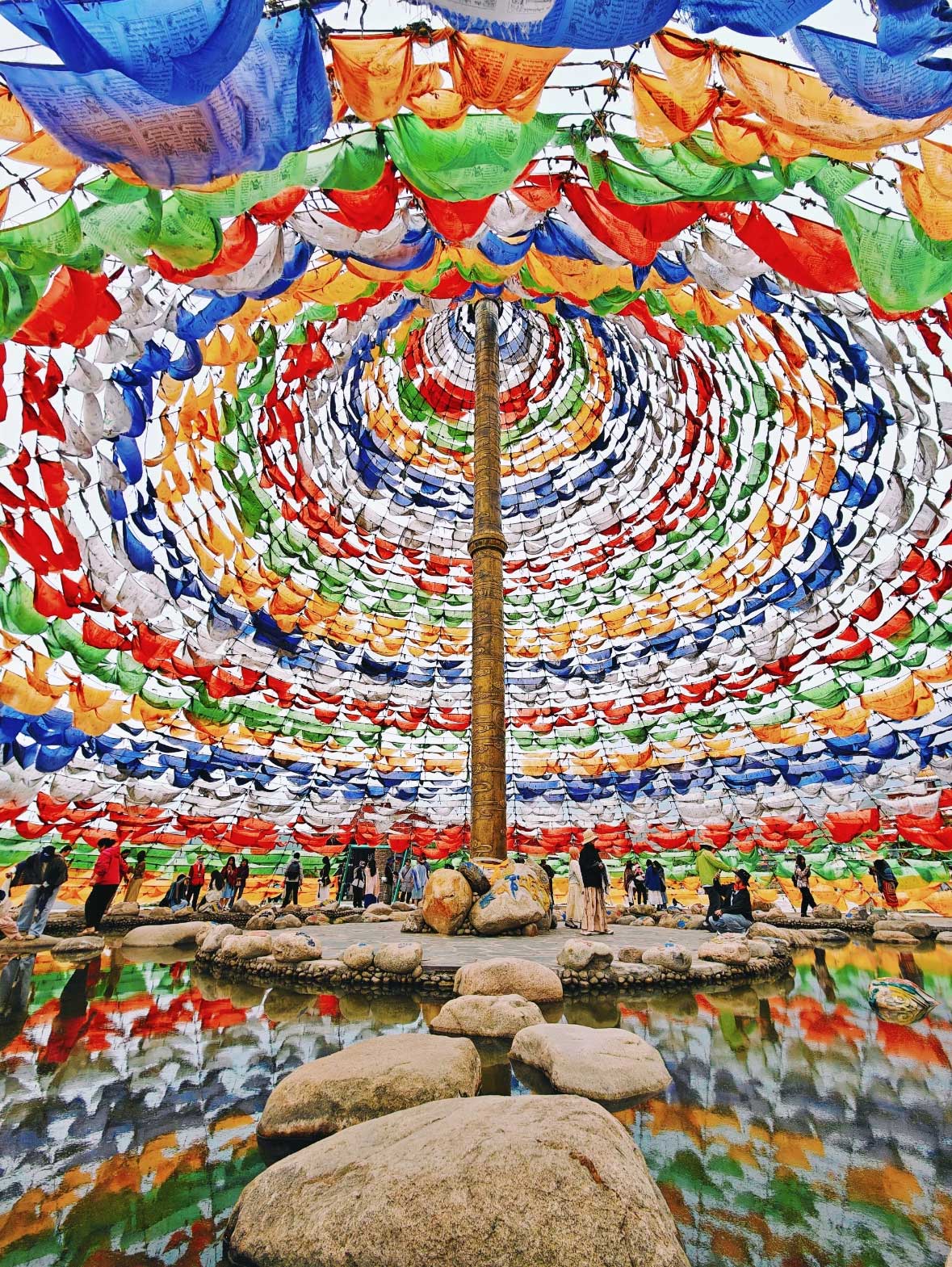
• Prayer Flags & Lungta Tossing: Wind-horse flags bear sacred scriptures; each flutter is a silent prayer. Locals release colorful paper wind horses while calling out for family blessings.
• Thangka: Known as ‘the encyclopaedia of Tibetan culture,’ these intricate scroll paintings use pigments from nature and take years to complete — each one a priceless masterpiece.
• Pilgrimages & Prayer Wheels: Circling sacred mountains on foot — sometimes prostrating at every step — Tibetans seek peace and redemption. Turning a prayer wheel is equal to reciting scriptures, a wish for safety and serenity.
Curious where your China journey could take you? Start here and tell us what you’re dreaming of.
SIGN UP