(+86) 19121971501


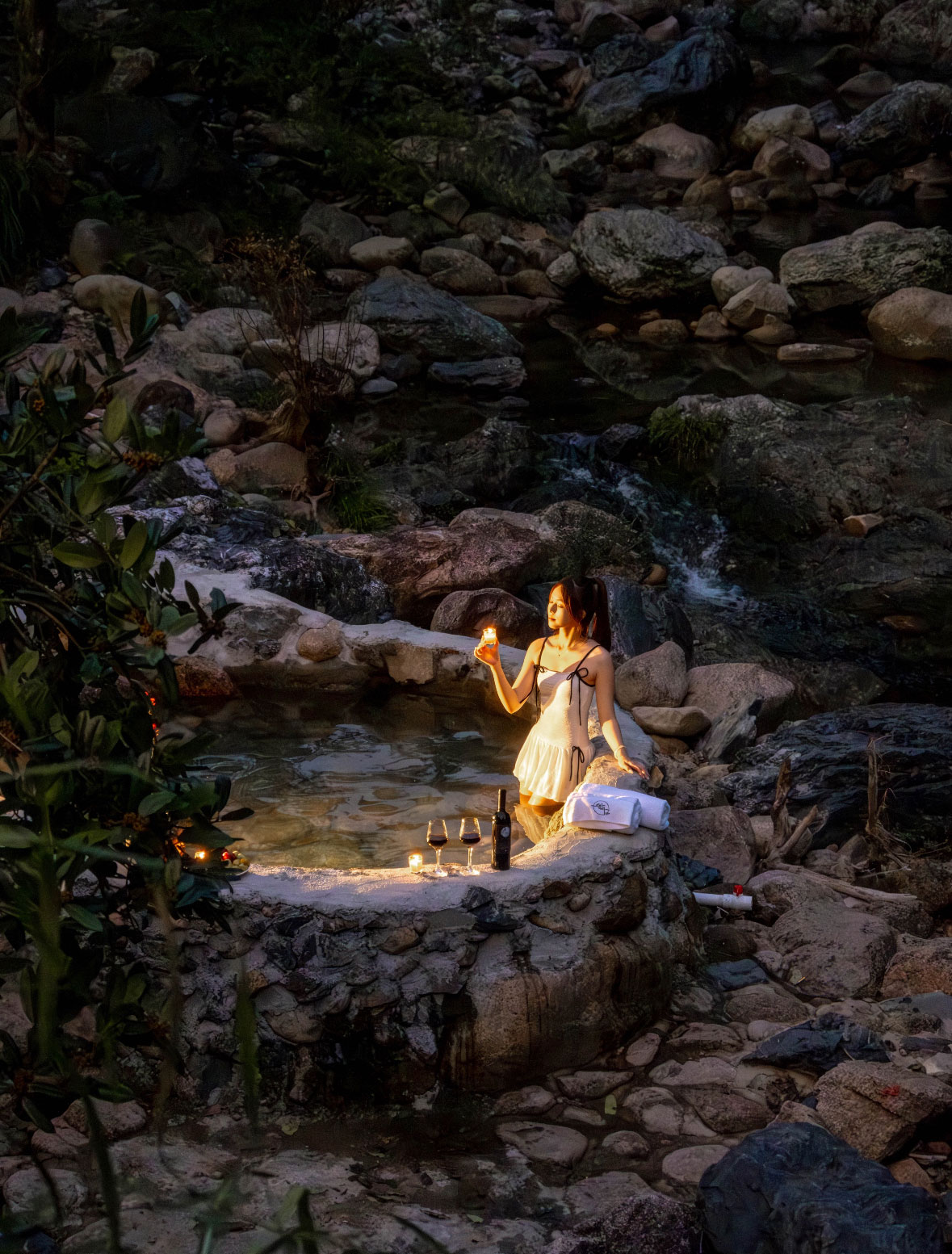
Huangshan is famed for its “Four Wonders” — grotesque pine trees, fantastic rocks, sea of clouds, and hot springs — Huangshan has long been a sacred place for Chinese poets, painters, and philosophers. As a UNESCO World Heritage Site for both natural and cultural significance, Huangshan is more than a scenic destination — it is a thousand-year-old meditation on nature and being.
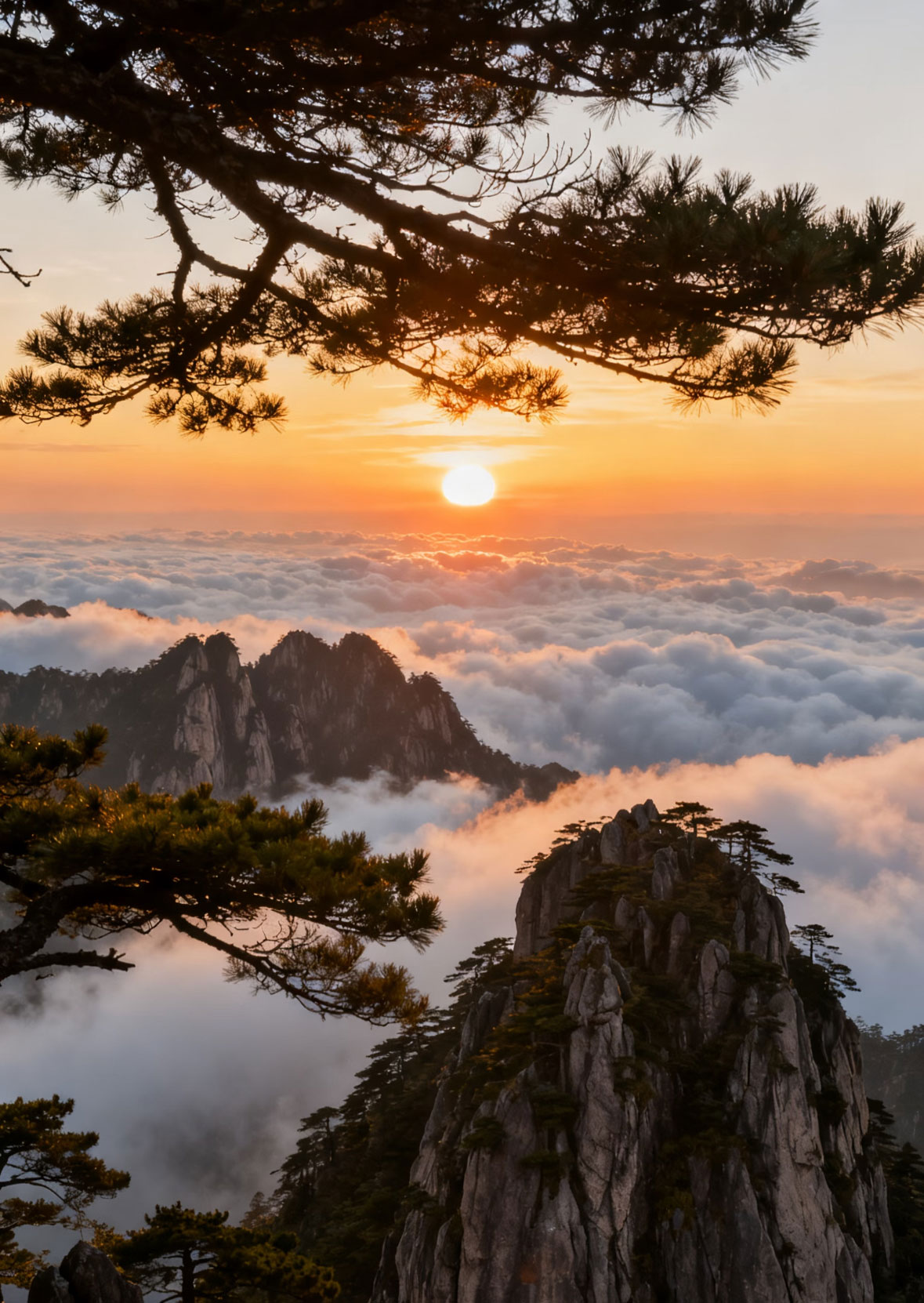
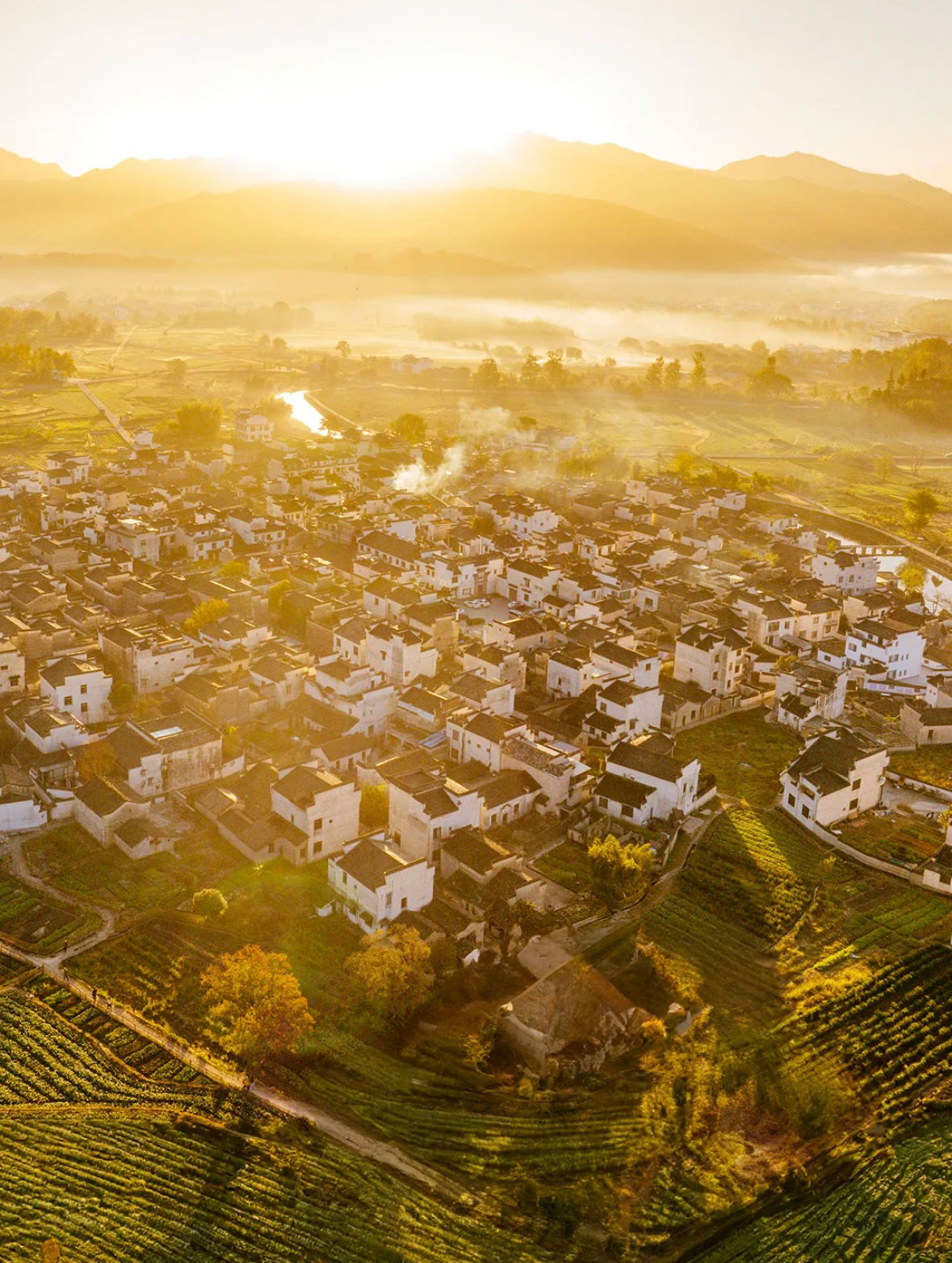
Once known as “Yi Mountain,” Huangshan received its current name during the Tang Dynasty, inspired by the legend of the Yellow Emperor seeking immortality on its peaks. Over the centuries, countless scholars and artists climbed these mountains, leaving behind poetic verses and timeless paintings. Huangshan is not just a mountain — it’s a living scroll of Chinese civilization carved in stone.
At its foot lie the iconic Huizhou villages — Hongcun, Xidi, and Chengkan — each preserving the elegant order of Ming and Qing dynasty architecture. With whitewashed walls, horse-head roofs, and narrow flagstone alleys, these villages are the embodiment of Huizhou’s refined merchant culture and Confucian values.
• Grotesque Pines: The famed Welcoming Pine stands sentinel-like on the cliffs, greeting every traveler with its resilient grace.
• Strange Rocks: Carved by time and wind, these fantastical stones resemble mythical beasts and celestial beings — nature’s own sculpture gallery.
• Sea of Clouds: Peaks rise and vanish in drifting mist, especially breathtaking at sunrise or sunset, creating the illusion of a celestial realm.
• Hot Springs: Prized for their purity and therapeutic qualities, Huangshan’s springs have been soothing visitors since ancient times.
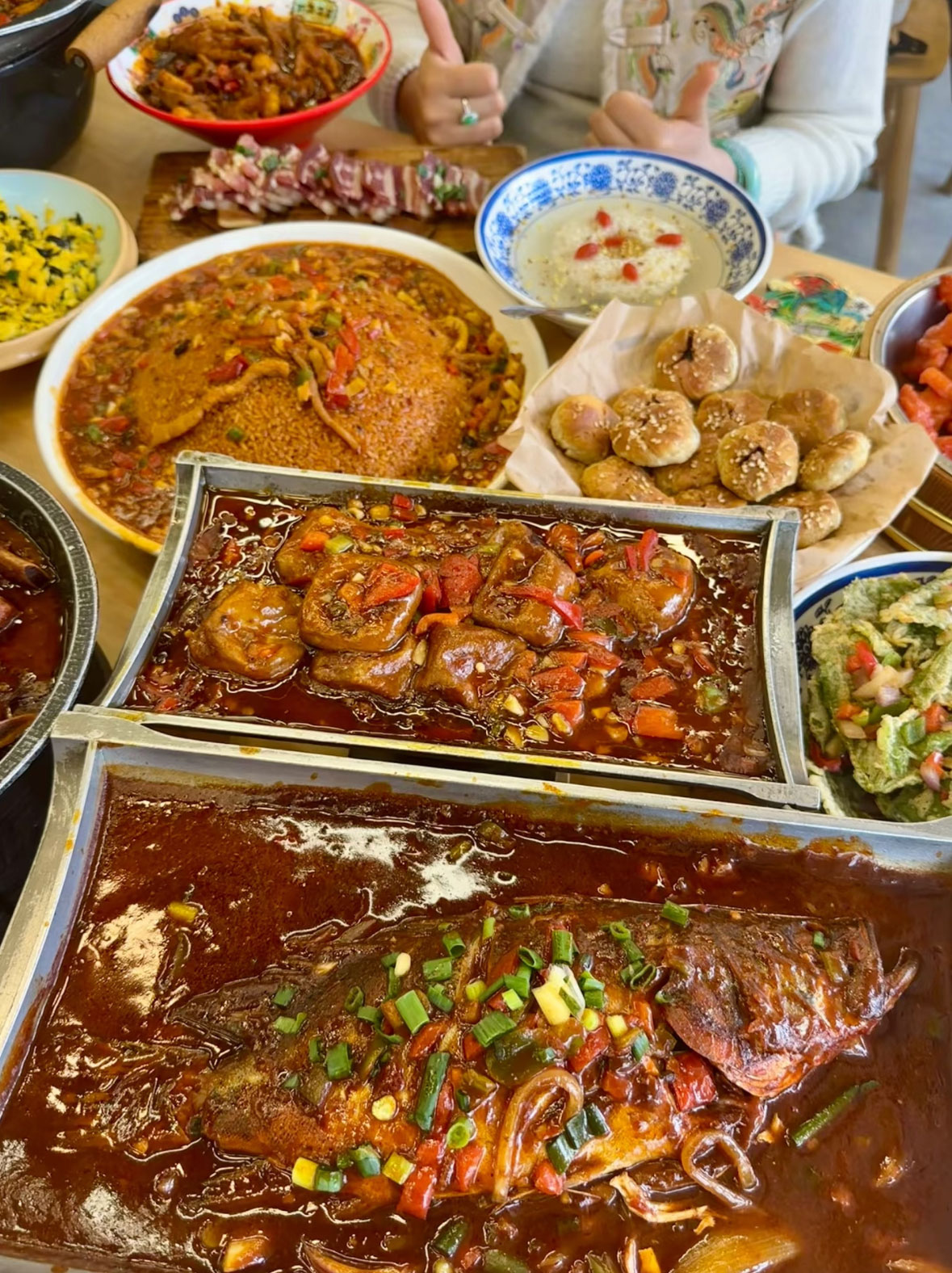
Huangshan is a feast not just for the eyes, but also for the palate. Nestled in the heart of Huizhou, the local cuisine is famed for its deep flavors, slow cooking, and artistic presentation:
• Stinky Mandarin Fish (Chou Guiyu): Famous for its pungent aroma and addictive taste — the soul of Huizhou cuisine.
• Fermented Tofu (Mao Doufu): Crispy on the outside, soft within — a local delicacy with a bold flavor.
• Huizhou Stew Pot (Yipin Guo): A layered, hearty one-pot dish perfect for communal dining.
• Traditional snacks such as knife-sliced ham, sesame biscuits, and crispy sweet candies add warmth to every street-side moment.
Huizhou culture thrives on the fusion of Confucian ideals and mercantile pragmatism. On traditional festival days, places like Tunxi Old Street and Yixian villages come alive with lantern displays, folk performances, ancestral rituals, and festive markets.
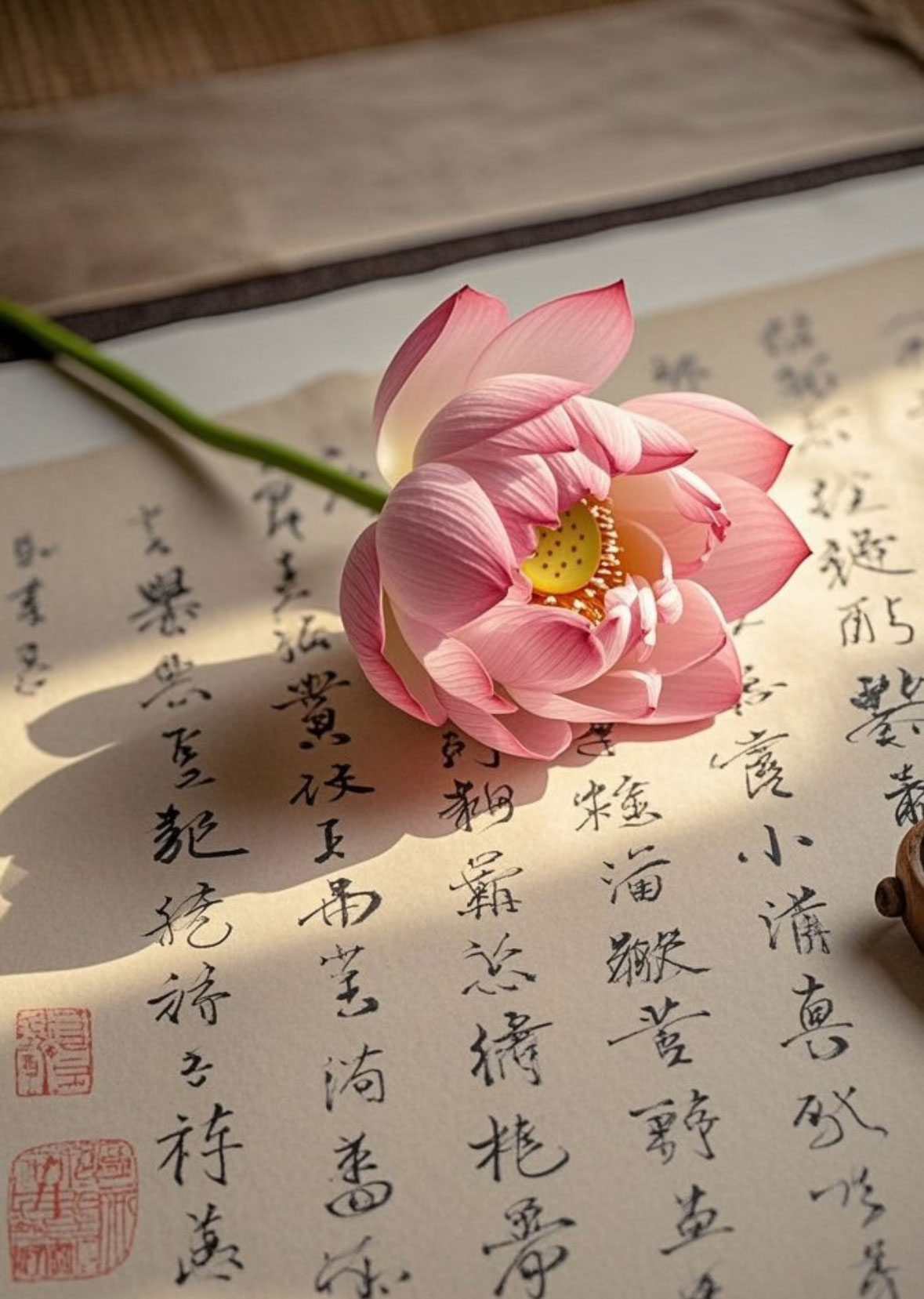
This is also the birthplace of several national intangible heritages — including Huizhou ink sticks, Xuan paper, Shexian inkstones, wood carvings, and brick carvings — each telling the story of a craft passed down through generations.
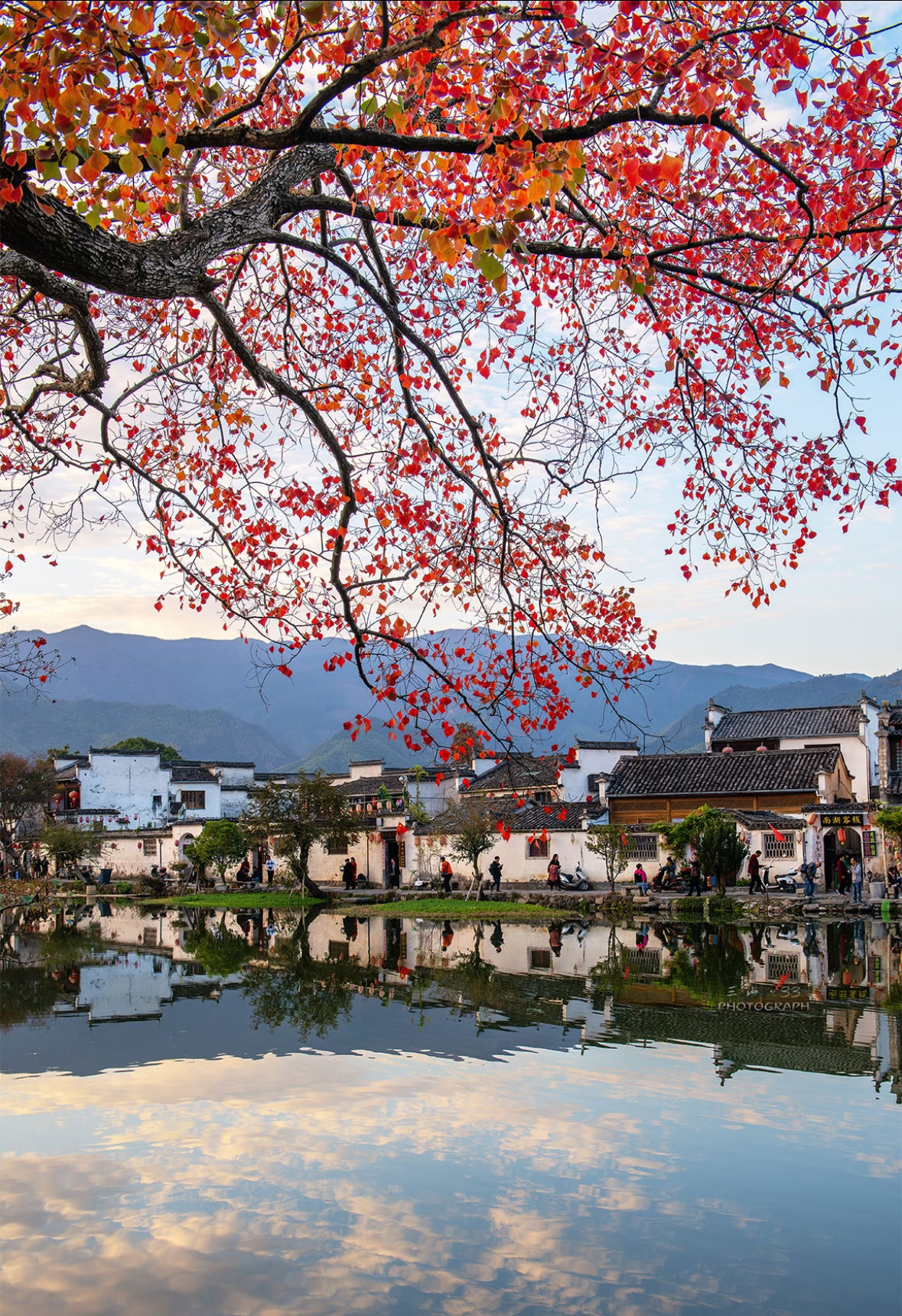
Though named a ‘city,’ Huangshan feels more like a cultural sanctuary nestled within misty peaks. Life here is unhurried and gracious — a harmony of stone and stream, heritage and quietude.
Wander through Tunxi Old Street, where moss-covered stones and ancient storefronts whisper of bygone traders. Spend the night in a centuries-old Huizhou residence, where the sound of rain on tile tells a story that transcends time. This is not just travel — it’s a return to the essence of living.
Curious where your China journey could take you? Start here and tell us what you’re dreaming of.
SIGN UP