Zhejiang cuisine, rooted in China’s eastern coastal province of Zhejiang, encompasses distinct local styles such as Hangzhou, Ningbo, and Shaoxing cuisines. It is celebrated for its fresh, light, and slightly sweet flavors, as well as its refined elegance that mirrors the charm of Jiangnan’s waterways, gardens, and cultural heritage.
Zhe cuisine emphasizes seasonal ingredients and delicate cooking methods that preserve the natural taste and texture of food. Following the principle of “adapting techniques to ingredients and sourcing locally,” it makes creative use of both seafood and mountain delicacies, as well as fresh vegetables and fruits. Cooking techniques include steaming, stir-frying, braising, and deep-frying. Seasoning tends to be subtle and natural, relying on rice wine, vinegar, and sugar to enhance flavors while maintaining balance—sweet yet savory, light yet flavorful.
Signature Dishes:
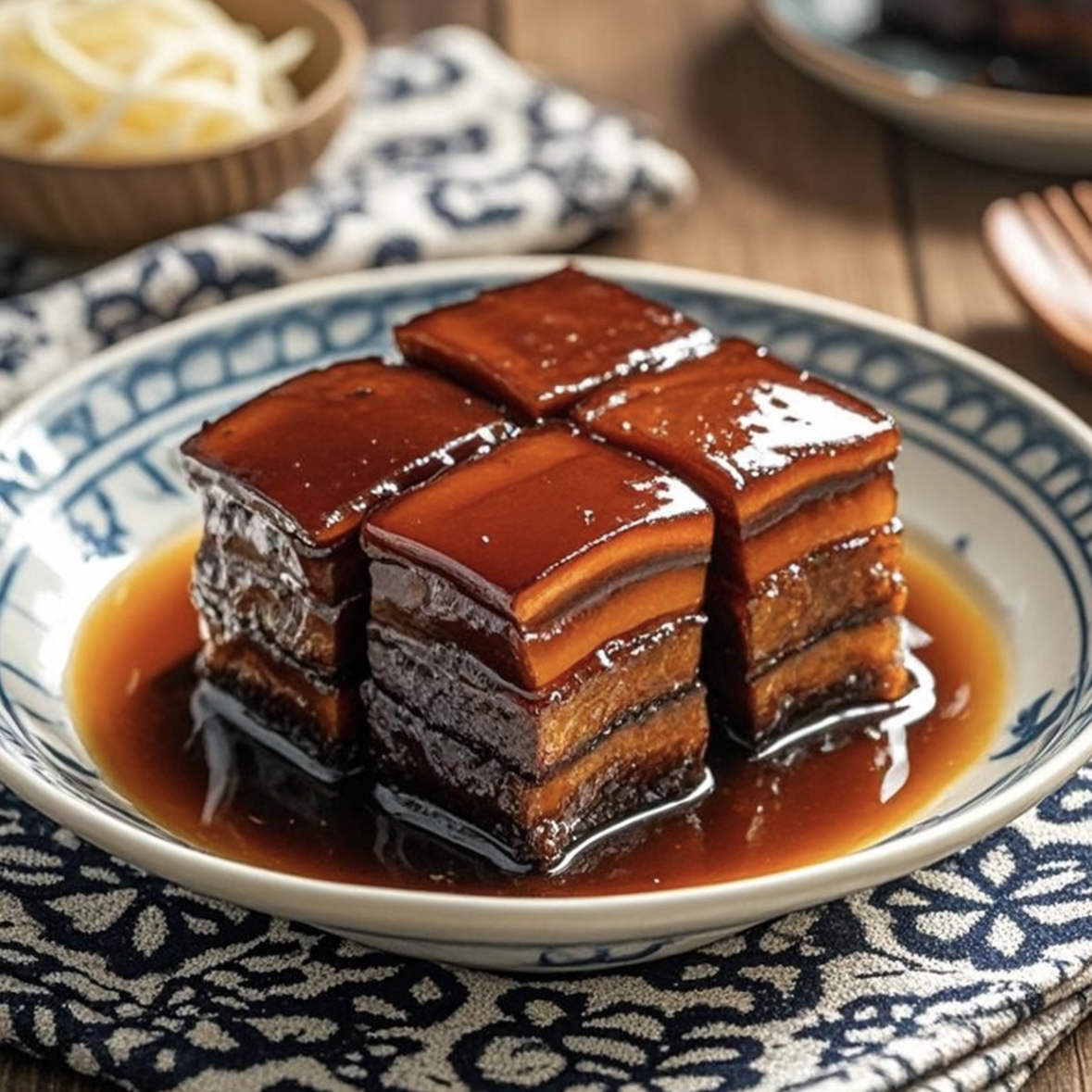
• Dongpo Pork – Named after the Song Dynasty poet Su Dongpo, this dish features braised pork belly that is rich yet not greasy, with a melt-in-the-mouth texture and glossy red finish.
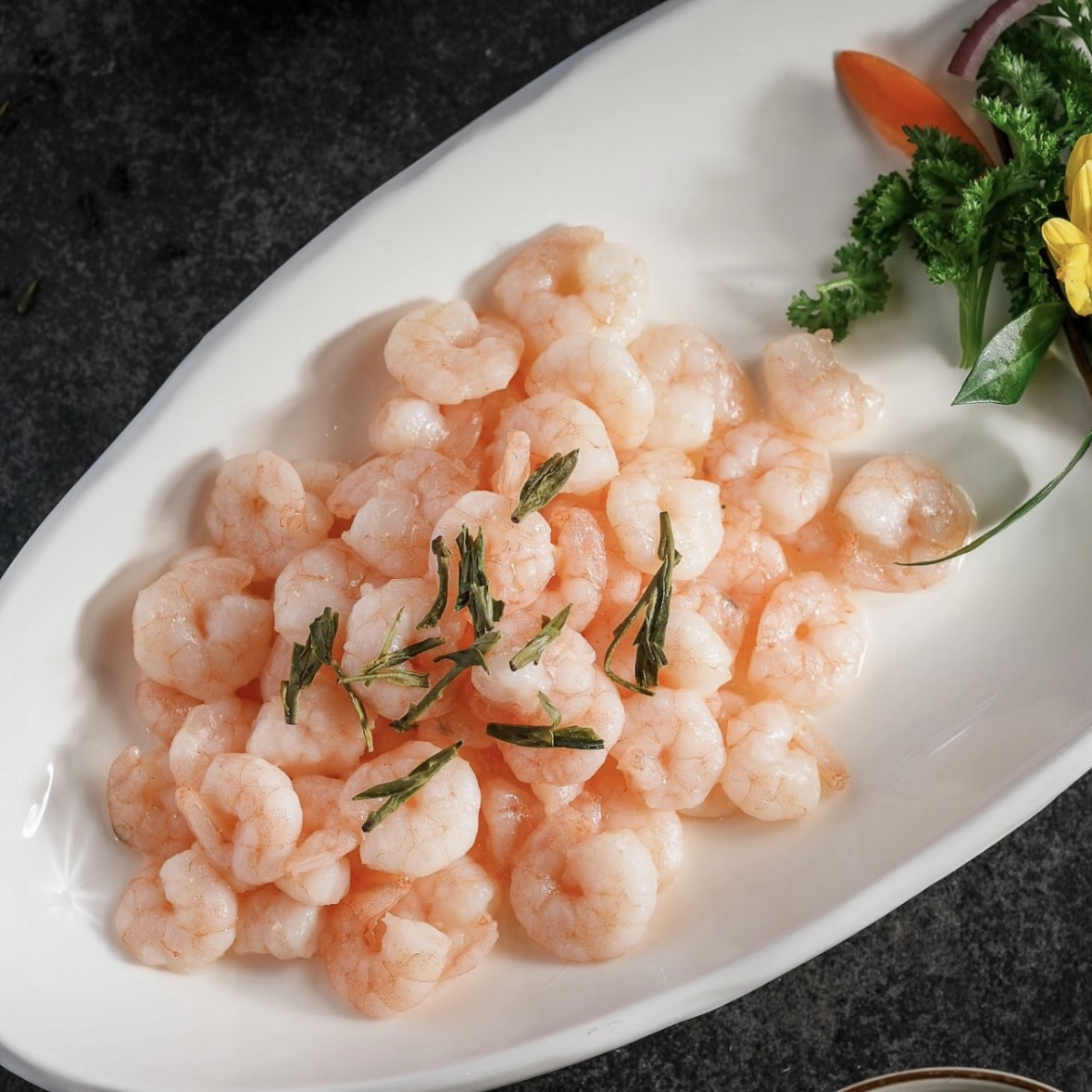
• Longjing Shrimp – Tender shrimp stir-fried with Longjing (Dragon Well) tea leaves, where the tea’s fragrance perfectly complements the shrimp’s delicate freshness, showcasing Zhejiang’s harmony between cuisine and local produce.
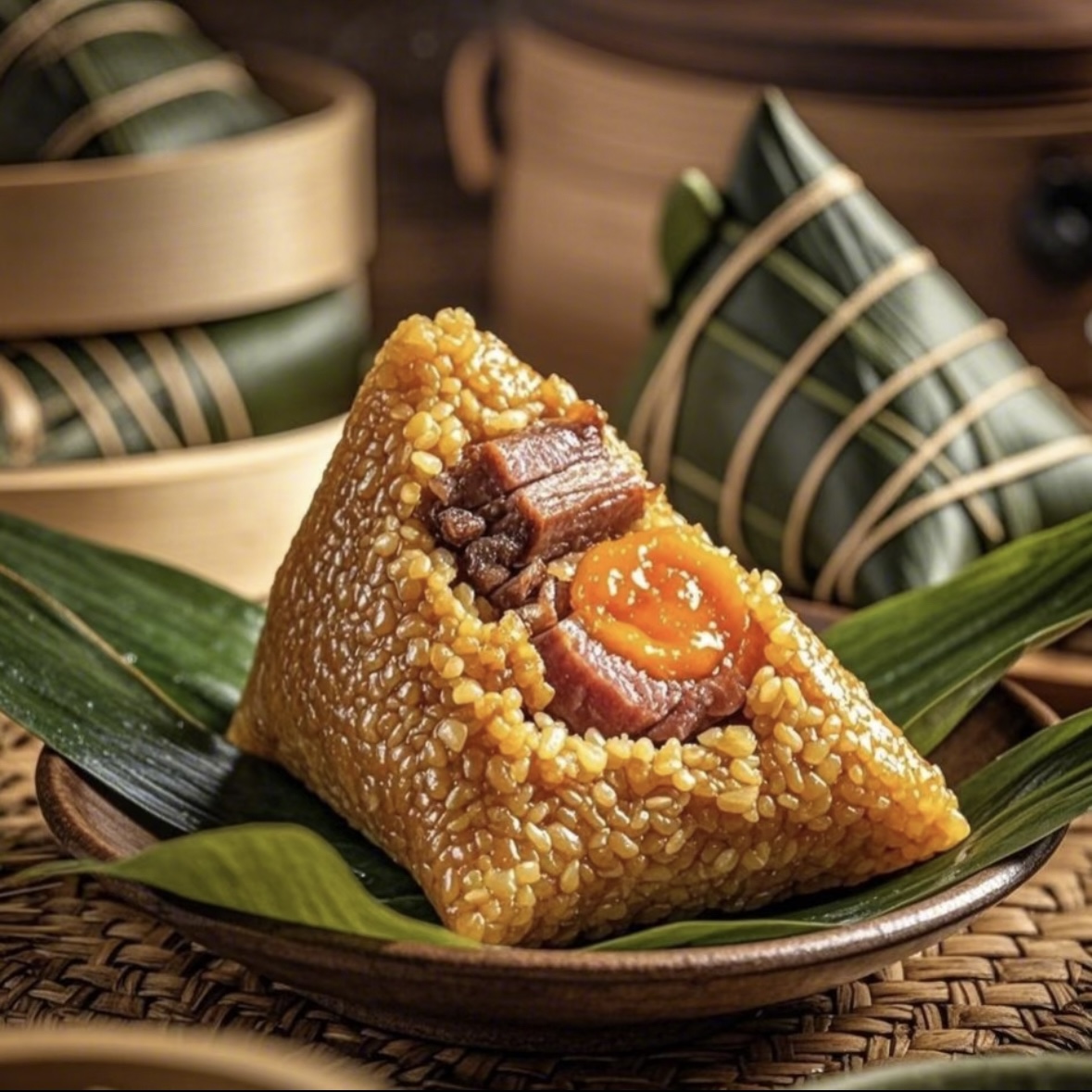
• Jiaxing Zongzi (Rice Dumplings) – Traditional bamboo-leaf-wrapped glutinous rice dumplings, filled with sweet or savory stuffing, famous for their rich aroma and distinctive flavor.
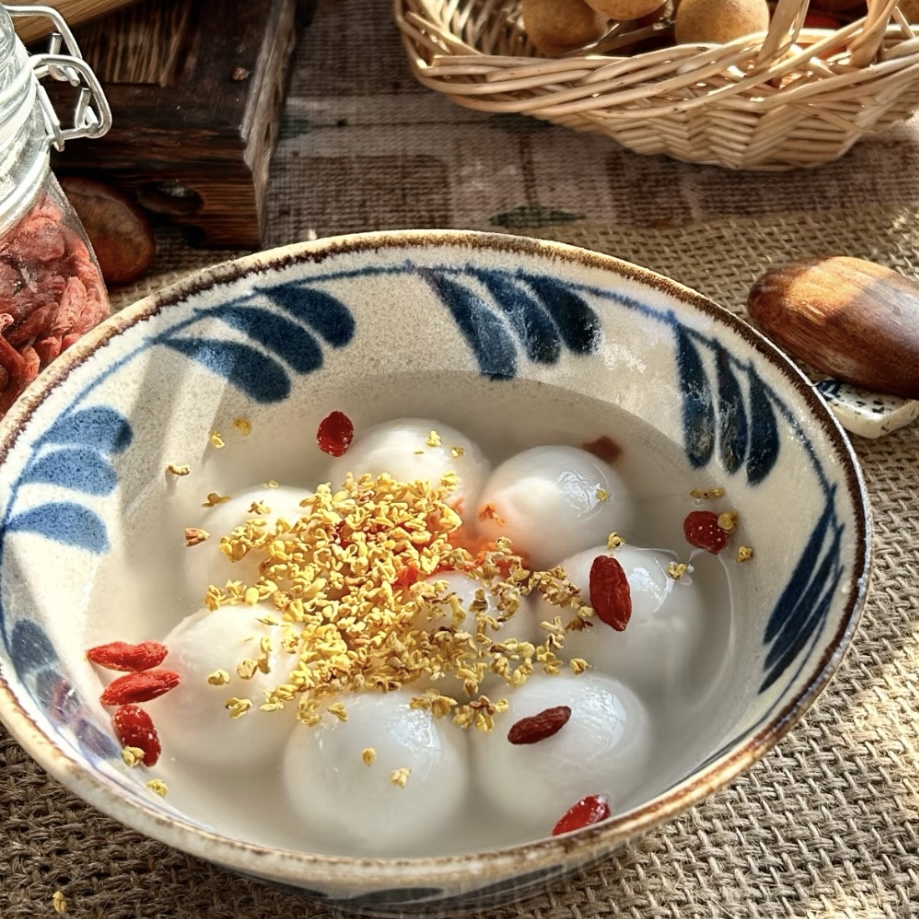
• Ningbo Tangyuan (Glutinous Rice Balls) – Smooth, white dumplings filled with sweet black sesame and lard paste. Once boiled, they release a molten filling that is rich, fragrant, and satisfyingly sweet.